

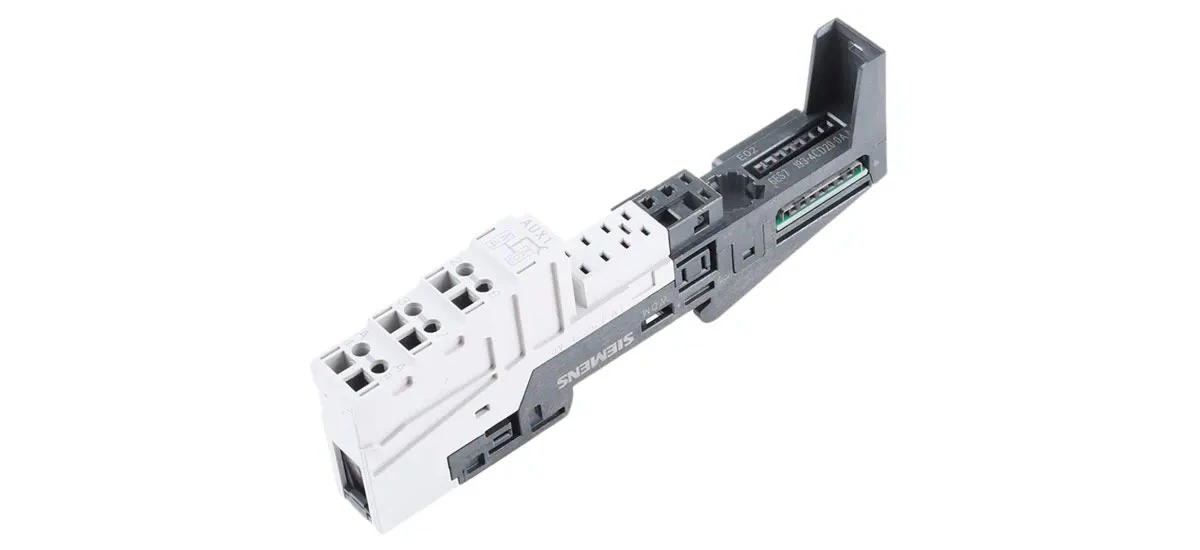
In today's fast-paced industrial world, the Terminal Module plays a key role as a bridge between devices and systems. A Terminal Module is a small, powerful component that helps industrial machines share data, receive commands, and work with other tools. Without it, many factories and facilities would struggle to keep their operations smooth and efficient. As technology advances, the Terminal Module is not just staying relevant-it's evolving quickly. This blog will explore the future trends of Terminal Module technology, focusing on its smart features and how it integrates with Industry 4.0. We'll also look at real-world uses and why the Terminal Module is becoming more important for businesses everywhere.
What Is a Terminal Module, and Why Does It Matter?
Before diving into trends, it's important to understand what a Terminal Module is and why it's a critical part of modern industry. A Terminal Module is a hardware component that connects different industrial devices-like sensors, robots, and control panels-to a central system. It translates data between these devices, making sure information flows correctly and quickly. For example, in a small factory, a Terminal Module might connect a temperature sensor to a computer that monitors production. If the temperature gets too high, the Terminal Module sends that data to the computer, which then alerts workers to fix the issue.
The Terminal Module matters because it solves two big problems in industry: compatibility and efficiency. Many industrial devices use different communication protocols (ways of sending data), and the Terminal Module helps them "talk" to each other. It also reduces delays in data transfer, which means businesses can make faster decisions. As industries move toward smarter operations, the Terminal Module is no longer just a "connector"-it's a tool that helps businesses save time, cut costs, and avoid mistakes. Without a reliable Terminal Module, integrating new technologies like smart sensors or IoT tools would be nearly impossible.
Smart Features Shaping the Future of Terminal Modules
The next big step for Terminal Module technology is the rise of "smart" features. These features don't just connect devices-they add intelligence, helping Terminal Modules work better and support more complex tasks. Below are the key smart features that will define the future of Terminal Modules, along with how they help industries.
Built-In Sensors for Real-Time Data Collection
Modern Terminal Modules are now coming with built-in sensors, turning them into all-in-one data hubs. A smart Terminal Module for manufacturing, for example, might have sensors to track temperature, vibration, or energy use. This means the Terminal Module doesn't just pass data between other devices-it collects its own data too. For instance, in a car parts factory, a Terminal Module with vibration sensors can monitor a machine's movement. If the vibration gets too strong (a sign the machine is breaking), the Terminal Module sends an alert immediately. This helps factories fix problems early, before they stop production.
Adding sensors to Terminal Modules also makes operations simpler. Instead of installing separate sensors and connecting them to a Terminal Module, businesses can use one device that does both jobs. This cuts down on setup time and reduces the number of parts needed, saving money in the long run.
Remote Monitoring and Control
Another key smart feature is remote monitoring and control. Today's Terminal Module lets workers check and adjust devices from anywhere, using a phone or computer. This is a game-changer for factories with multiple locations or hard-to-reach machines. For example, a worker in a city office can use a tablet to check a Terminal Module in a rural warehouse. They can see if the module is working, adjust data settings, or even restart a connected machine-without driving to the warehouse.
Remote control also improves safety. In industries like oil and gas, some machines are in dangerous areas (like near chemicals or high heat). Instead of sending workers into these areas, teams can use the Terminal Module to control the machines from a safe distance. This reduces the risk of accidents and keeps workers safe.
Automatic Fault Detection and Self-Repair
Smart Terminal Modules are also getting better at fixing themselves. They can now detect when something is wrong (like a bad data connection) and take steps to fix it automatically. For example, if a Terminal Module loses its connection to the central system, it might switch to a backup wireless signal on its own. This means operations don't stop while workers wait to fix the problem.
Some advanced Terminal Modules even send detailed reports about faults. Instead of just saying "there's an error," the module might explain, "The data cable is loose" or "The battery is low." This helps workers fix issues faster, as they don't have to spend time figuring out what's wrong. Over time, this automatic fault detection saves businesses hours of downtime and hundreds of dollars in repair costs.
Terminal Module Integration with Industry 4.0
Industry 4.0-also called the "Fourth Industrial Revolution"-is all about making factories smarter, more connected, and more automated. It uses technologies like the Internet of Things (IoT), big data, and AI to transform how products are made. The Terminal Module is at the heart of this integration, as it's the tool that connects Industry 4.0 technologies to existing industrial systems. Below are the main ways Terminal Modules are working with Industry 4.0.
Connecting Industrial IoT (IIoT) Devices
The Industrial Internet of Things (IIoT) refers to smart devices (like sensors, cameras, and robots) that are connected to the internet. These devices generate huge amounts of data, which businesses use to improve operations. But for IIoT devices to work together, they need a Terminal Module integration with Industry 4.0 sensors to manage their data.
For example, a smart factory might have 50 IIoT sensors tracking different parts of production-from assembly line speed to material stock. A Terminal Module collects data from all these sensors, sorts it, and sends it to a central AI system. The AI system then uses this data to make changes, like slowing down the assembly line if a sensor detects a faulty part. Without the Terminal Module, the IIoT sensors would be disconnected, and their data would be useless.
Enabling Real-Time Data Sharing Across Systems
Industry 4.0 requires data to flow freely between different systems-like production, inventory, and shipping. The Terminal Module makes this possible by acting as a "translator" between these systems. For instance, in a food processing plant, the Terminal Module might connect the production system (which tracks how many cans of soup are made) to the inventory system (which tracks how many cans are in stock). When production makes 1,000 more cans, the Terminal Module sends that data to the inventory system, which updates automatically.
This real-time data sharing helps businesses avoid mistakes. For example, if the inventory system knows exactly how many cans are in stock, it won't order more than needed. This cuts down on waste and saves money. It also helps with customer service-if a customer asks for a large order, the business can check the inventory in real time (thanks to the Terminal Module) and tell the customer when the order will be ready.
Supporting Automated Workflows
Automation is a big part of Industry 4.0, and the Terminal Module is key to making automated workflows work. An automated workflow is a process where machines do tasks on their own, without human help. For example, in a logistics center, an automated workflow might involve robots moving boxes from a truck to a shelf, then updating the inventory system when the boxes are stored.
The Terminal Module connects the robots to the inventory system and the truck's tracking tool. When the truck arrives, the Terminal Module tells the robots to start unloading. As the robots move the boxes, the Terminal Module sends data to the inventory system, which marks the boxes as "in stock." This entire process happens without a worker touching a button-all because the Terminal Module keeps everything connected.
A great example of this is Amazon's fulfillment centers. These centers use hundreds of Terminal Modules to connect robots, sensors, and computers. The Terminal Modules make sure robots know where to go, sensors track inventory, and computers update order statuses-all in real time. This is why Amazon can ship packages so quickly: the Terminal Module keeps their automated workflows running smoothly.
Key Industry Applications of Advanced Terminal Modules
Advanced Terminal Module technology isn't just for big factories-it's being used in many different industries to solve unique problems. Below are some of the most important applications, showing how Terminal Modules are making a difference.
Manufacturing: Improving Production Efficiency
Manufacturing is the biggest user of Terminal Modules, and for good reason. A wireless Terminal Module for industrial IoT helps manufacturers track every step of production, from raw materials to finished products. For example, in a smartphone factory, a Terminal Module might connect a robot that assembles screens to a sensor that checks for defects. If the sensor finds a cracked screen, the Terminal Module tells the robot to stop assembling that phone, so no time is wasted on faulty products.
Terminal Modules also help manufacturers reduce downtime. In a study by the Manufacturing Technology Insights, factories using smart Terminal Modules had 20% less downtime than those using old modules. This is because the Terminal Modules detect problems early and let workers fix them before production stops.
Logistics: Tracking Goods and Equipment
In logistics (the process of moving goods), Terminal Modules are used to track packages, trucks, and warehouses. A Terminal Module with GPS can be attached to a truck, sending real-time location data to a logistics company's computer. The company can then tell customers exactly where their package is and when it will arrive. Terminal Modules also track warehouse inventory-sensors on shelves connect to a Terminal Module, which updates the inventory system when a box is taken or added.
This tracking helps logistics companies save money. For example, if a truck gets lost, the Terminal Module's GPS lets the company redirect it quickly, avoiding delays. It also reduces theft-if a package goes missing, the Terminal Module's data can show where it was last seen.
Energy: Managing Power Systems
The energy industry (like power plants and solar farms) uses Terminal Modules to manage power generation and distribution. An energy-efficient Terminal Module in smart factories (or power plants) can track how much energy is being produced, how much is being used, and where it's going. For example, a solar farm might have Terminal Modules connected to solar panels. The modules collect data on how much energy each panel is making, then send that data to a central system. If a panel is making less energy than usual, the system alerts workers to check it.
Terminal Modules also help the energy industry be more sustainable. By tracking energy use, power plants can adjust production to avoid wasting energy. For example, if a city uses less electricity at night, the Terminal Module tells the power plant to reduce production, saving fuel and cutting down on pollution.
Future Challenges and Opportunities for Terminal Module Technology
While Terminal Module technology is growing fast, it still faces challenges. But these challenges also bring opportunities to make Terminal Modules better. Below are the main challenges and how the industry is addressing them.
Challenge: Compatibility with Old Systems
Many factories still use old industrial systems that were built decades ago. These systems often don't work well with new smart Terminal Modules, which can slow down integration with Industry 4.0. For example, an old control panel might use a communication protocol that a new Terminal Module doesn't understand. This means businesses have to choose between replacing their old systems (which is expensive) or using outdated Terminal Modules (which don't have smart features).
Opportunity: Developing Universal Terminal Modules
To solve compatibility issues, companies are developing "universal" Terminal Modules that work with both old and new systems. These modules can understand multiple communication protocols, so they can connect to old control panels and new IIoT sensors at the same time. This saves businesses money, as they don't have to replace their old systems. It also makes it easier for small businesses to adopt smart Terminal Modules, as they don't need a complete overhaul of their operations.
Challenge: Cybersecurity Risks
As Terminal Modules become more connected (to the internet and IIoT devices), they face more cybersecurity risks. Hackers could target a Terminal Module to steal data or shut down industrial systems. For example, if a hacker gains access to a Terminal Module in a power plant, they could stop the module from sending data, which might cause a power outage.
Opportunity: Adding Built-In Security Features
To fight cybersecurity risks, manufacturers are adding built-in security features to Terminal Modules. These features include encryption (which scrambles data so hackers can't read it) and password protection for remote access. Some Terminal Modules even have "intrusion detection" systems-they can tell if a hacker is trying to access the module and block them automatically. These security features make Terminal Modules safer and give businesses peace of mind.
Opportunity: Integrating AI for Predictive Maintenance
One of the biggest opportunities for Terminal Modules is integrating artificial intelligence (AI). An Terminal Module data analytics for production optimization can use AI to analyze data and predict problems before they happen. For example, a Terminal Module in a factory might track a machine's vibration over time. The AI would learn what "normal" vibration looks like, and if the vibration starts to change (a sign the machine is wearing out), the AI would alert workers to fix it. This is called "predictive maintenance," and it can save businesses thousands of dollars in repair costs.
AI also helps Terminal Modules work more efficiently. For example, an AI-powered Terminal Module can prioritize data-sending important data (like a machine fault alert) first, and less important data (like daily production stats) later. This ensures that workers get the information they need when they need it.
Conclusion
The Terminal Module is no longer just a simple connector-it's a smart, essential tool that's driving the future of industry. From built-in sensors to Industry 4.0 integration, Terminal Module technology is evolving to meet the needs of modern businesses. It helps manufacturers improve efficiency, logistics companies track goods, and energy companies manage power-all while saving time and money.
As we look ahead, the future of Terminal Modules is bright. Universal modules will solve compatibility issues, built-in security will fight cyber risks, and AI integration will enable predictive maintenance. For businesses, adopting advanced Terminal Modules isn't just an option-it's a way to stay competitive in a world where smart, connected operations are key. Whether you're a small factory owner or a large logistics company, investing in a quality Terminal Module will help you grow, adapt, and succeed in the years to come.


