

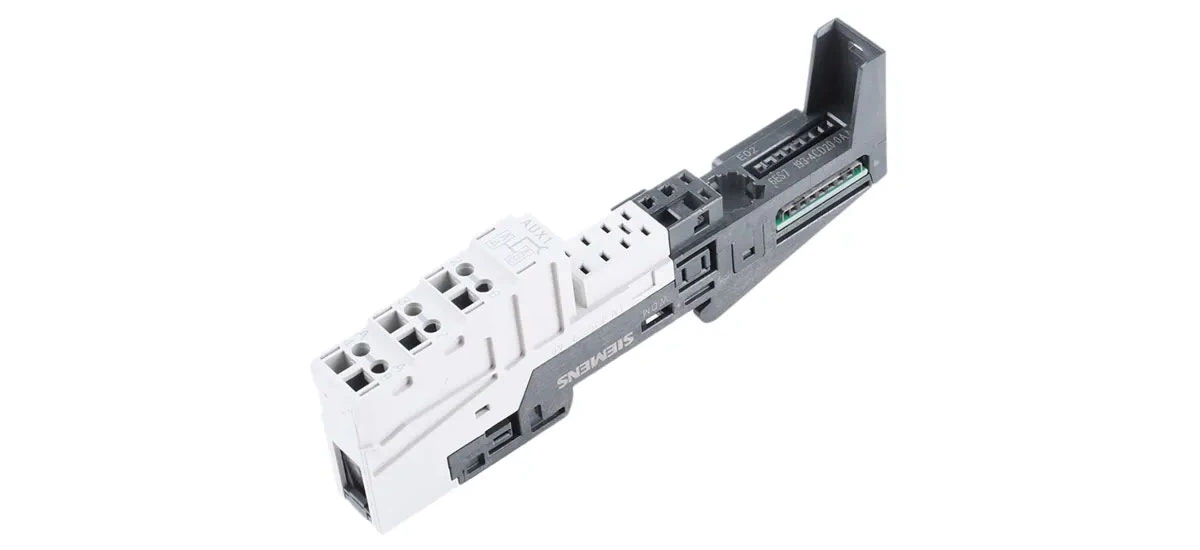
In modern industry-where factories run faster, machines connect more, and safety matters most-terminal modules have become a quiet but essential tool. A terminal module is a small, sturdy device that acts as a central hub for wires. Instead of connecting each machine, sensor, or motor directly to a controller (which creates a mess of wires), a terminal module organizes and secures those wires in one place. This simple job makes big differences for efficiency, safety, and reliability. Whether you're setting up a small workshop or a large smart factory, understanding what a terminal module does can help you work better. Let's break down its key benefits and the critical places it's used in today's industry.
Key Benefits of Terminal Modules in Modern Industry
Terminal modules aren't just "wire organizers"-they solve real problems that slow down factories or put workers at risk. Below are the top benefits that make terminal modules a must-have in industrial settings.
Enhanced Safety for Workers and Equipment
Safety is the first priority in any factory, and terminal modules play a big role here. Traditional wiring (with loose, unorganized wires) can lead to accidental contact with live parts, short circuits, or even fires. A terminal module fixes this by keeping wires secure and separated. It covers exposed metal parts and labels where each wire goes, so workers don't accidentally touch dangerous connections. This is why how terminal modules improve industrial safety is a top question for factory managers. For example, in a food processing plant, water and oil can easily damage loose wires-but a terminal module keeps wires protected, reducing the risk of electric shocks or machine failures.
Simplified Wiring and Faster Installation
Installing machines in a factory used to take hours (or days) of sorting and connecting wires. With a terminal module, this process gets much faster. Instead of connecting each sensor to the main controller one by one, workers can plug all wires into the terminal module first, then link the module to the controller. This cuts down installation time by up to 50% in many cases. For new factories, this means getting production started sooner. For old factories, it means less downtime when upgrading machines. A terminal module also makes wiring easier to understand-since each port is labeled, even new workers can follow the setup without confusion.
Improved Reliability and Less Downtime
Downtime is expensive for factories-every minute a machine is off can cost hundreds of dollars. Loose wires or bad connections are one of the biggest causes of unexpected downtime. Terminal modules use high-quality materials (like corrosion-resistant metal and strong plastic) that hold wires tightly. They also protect against dust, vibration, and temperature changes-common issues in factories. For example, in a car manufacturing plant, robots move constantly, which can shake loose traditional wires. A terminal module keeps those wires secure, so the robot keeps running. This reliability is why more factories are switching to terminal modules: they reduce breakdowns and keep production on track.
Flexibility for Future Expansions
Factories don't stay the same-they add new machines, upgrade sensors, or expand lines over time. Traditional wiring makes this hard: adding a new sensor means running new wires all the way to the controller, which is time-consuming and messy. A terminal module solves this by having extra ports (called "spare slots") for new wires. When you add a machine, you just plug its wires into the terminal module-no need to rewire the whole system. This flexibility is crucial for growing businesses. For example, a small electronics factory might start with 5 machines but add 3 more next year. With a terminal module, they can expand quickly without stopping production.
Long-Term Cost Savings
At first glance, a terminal module might seem like an extra cost-but it saves money over time. Let's break it down:
- Less labor cost: Faster installation means paying workers less for setup.
- Less downtime cost: Fewer breakdowns mean no lost production revenue.
- Less maintenance cost: Terminal modules are easy to check and fix. Instead of hunting for a loose wire in a pile of cables, workers just look at the module's labeled ports.
Even small savings add up. A medium-sized factory might save $10,000 a year by using terminal modules-just from reduced downtime and labor. This is why choosing the right terminal module for manufacturing is important: picking a durable, well-sized module maximizes these savings.
Critical Applications of Terminal Modules in Modern Industry
Terminal modules aren't just useful-they're essential in key industrial areas. Below are the places where terminal modules make the biggest impact, from automation to smart factories.
Industrial Automation Systems
Industrial automation (using machines and robots to do work) is everywhere-from toy factories to airplane plants. These systems have dozens of parts: sensors (to detect objects), motors (to move parts), and controllers (to tell machines what to do). All these parts need to connect, and a terminal module is the link. For example, a robot that assembles phones needs 10+ sensors to check if parts are in place. A terminal module for industrial automation systems connects all those sensors to the robot's controller. This ensures signals travel quickly and correctly-so the robot doesn't miss a part or make a mistake. Without a terminal module, the robot's wiring would be a tangled mess, leading to constant errors.
Smart Factory Setups
Smart factories use IoT (Internet of Things) devices to collect data-like temperature sensors, energy monitors, or inventory trackers. These devices need to send data to a central system (like a computer or cloud platform) to work. A terminal module acts as a "data hub" for these IoT devices. It connects all the sensors' wires, filters out bad signals, and sends clean data to the central system. For example, a smart bakery uses IoT sensors to check oven temperatures and dough levels. A terminal module in smart factory setups connects these sensors, so the bakery's computer always knows if an oven is too hot or if dough is running low. This helps the bakery make better products and waste less food.
Manufacturing Production Lines
Manufacturing lines (like those making cars, TVs, or bottles) are fast-paced and need to run nonstop. Each line has multiple machines working together-for example, a bottle line has a machine that makes bottles, a machine that fills them, and a machine that caps them. All these machines need to communicate to stay in sync. A terminal module connects their wires, so when one machine finishes a task, it sends a signal to the next one instantly. For example, when the bottle-filling machine is done, it tells the capping machine to start-all through the terminal module. This keeps the line moving smoothly. Also, when a machine needs to be replaced (like a broken filler), the terminal module lets workers swap it out quickly-no need to rewire the whole line. This is why choosing the right terminal module for manufacturing is key: a module that fits the line's speed and size keeps production efficient.
Energy and Power Distribution
Factories use a lot of electricity-for machines, lights, and HVAC systems. Managing this power safely is critical. Terminal modules are used in power distribution boxes to organize the wires that send electricity to different parts of the factory. For example, a terminal module might connect the main power supply to the factory's north wing (where machines are) and the south wing (where offices are). This separation makes it easy to turn off power to one wing without shutting down the whole factory (like during maintenance). Terminal modules also protect against power surges-they have built-in parts that stop too much electricity from damaging machines. This keeps both the factory's power system and expensive equipment safe.
Transportation and Logistics Systems
Transportation and logistics (like warehouses, shipping yards, or airports) rely on machines to move goods-conveyor belts, forklifts, and sorting systems. These machines need to connect to control systems to work. A terminal module organizes their wires, even in harsh environments. For example, a warehouse's conveyor belt runs 24/7 and is exposed to dust and boxes bumping into it. A terminal module keeps the conveyor's wires secure, so it doesn't stop mid-sort. In shipping yards, terminal modules connect the wires of crane controllers-so cranes can lift containers safely without signal delays. Even in cold environments (like frozen food warehouses), terminal modules work well-they're made to handle low temperatures without breaking. Plus, maintenance tips for industrial terminal modules (like wiping dust off ports monthly) help these modules last longer in busy logistics sites.
Why Terminal Modules Are Here to Stay in Modern Industry
As factories get smarter and more connected, the need for organized, reliable wiring will only grow. Terminal modules solve the core problems of modern industry: they make work safer, faster, and more flexible. Whether you're using a terminal module for industrial automation systems or a terminal module in smart factory setups, it's a tool that adapts to how you work. It's not just about wires-it's about keeping factories running smoothly, workers safe, and businesses profitable.
For anyone in industry, understanding terminal modules isn't an option-it's a necessity. From small workshops to large plants, a good terminal module is the backbone of a strong, efficient operation. And as technology advances, terminal modules will only get better-with more ports, smarter features, and even easier maintenance. The next time you walk through a factory, look for the small, labeled boxes organizing the wires-those are terminal modules, working quietly to keep everything moving.


