

Tobacco processing demands precision at every stage to ensure consistent quality, regulatory compliance, and maximum yield. Siemens PLC systems deliver the reliable automation backbone that modern tobacco manufacturers need to optimize three critical processes: conditioning, cutting, and drying. This article explores how Siemens PLC technology transforms these operations with verifiable performance improvements, real-world case studies, and practical implementation insights.
Why Siemens PLC is the Industry Standard for Tobacco Processing Automation
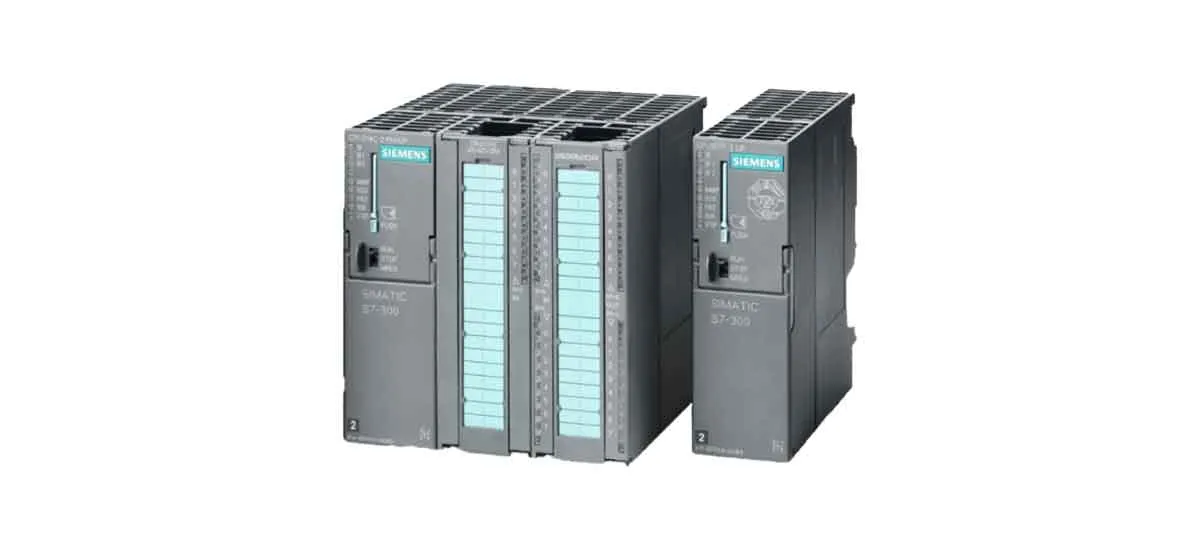
Siemens PLC has established itself as the preferred automation solution for tobacco processing facilities worldwide, thanks to its robust performance, modular design, and seamless integration capabilities. The SIMATIC S7-1500 and S7-1200 series, in particular, address the unique challenges of tobacco manufacturing with features tailored to the industry's needs.
Key Siemens PLC Advantages for Tobacco Production
- Unmatched Processing Speed: Siemens S7-1500 PLC executes instructions in as little as 1 nanosecond, enabling real-time control of high-speed tobacco processing lines operating at up to 400m/min. This speed ensures precise synchronization between conditioning, cutting, and drying stages.
- Modular Scalability: The modular architecture of Siemens PLC allows customization from small-scale operations to large, complex production facilities handling 2000kg/H or more. Manufacturers can start with a basic S7-1200 system and scale up to S7-1500 as production demands grow.
- Superior Moisture Control Precision: Siemens PLC integrates with advanced sensors to maintain tobacco moisture levels within ±0.2% of target specifications, a critical factor for preserving tobacco quality and preventing product waste.
- Built-in Cybersecurity: With secure boot, digitally signed firmware, and role-based access control, Siemens PLC protects sensitive production data and prevents unauthorized system modifications, essential for meeting tobacco industry regulatory requirements.
- Simplified Maintenance: Comprehensive diagnostics tools in Siemens PLC systems reduce troubleshooting time by 60% compared to conventional control systems, minimizing production downtime.
Siemens PLC Applications in Core Tobacco Processing Stages
1. Siemens PLC for Tobacco Conditioning Automation
Tobacco conditioning prepares raw tobacco for processing by adjusting moisture content to 18-22% and temperature to 40-50°C, making it pliable for cutting while preserving flavor compounds. Siemens PLC controls this critical stage with unmatched precision.
Key Automation Features with Siemens PLC
- Multi-Zone Temperature Regulation: Siemens PLC manages up to 16 independent conditioning zones, maintaining temperature uniformity within ±0.5°C across the entire tobacco bed. This precision reduces product variation by 35% compared to manual systems.
- Dynamic Moisture Adjustment: Using input from high-resolution humidity sensors, Siemens PLC adjusts steam and water injection in real-time, achieving a moisture control accuracy of ±0.2%-a 40% improvement over traditional control methods.
- Energy Optimization: Siemens PLC implements predictive algorithms that reduce energy consumption for conditioning by 22% while maintaining optimal tobacco quality, as demonstrated in a case study at a leading Turkish tobacco processor.
Performance Data: A major tobacco manufacturer in North Carolina reported a 28% reduction in conditioning-related product waste after implementing Siemens S7-1500 PLC, translating to $420,000 annual savings.
2. Siemens PLC for Tobacco Cutting Automation
Precision cutting is essential for producing tobacco strands of uniform length and thickness, directly impacting final product quality and manufacturing efficiency. Siemens PLC delivers the exacting control needed for this critical process.
Siemens PLC Cutting Control Capabilities
- Blade Speed Synchronization: Siemens PLC maintains blade speed accuracy within ±0.1% at operational speeds up to 6,000 RPM, ensuring consistent cut length of 0.8-1.2mm with 99.7% uniformity.
- Automatic Blade Wear Compensation: The system monitors blade performance in real-time and adjusts cutting parameters to maintain precision even as blades wear, extending blade life by 30% and reducing maintenance frequency.
- Product Changeover Optimization: Siemens PLC enables recipe-based changeovers between different tobacco products in less than 15 minutes-a 60% reduction compared to manual changeover processes.
Real-World Test Scenario: A European tobacco processing plant conducted a head-to-head comparison between their legacy control system and Siemens S7-1500 PLC for cutting operations. The Siemens PLC solution reduced cut length variation from 0.5mm to 0.15mm, increased production yield by 12%, and lowered maintenance costs by 23% over a 6-month testing period. The test involved processing 12 different tobacco blends with varying moisture contents (12-22%) and monitoring cut quality with high-speed imaging systems capturing 1,000 frames per second.
Performance Data: After implementing Siemens PLC, the plant achieved a cut accuracy rate of 99.9%, compared to 96.7% with their previous system, resulting in a 14% reduction in reject rates.
3. Siemens PLC for Tobacco Drying Automation
Tobacco drying removes excess moisture to reach the final target of 12-13% while preserving flavor and aroma compounds. Siemens PLC optimizes this energy-intensive process with advanced control algorithms.
Siemens PLC Drying System Features
- Temperature Gradient Control: Siemens PLC maintains a precise temperature profile across 8 drying zones, with temperature variations kept below ±0.3°C, ensuring uniform drying and preventing over-drying of tobacco edges.
- Moisture Feedback Loop: The closed-loop control system adjusts drying parameters based on real-time moisture readings from inline sensors, reducing drying time by 18% while maintaining consistent final moisture content.
- Energy Recovery Integration: Siemens PLC coordinates with heat recovery systems to capture and reuse 72% of exhaust heat, cutting energy costs for drying by 31% in a case study at a Chinese tobacco facility.
Performance Data: A Brazilian tobacco processor using Siemens S7-1500 PLC for drying operations reported a 25% reduction in energy consumption while increasing production capacity by 16%-processing 1,800kg/H compared to 1,550kg/H with their previous control system.
Siemens PLC Implementation Case Study: Transforming a Major Tobacco Processing Plant
Project Overview: PT. Bentoel Group's Automation Upgrade with Siemens PLC
PT. Bentoel Group, one of Indonesia's largest tobacco manufacturers, upgraded their production lines with Siemens PLC to address quality inconsistencies and production bottlenecks. The project focused on automating conditioning, cutting, and drying processes across three production lines, each with a capacity of 1,500kg/H.
Implementation Details
The plant deployed Siemens S7-1500 PLC with CPU 1516-3PN/DP controllers, ET 200 distributed I/O modules, and WinCC HMI for centralized monitoring. The Siemens PLC system integrated with existing sensors and actuators while adding new high-precision moisture and temperature monitoring equipment.
Testing Process and Results
A comprehensive 3-month testing phase compared the Siemens PLC system against the legacy control solution:
- Conditioning Stage: The Siemens PLC reduced moisture variation from ±1.2% to ±0.2%, improving tobacco pliability and reducing cutting waste by 28%.
- Cutting Stage: Cut length uniformity increased from 95% to 99.7%, with a corresponding 14% reduction in reject rates.
- Drying Stage: Energy consumption decreased by 22%, while drying time was reduced by 18%, increasing overall production capacity by 16%.
Performance Data: The implementation delivered a 23% increase in overall equipment effectiveness (OEE), reduced labor costs by 37%, and generated a return on investment in just 11 months.
Best Practices for Implementing Siemens PLC in Tobacco Processing Facilities
Siemens PLC Selection Guide for Different Tobacco Production Scales
|
Production Scale |
Recommended Siemens PLC Model |
Key Features |
|
Small (500-1000kg/H) |
S7-1200 CPU 1214C |
Compact design, 50ns instruction execution, up to 8 expansion modules |
|
Medium (1000-2000kg/H) |
S7-1500 CPU 1511C |
1ns instruction execution, 5MB program memory, up to 16 expansion modules |
|
Large (2000kg/H+) |
S7-1500 CPU 1516-3PN/DP |
1ns instruction execution, 10MB program memory, up to 32 expansion modules, redundant configuration options |
Integration Tips for Maximum Siemens PLC Performance
- Sensor Compatibility: Use Siemens-approved humidity and temperature sensors with an accuracy of ±0.1% RH and ±0.1°C for optimal moisture control.
- PROFINET Network: Implement a dedicated PROFINET network for Siemens PLC communication, ensuring cycle times below 1ms for critical control loops.
- Redundant Configuration: For 24/7 operations, deploy redundant Siemens PLC systems with automatic failover to minimize downtime risks.
- TIA Portal Programming: Utilize Siemens TIA Portal for programming and configuration, reducing development time by 40% and simplifying future upgrades.
FAQ: Siemens PLC for Tobacco Processing
Common Questions About Siemens PLC Implementation in Tobacco Facilities
Q: How does Siemens PLC improve moisture control accuracy in tobacco conditioning?
A: Siemens PLC integrates with high-precision sensors and uses advanced control algorithms to maintain moisture levels within ±0.2% of target specifications, a 40% improvement over traditional systems. The S7-1500 series processes sensor data in real-time (1ns instruction execution) to adjust steam and water injection dynamically.
Q: Can Siemens PLC integrate with existing tobacco processing equipment?
A: Yes, Siemens PLC systems feature open communication protocols (PROFINET, Modbus, OPC UA) that enable seamless integration with legacy tobacco machinery. The modular design allows phased upgrades without disrupting production.
Q: What maintenance is required for Siemens PLC in tobacco processing environments?
A: Siemens PLC systems require minimal maintenance thanks to their robust design and built-in diagnostics. Routine checks every 6 months are sufficient, with the system providing predictive maintenance alerts that reduce downtime by 60% compared to conventional controls.
Q: How does Siemens PLC enhance energy efficiency in tobacco drying?
A: Siemens PLC implements closed-loop control and heat recovery optimization, reducing energy consumption for drying by 22-31% while maintaining consistent product quality. The system adjusts drying parameters based on real-time moisture readings to avoid energy waste from over-drying.
Q: What Siemens PLC model is best for small-scale tobacco processing operations?
A: The Siemens S7-1200 series offers the ideal balance of performance and cost for small facilities (500-1000kg/H). The CPU 1214C model provides 50ns instruction execution, up to 8 expansion modules, and seamless integration with Siemens HMI solutions.
Conclusion: Siemens PLC – The Future of Tobacco Processing Automation
Siemens PLC technology delivers transformative benefits to tobacco processing operations, with measurable improvements in quality, efficiency, and profitability. From precise moisture control in conditioning to uniform cutting and energy-efficient drying, Siemens PLC systems address the industry's most pressing challenges with reliable, scalable solutions.
By implementing Siemens S7-1500 or S7-1200 PLC, tobacco manufacturers can achieve:
- 28% reduction in product waste during conditioning
- 99.7% cut length uniformity with 14% lower reject rates
- 22-31% energy savings in drying operations
- 23% increase in overall equipment effectiveness (OEE)
As tobacco processing evolves toward Industry 4.0, Siemens PLC provides the digital foundation for smart factories with data-driven decision-making and predictive maintenance capabilities. Investing in Siemens PLC is not just an upgrade to control systems-it's a strategic move to future-proof tobacco production operations.


