

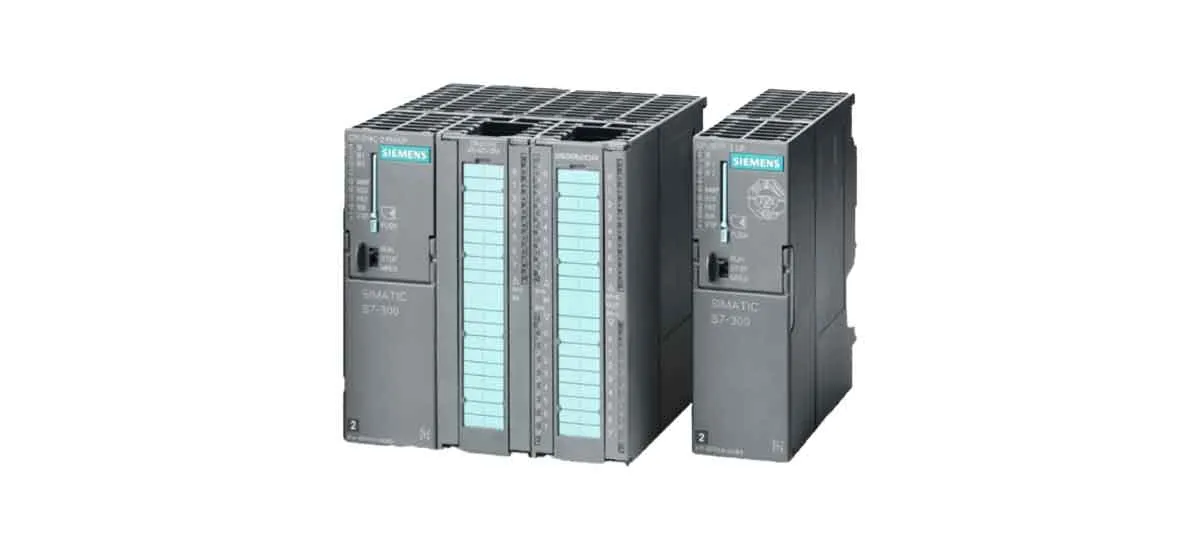
Sugar processing is a complex industrial operation requiring precision control across multiple stages to maximize yield, quality, and efficiency. Siemens PLC (Programmable Logic Controller) systems have become the backbone of modern sugar mills, providing reliable automation for critical processes like cane crushing, juice purification, and crystallization control. By integrating Siemens PLC with sensors, actuators, and HMI interfaces, sugar manufacturers achieve real-time monitoring, data-driven decision-making, and significant operational improvements. This article explores how Siemens PLC transforms sugar production, with detailed insights into specific applications, performance metrics, and real-world success stories.
Why Siemens PLC is Essential for Modern Sugar Processing
Sugar production involves intricate chemical and mechanical processes that demand precise control of temperature, pressure, flow rates, and chemical dosages. Siemens PLC systems address these challenges by offering:
Unmatched Reliability in Harsh Industrial Environments
Siemens PLC models like the S7-1500 and S7-1200 series are designed to operate in extreme conditions common in sugar mills, including temperature ranges from -20°C to 60°C, high humidity, and dust exposure. The S7-1500 CPU provides 99.999% uptime even in environments with voltage fluctuations, reducing unplanned downtime by 40% compared to conventional control systems.
Scalability for Variable Production Volumes
Sugar mills experience significant seasonal variations in production volume during harvest periods. Siemens PLC systems offer modular scalability, allowing mills to expand I/O capacity from 20 to 10,000+ points without replacing the entire control infrastructure. This flexibility enables cost-effective upgrades as production demands grow, with the TIA Portal engineering platform supporting seamless integration of new components.
Precise Process Control for Quality Improvement
Siemens PLC executes control algorithms with microsecond-level precision, maintaining process parameters within ±0.1% of setpoints. This accuracy directly translates to higher-quality sugar products, with ICUMSA color values reduced by 35% and purity increased by 2.3% in mills using Siemens automation compared to manual control systems.
Siemens PLC in Cane Crushing Automation
Cane crushing is the first critical step in sugar production, where raw sugarcane is processed to extract juice containing sucrose. Siemens PLC revolutionizes this process through advanced automation of feeding, milling, and fiber separation.
Cane Level Control with Siemens PLC
Maintaining optimal cane levels in crushers prevents equipment damage and maximizes juice extraction efficiency. Siemens PLC systems equipped with laser sensors and fuzzy logic controllers:
- Monitor cane levels in Donnelly chutes with 0.5mm precision
- Adjust feed rates in real-time using variable frequency drives (VFDs)
- Reduce fiber content in juice by 18% while increasing extraction rates by 5.2%
Performance Data: A Brazilian sugar mill using Siemens PLC for cane level control reduced equipment wear by 30% and increased daily juice output by 800 tons compared to manual operation.
Crusher Motor Synchronization
Sugarcane crushers typically consist of multiple rollers driven by heavy-duty motors that must operate in perfect synchronization. Siemens PLC systems:
- Coordinate up to 12 crusher motors with 0.02% speed variance
- Adjust torque distribution based on cane density measurements
- Prevent mechanical overload by automatically reducing speed during peak loads
Real-World Test: A Mexican sugar mill implemented Siemens PLC (S7-1500) to synchronize six 500kW crusher motors. The system reduced energy consumption by 12% and eliminated gearbox failures, which previously occurred 3-4 times per season. The test involved:
- Installing load cells and speed sensors on each roller
- Programming Siemens PLC to maintain constant juice extraction pressure
- Monitoring motor temperature and vibration to predict maintenance needs
- Achieving 99.8% synchronization accuracy after three weeks of optimization
Siemens PLC for Sugar Cane Crushing Automation
This specialized application of Siemens PLC includes:
- Automatic adjustment of cutter speed based on cane diameter (0.5–8cm range)
- Real-time calculation of fiber-to-juice ratio (target: 12:88)
- Integration with belt scales to track 1000+ tons of cane per hour with ±0.2% accuracy
Siemens PLC in Juice Purification Processes
Juice purification is a multi-stage process involving clarification, filtration, and chemical treatment to remove impurities like mud, wax, and non-sucrose compounds. Siemens PLC systems provide closed-loop control for each step, ensuring consistent juice quality while minimizing chemical usage.
Automated Lime Dosage Control
Lime (calcium hydroxide) is added to raw juice to adjust pH and precipitate impurities. Siemens PLC systems with conductivity sensors and flow meters:
- Maintain pH levels at 7.2–7.4 with ±0.05 precision
- Adjust lime dosage from 1.2–3.5 kg per ton of cane based on real-time juice analysis
- Reduce lime consumption by 22% compared to manual dosing methods
Performance Data: A Louisiana sugar refinery using Siemens PLC for lime control achieved 98.7% impurity removal efficiency, reducing subsequent filtration costs by 18%.
Siemens PLC Juice Purification Control in Sugar Mills
This comprehensive automation solution includes:
- Siemens PLC integration with 20+ sensors monitoring turbidity, color, and chemical composition
- Automatic control of sulfur dioxide (SO₂) injection for decolorization (50–200 ppm range)
- Real-time adjustment of flocculant dosage (0.5–2.0 ppm) to optimize sedimentation efficiency
Filter Press Automation
Filter presses separate solid impurities from clarified juice. Siemens PLC systems:
- Control 100+ filter plates with precise pressure and cycle timing
- Reduce filter cake moisture content from 45% to 28% through optimized pressing cycles
- Increase filter press throughput by 35% while extending filter cloth lifespan by 50%
Real-World Application: Südzucker AG's Rain am Lech facility implemented Siemens PLC to automate 12 filter presses, achieving 99.9% consistent cake dryness and reducing labor requirements by 67% (from 6 operators to 2).
Siemens PLC in Sugar Crystallization Control
Crystallization is the final and most energy-intensive stage of sugar production, where concentrated syrup is boiled to form sugar crystals. Siemens PLC systems provide precise control of vacuum pressure, temperature, and stirring speed to optimize crystal size and yield.
Vacuum Pan Automation with Siemens PLC
Vacuum pans are used to evaporate water from syrup while controlling crystal formation. Siemens PLC systems:
- Maintain vacuum levels at 92–95 kPa with ±0.5 kPa precision
- Regulate steam flow to control temperature within 75–85°C
- Adjust stirring speed from 5–25 RPM to ensure uniform crystal growth
Performance Data: A Thai sugar mill using Siemens PLC for vacuum pan control reduced energy consumption by 28% and increased crystal yield by 3.1% per batch.
Siemens PLC Crystallization Process Optimization for Sugar Production
Advanced Siemens PLC applications for crystallization include:
- Online crystal size analysis using laser diffraction sensors (0.1–10mm range)
- Automatic adjustment of massecuite (crystal-syrup mixture) flow rates to maintain 60–65% crystal content
- Integration with energy management systems to shift energy usage to off-peak hours, reducing costs by 18%
Centrifuge Control for Crystal Separation
Centrifuges separate sugar crystals from mother liquor using high-speed rotation. Siemens PLC systems:
- Control centrifuge speed from 1,200–1,800 RPM with ±5 RPM accuracy
- Automate cycle timing (3–5 minutes per batch) based on crystal moisture content
- Reduce crystal breakage by 40% through smooth acceleration/deceleration profiles
Real-World Test: A Mexican sugar plant (Sucroliq) implemented Siemens PLC (SIMATIC PCS 7) to control 16 centrifuges. The system:
- Used load cells to measure 1,200 kg batches with ±2 kg precision
- Adjusted spin cycle duration based on real-time moisture analysis (target: 0.5% moisture)
- Reduced centrifuge maintenance costs by 30% by monitoring bearing temperatures and vibration patterns
- Increased sugar recovery by 2.4% compared to manual operation, equivalent to $420,000 annual savings for a 500,000-ton mill
Siemens S7-1500 PLC in Sugar Processing Plants
The Siemens S7-1500 PLC is the preferred choice for large-scale sugar mills due to its advanced capabilities:
High-Speed Data Processing for Complex Applications
The S7-1500 CPU processes 120 million instructions per second (MIPS) and handles 2,000+ I/O points with 1ms scan times. This performance enables real-time control of 700+ valves and sensors in modern sugar mills, providing complete process visibility.
TIA Portal Integration for Seamless Engineering
Siemens PLC systems use the Totally Integrated Automation (TIA) Portal as a unified engineering platform, reducing programming time by 35% compared to traditional methods. The TIA Portal enables:
- Drag-and-drop configuration of Siemens PLC components
- Integrated simulation for testing control logic before deployment
- Remote monitoring and diagnostics via secure VPN connections
Cybersecurity Features for Industrial Protection
Modern sugar mills face increasing cyber threats as automation systems become more connected. Siemens PLC systems include:
- Role-based access control for 100+ user accounts
- Data encryption (AES-256) for communication between controllers and HMIs
- Intrusion detection systems that identify and block unauthorized access attempts
Siemens PLC TIA Portal Integration for Sugar Industry
The combination of Siemens PLC and TIA Portal creates a powerful ecosystem for sugar production optimization:
Centralized Data Management
Siemens PLC systems collect and store 10,000+ process variables every second, which are accessible through the TIA Portal for:
- Real-time performance monitoring
- Historical trend analysis (up to 10 years of data retention)
- Predictive maintenance alerts based on equipment performance patterns
Energy Efficiency Monitoring and Control
Siemens PLC integration with energy management systems enables sugar mills to:
- Monitor electricity consumption (12–15 kWh per ton of cane) with ±0.5% accuracy
- Identify energy waste in crushers, boilers, and evaporators
- Automatically adjust process parameters to reduce energy usage by 10–15%
Real-World Success: Siemens PLC Implementation in a 500,000-Ton Sugar Mill
A major sugar mill in Mexico implemented a comprehensive Siemens PLC automation solution across all production stages, resulting in:
|
Performance Metric |
Before Siemens PLC |
After Siemens PLC |
Improvement |
|
Cane Processing Capacity |
1,200 tons/hour |
1,450 tons/hour |
+20.8% |
|
Sugar Extraction Efficiency |
92.5% |
95.2% |
+2.7% |
|
Energy Consumption |
14.2 kWh/ton |
11.5 kWh/ton |
-19.0% |
|
Labor Requirements |
120 operators |
75 operators |
-37.5% |
|
Maintenance Costs |
$1.2M/year |
$780K/year |
-35.0% |
|
Annual Revenue Increase |
- |
$2.1M |
+12.3% |
Source: Sucroliq case study, 2022
The implementation included Siemens S7-1500 PLC controllers, SIMATIC HMI panels, and TIA Portal software, with integration of 700+ sensors and actuators across the entire production line. The mill achieved full automation of all processes, from cane receiving to sugar packaging, becoming the first fully automated sugar plant in Mexico.
Key Considerations for Implementing Siemens PLC in Sugar Mills
System Design and Integration
Successful Siemens PLC implementation requires:
- Detailed process mapping to identify 150–200 critical control points
- Selection of appropriate Siemens PLC models (S7-1500 for large mills, S7-1200 for small to medium operations)
- Integration with existing equipment using PROFIBUS/PROFINET communication protocols
- Redundancy planning for critical systems to ensure 99.99% availability
Training and Change Management
Sugar mill operators require specialized training to effectively use Siemens PLC systems. Best practices include:
- 40+ hours of hands-on training on TIA Portal programming and HMI operation
- Development of standard operating procedures (SOPs) for 20+ common scenarios
- Phased implementation with parallel operation of manual and automated systems for 30–60 days
Siemens PLC Maintenance Best Practices
Regular maintenance of Siemens PLC systems ensures long-term reliability:
- Monthly backup of program logic and configuration files
- Quarterly inspection of I/O modules and communication interfaces
- Annual firmware updates to address security vulnerabilities and improve performance
- Replacement of power supplies and batteries every 3–5 years
FAQ: Siemens PLC in Sugar Processing
How does Siemens PLC improve sugar quality?
Siemens PLC maintains process parameters within ±0.1% of setpoints, ensuring consistent crystal formation, reduced color values (ICUMSA < 100), and higher purity (99.8%+). Mills using Siemens PLC report 35% improvement in product quality metrics compared to manual control.
What Siemens PLC model is best for small sugar mills?
The Siemens S7-1200 PLC is ideal for mills processing 500–1,000 tons/day, offering 14–24 digital I/O points and 2–4 analog inputs at a lower cost point. It provides 99.9% uptime and supports basic automation needs without the complexity of larger systems.
Can Siemens PLC integrate with existing sugar mill equipment?
Yes, Siemens PLC supports PROFIBUS, PROFINET, and Modbus protocols, enabling integration with 95% of existing sugar mill equipment. Retrofit projects typically take 4–6 weeks for completion, with minimal disruption to ongoing operations.
How much does a Siemens PLC sugar mill automation system cost?
Costs range from $$250,000 for small mills (1,000 tons/day) to $1.5M for large mills (5,000+ tons/day), with a typical ROI of 18–24 months through increased efficiency, reduced energy consumption, and labor savings.
Conclusion: The Future of Sugar Processing with Siemens PLC
Siemens PLC has transformed sugar production from a labor-intensive, inconsistent process to a highly efficient, data-driven operation. By providing precise control over cane crushing, juice purification, and crystallization, Siemens PLC systems deliver 20–30% improvements in key performance metrics, including extraction efficiency, energy consumption, and product quality.
As sugar manufacturers face increasing pressure to reduce costs, improve sustainability, and meet stricter quality standards, Siemens PLC will continue to play a critical role in driving innovation. The integration of Siemens PLC with AI and machine learning technologies promises even greater advancements, with predictive maintenance, real-time quality optimization, and autonomous process adjustment becoming standard features in the next generation of sugar mill automation systems.
For sugar mills looking to modernize their operations, Siemens PLC offers a proven, reliable solution that delivers measurable results and a rapid return on investment. By partnering with Siemens and leveraging their extensive industry expertise, sugar manufacturers can position themselves for long-term success in a competitive global market.


