

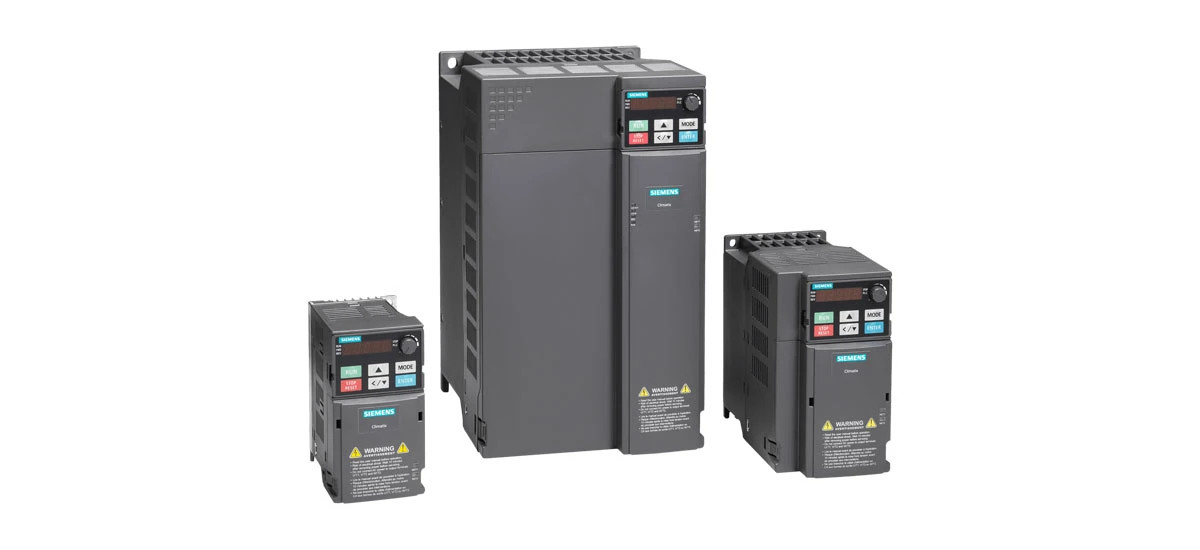
If you work with industrial equipment, motors, or machinery that needs precise speed control, you've probably heard of Siemens VFDs. A Siemens VFD (Variable Frequency Drive) is an electronic device that controls the speed and torque of an AC motor by adjusting the frequency and voltage of the electrical power it receives. Think of it as a "smart controller" for motors-one that saves energy, extends equipment life, and makes operations smoother. Whether you're a beginner looking to learn the basics or someone who needs a detailed guide for practical use, this blog covers everything you need to know about Siemens VFDs, including how to choose, install, and optimize them for your needs.
What Is a Siemens VFD and Why Is It Important?
First, let's make sure we understand what a Siemens VFD is. VFD stands for Variable Frequency Drive, and Siemens is a trusted global brand that makes high-quality VFDs for industrial, commercial, and even some home uses. A Siemens VFD works like a sophisticated dimmer switch, but instead of controlling a light, it controls the speed of an electric motor by changing the frequency of the electricity going to the motor. This might sound simple, but it has huge benefits for anyone using motors.
How Does a Siemens VFD Work?
Most motors run at a fixed speed when connected directly to power, but many machines don't need to run at full speed all the time. A Siemens VFD solves this problem by adjusting the electrical frequency: lower frequency means slower motor speed, and higher frequency means faster speed. This control lets you match the motor's speed to exactly what your machine needs, which saves energy and reduces wear on the motor. Siemens VFDs are designed to be easy to use, even for beginners, with simple controls and clear instructions.
Key Benefits of Using a Siemens VFD
Siemens VFDs offer many advantages that make them a top choice for businesses and hobbyists alike. First, they save energy-sometimes up to 60% for pumps, fans, and compressors, which are some of the biggest energy users in industrial settings. Second, they make motors last longer by reducing sudden starts and stops, which puts less stress on the motor's parts. Third, Siemens VFDs are reliable: they can work in harsh environments (from -10°C to 60°C) and handle voltage changes without breaking down. Finally, they're easy to install and program, even if you don't have much technical experience. These benefits make Siemens VFDs a smart investment for anyone using electric motors.
Siemens VFD Selection Guide (For Beginners)
Choosing the right Siemens VFD is crucial-if you pick one that's too small or not suited for your machine, it won't work well and might break. This Siemens VFD selection guide for beginners will walk you through the key steps to find the perfect match for your needs. Remember, the goal is to choose a Siemens VFD that fits your motor's specifications and your application.
Key Factors to Consider When Selecting a Siemens VFD
There are three main things to check when selecting a Siemens VFD: your motor's specifications, your load type, and your environment. First, look at your motor's nameplate to find its voltage, power (in kW or HP), and full-load current (FLA). Your Siemens VFD must match these numbers-for example, if your motor is 5 kW, choose a Siemens VFD with a power rating of at least 5 kW. Second, think about your load type: is your machine a pump, fan, conveyor, or something else? Pumps and fans need Siemens VFDs with energy-saving features, while conveyors need ones that handle constant torque. Third, consider your environment: if your Siemens VFD will be in a dusty or wet area, choose a model with a protective cover to keep it safe.
Best Siemens VFD Models for Different Industrial Uses
Siemens makes a range of VFD models to fit different needs, and the best one depends on your application. Here are some top choices for common uses (these are the best Siemens VFD models for industrial use):
- Siemens SINAMICS V20: This is a compact, easy-to-use model perfect for basic applications like small pumps, fans, and conveyors. It has a power range of 0.12 kW to 30 kW, is simple to install, and includes energy-saving features like ECO mode and hibernation when the machine is idle. It even has an optional smart access module that lets you control it wirelessly with a smartphone or laptop.
- Siemens SINAMICS G120XA: This model is designed for pumps, fans, and compressors. It's highly energy-efficient, can handle harsh environments, and works well with large motors. Many data centers and factories use this Siemens VFD to save on electricity costs.
- Siemens SINAMICS G-Series: These are general-purpose VFDs for more complex industrial applications, like continuous process control in manufacturing. They offer precise speed control and can handle high-power motors.
How to Install a Siemens VFD Correctly
Installing a Siemens VFD isn't complicated, but it's important to do it right to avoid damage or safety hazards. Learning how to install a Siemens VFD correctly will ensure it works well and lasts a long time. Follow these steps and safety tips for a smooth installation.
Pre-Installation Preparation for Siemens VFD
Before you start installing your Siemens VFD, do these three things: First, check the package to make sure all parts are included (the VFD, mounting brackets, screws, and instructions). Second, choose the right location: your Siemens VFD needs to be in a cool, dry area with good ventilation-avoid direct sunlight and places where the temperature gets above 60°C. If you're installing multiple Siemens VFDs, mount them side by side to reduce heat buildup. Third, turn off all power to the motor and electrical system to stay safe.
Step-by-Step Siemens VFD Installation Process
Follow these simple steps to install your Siemens VFD:
- Mount the Siemens VFD: Use the included brackets to mount the VFD on a flat, sturdy surface (wall or control panel). Make sure it's vertical to allow proper cooling.
- Connect the power supply: Connect the incoming power cables to the "L1, L2, L3" terminals on the Siemens VFD. Use the right size cables-too small and they'll overheat. Tighten the screws securely to avoid loose connections.
- Connect the motor: Connect the motor cables to the "U, V, W" terminals on the Siemens VFD. Again, use the correct cable size and tighten the screws.
- Ground the Siemens VFD: Connect a ground cable to the "E/G" terminal. This is crucial for safety-it prevents electric shocks if there's a fault.
- Turn on the power: Once all connections are made, turn on the power and check the Siemens VFD's display. It should light up and show no error messages.
Safety Tips for Siemens VFD Installation
Safety is key when installing a Siemens VFD. Always follow these tips: Never work on the Siemens VFD while the power is on-turn off the main power and wait a few minutes for the internal capacitors to discharge. Wear safety gloves and goggles to protect yourself from electric shocks. Keep metal tools away from the VFD's terminals to avoid short circuits. If you're not sure about any step, ask a qualified electrician for help. These tips will keep you safe and prevent damage to your Siemens VFD.
Siemens VFD Optimization Tips to Save Energy
Once your Siemens VFD is installed, optimizing it will help you save more energy, improve performance, and extend its life. These Siemens VFD optimization tips to save energy are easy to follow and will make a big difference in your electricity bills and machine efficiency.
Basic Optimization Settings for Siemens VFD
The first step to optimizing your Siemens VFD is adjusting the basic settings to match your machine. Most Siemens VFDs have a simple keypad or display that lets you change settings like frequency, speed, and acceleration. For pumps and fans, use the "U/f ECO mode" to reduce energy use when the load is low-this mode adjusts the voltage and frequency to match the load, saving up to 30% on energy. For conveyors and machines that need constant speed, set the acceleration and deceleration times to be smooth (not too fast) to reduce stress on the motor. You can also set a minimum and maximum speed to prevent the motor from running too slow or too fast.
Energy-Saving Hacks for Siemens VFD Operation
Here are some extra energy-saving hacks for your Siemens VFD: Use the hibernation mode (if your model has it) to turn off the motor when it's not needed-this saves energy during idle times. Match the motor's speed to the load: for example, if a fan only needs to run at 50% speed to cool a room, set the Siemens VFD to 50% frequency instead of 100%. Regularly clean the Siemens VFD's cooling vents-dust buildup makes it work harder and use more energy. Finally, use the Siemens SinaSave tool to check your energy savings and find more ways to optimize your VFD.
Troubleshooting Common Siemens VFD Issues
Even with proper installation and optimization, you might run into small issues with your Siemens VFD. Troubleshooting common Siemens VFD issues is easy with these tips: If the Siemens VFD shows an "overload" error, check if the motor is working too hard-reduce the load or adjust the speed. If it overheats, make sure the ventilation is good and clean the cooling vents. If the motor doesn't start, check the connections to make sure they're tight and the power is on. If you see an error code on the display, look it up in the Siemens VFD manual-most codes are easy to fix with simple adjustments. If you can't solve the problem, contact Siemens customer support for help.
Final Thoughts on Siemens VFDs
Siemens VFDs are a reliable, energy-efficient way to control electric motors. Whether you're selecting your first Siemens VFD, installing it correctly, or optimizing it to save energy, following this guide will help you get the most out of your device. Remember, choosing the right Siemens VFD for your needs, installing it safely, and adjusting the settings for your application are the keys to success. Siemens VFDs are designed to be user-friendly, even for beginners, and they offer long-term savings on energy and maintenance costs.
If you're ready to upgrade your motor control, a Siemens VFD is a great choice. It's a smart investment that will make your machines run smoother, last longer, and cost less to operate. With the tips in this guide, you'll be able to use your Siemens VFD with confidence and get the best possible performance.


