


As a supplier of Mitsubishi Variable Frequency Drives (VFDs), I often get asked whether these drives can be used in a marine environment. This is a crucial question considering the unique and challenging conditions that exist at sea. In this blog post, I'll delve into the technical aspects, advantages, and potential limitations of using Mitsubishi VFDs in marine settings.
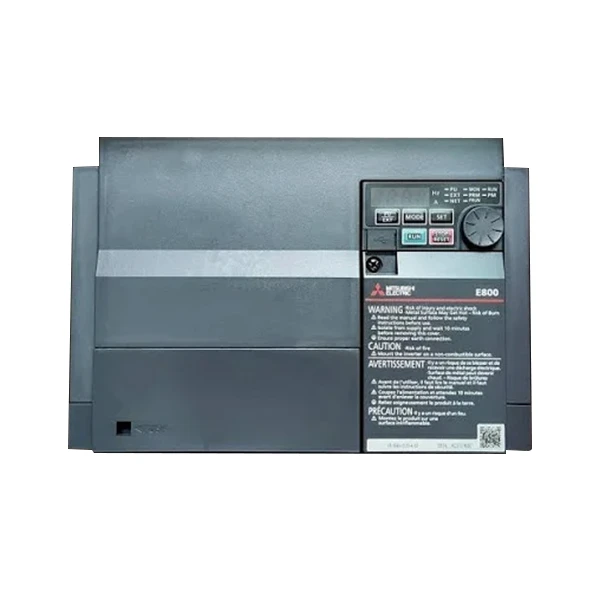

Technical Features of Mitsubishi VFDs
Mitsubishi VFDs are known for their advanced technology and high - performance capabilities. They are designed to control the speed and torque of electric motors precisely. The FR-F840-00250-E2-60 Mitsubishi Electric is a prime example. It offers a wide range of frequency control, from 0.1 Hz to 400 Hz, allowing for fine - tuned motor operation. This flexibility is essential in marine applications where different equipment may require different operating speeds.
The Mitsubishi Fr - e720 - 0.4k Inverter is another popular model. It has a compact design, which is beneficial in the limited space available on ships. Despite its small size, it provides excellent energy - saving features. In a marine environment, energy efficiency is of utmost importance as ships rely on their power sources for long - distance voyages.
The Mitsubishi Electric FR - E840 - 0120 - 4 - 60 comes with advanced protection functions. It can detect over - current, over - voltage, and under - voltage conditions and take appropriate measures to protect the motor and the drive itself. These protection features are vital in a marine environment where electrical systems are more prone to disturbances due to factors such as saltwater corrosion and rough weather.
Advantages of Using Mitsubishi VFDs in Marine Environments
Energy Efficiency
One of the most significant advantages of using Mitsubishi VFDs in marine applications is energy efficiency. By adjusting the motor speed according to the actual load requirements, VFDs can significantly reduce energy consumption. For example, pumps and fans on a ship often operate at a fixed speed, which may not be necessary all the time. With a Mitsubishi VFD, the speed of these motors can be adjusted, resulting in substantial energy savings. This not only reduces operating costs but also extends the lifespan of the motors.
Precise Control
Marine equipment requires precise control to ensure safe and efficient operation. Mitsubishi VFDs offer accurate speed and torque control, which is essential for equipment such as winches, cranes, and propulsion systems. Precise control allows for better maneuverability of the ship and more efficient handling of cargo.
Adaptability
Mitsubishi VFDs can be easily integrated into existing marine electrical systems. They support various communication protocols, such as Modbus, Profibus, and Ethernet, which makes it possible to connect them to the ship's control network. This adaptability allows for seamless operation and monitoring of the VFDs from the ship's control room.
Challenges and Considerations in Marine Environments
Corrosion
The marine environment is highly corrosive due to the presence of saltwater. Saltwater can cause corrosion of the electrical components of the VFDs, leading to reduced performance and even failure. Mitsubishi VFDs are designed with protective coatings and enclosures to resist corrosion. However, it is still necessary to take additional measures, such as regular maintenance and proper ventilation, to ensure the long - term reliability of the VFDs.
Vibration and Shock
Ships are subject to constant vibration and shock due to the movement of the vessel and the operation of the machinery. These vibrations and shocks can cause mechanical damage to the VFDs. Mitsubishi VFDs are built with robust mechanical structures to withstand these conditions. However, proper mounting and vibration isolation techniques should be employed to further protect the VFDs.
Temperature and Humidity
The temperature and humidity levels in a marine environment can vary significantly. High humidity can cause condensation inside the VFDs, which can lead to electrical short - circuits. Mitsubishi VFDs are designed to operate within a wide temperature and humidity range. However, it is important to install them in a well - ventilated and temperature - controlled environment to prevent any potential issues.
Case Studies
There have been several successful applications of Mitsubishi VFDs in the marine industry. For example, a large cargo ship installed Mitsubishi VFDs on its ballast pumps. By using the VFDs to control the speed of the pumps, the ship was able to reduce its energy consumption by up to 30%. This not only saved a significant amount of money on fuel costs but also reduced the ship's carbon footprint.
Another case involved a fishing vessel that used Mitsubishi VFDs on its winches. The precise control provided by the VFDs allowed the fishermen to handle their nets more efficiently, resulting in increased catch rates and improved safety.
Conclusion
In conclusion, Mitsubishi VFDs can be effectively used in a marine environment. Their advanced technical features, energy efficiency, precise control, and adaptability make them suitable for a wide range of marine applications. However, it is important to be aware of the challenges posed by the marine environment, such as corrosion, vibration, and temperature variations, and take appropriate measures to ensure the long - term reliability of the VFDs.
If you are in the marine industry and are considering using Mitsubishi VFDs for your applications, I encourage you to contact us for more information. We have a team of experts who can provide you with detailed technical advice and help you select the most suitable VFDs for your specific needs. Whether you are looking for a high - performance drive for a large - scale propulsion system or a compact inverter for a small pump, we have the right solution for you. Let's start a discussion about how Mitsubishi VFDs can enhance the efficiency and reliability of your marine equipment.
References
- Mitsubishi Electric Corporation. Technical Manuals for FR - F840, Fr - e720, and FR - E840 series VFDs.
- Industry reports on the use of VFDs in the marine industry.
- Case studies provided by shipyards and shipping companies using Mitsubishi VFDs.


