


In the contemporary era, the integration of advanced technologies into various industries has become a defining characteristic of progress. The agriculture industry, in particular, has witnessed a significant transformation with the adoption of automation and smart technologies. Among these technologies, Human - Machine Interfaces (HMIs) play a crucial role in facilitating efficient control and monitoring of agricultural processes. As an Omron HMI supplier, I am frequently asked whether Omron HMIs can be used in the agriculture industries. In this blog, I will delve into this question, exploring the capabilities of Omron HMIs and their potential applications in agriculture.

The Basics of Omron HMIs
Omron is a globally recognized brand known for its high - quality automation products, including HMIs. Omron HMIs are designed to provide an intuitive interface between operators and industrial equipment. They offer features such as high - resolution displays, touch - screen functionality, and the ability to communicate with various types of control systems. For example, the NS12 - TS01B - V2 OMRON Touch Screen Brand is a state - of - the - art HMI that provides a large, clear display, making it easy for operators to monitor and control complex processes.
Key Features of Omron HMIs Suitable for Agriculture
1. Intuitive Interface
Agricultural operations often involve a diverse range of personnel, from experienced farmers to seasonal workers. Omron HMIs are designed with an intuitive interface that can be easily understood by users with varying levels of technical expertise. The touch - screen functionality allows for quick and easy navigation, reducing the learning curve for new users. For instance, the Omron NS10 - TV00B - V2 HMI has a user - friendly layout that enables operators to access different functions and settings with just a few taps.
2. Durability
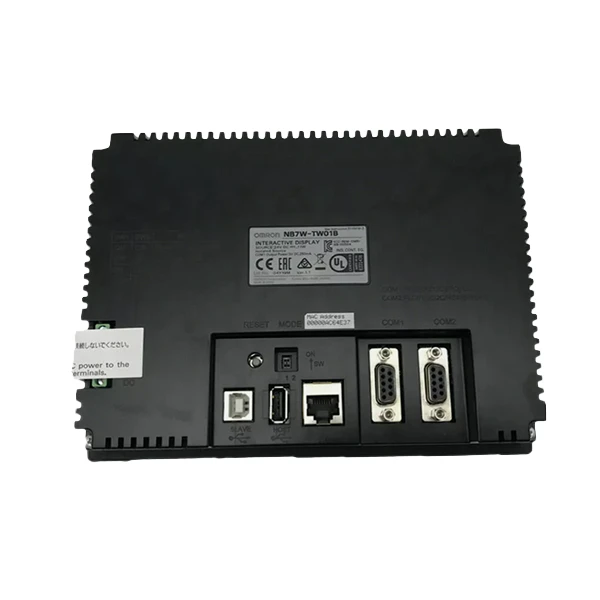
Agricultural environments can be harsh, with exposure to dust, moisture, and extreme temperatures. Omron HMIs are built to withstand these challenging conditions. They are constructed using high - quality materials that are resistant to environmental factors, ensuring reliable operation in the field. The NB7W - TW01B Omron NB Series Touch Screen HMI is designed to meet the rugged requirements of industrial applications, making it suitable for use in agricultural settings.
3. Connectivity
Modern agriculture relies on the integration of multiple systems, such as irrigation systems, climate control systems, and livestock management systems. Omron HMIs support a wide range of communication protocols, allowing them to connect seamlessly with different types of equipment and control systems. This enables operators to monitor and control all aspects of their agricultural operations from a single interface.
Applications of Omron HMIs in Agriculture
1. Irrigation Management
Efficient water management is crucial in agriculture. Omron HMIs can be used to control and monitor irrigation systems. Operators can set up irrigation schedules, adjust water flow rates, and monitor soil moisture levels through the HMI. For example, in a large - scale farm, an Omron HMI can be connected to a network of sensors and valves. The HMI will display real - time data on soil moisture, and based on pre - set parameters, it can automatically open or close the valves to ensure optimal water usage.
2. Greenhouse Climate Control
Greenhouses require precise control of temperature, humidity, and light levels to create an ideal growing environment for plants. Omron HMIs can be integrated with climate control systems in greenhouses. Operators can use the HMI to set the desired temperature and humidity levels. The HMI will then communicate with heaters, fans, and misting systems to maintain these conditions. It can also display real - time data on environmental conditions, allowing operators to make adjustments as needed.
3. Livestock Management
In livestock farming, Omron HMIs can be used to monitor and control various aspects of animal care. For example, they can be used to control feeding systems, ensuring that animals receive the right amount of feed at the right time. HMIs can also be connected to sensors that monitor the health and well - being of animals, such as temperature sensors and activity monitors. Operators can view this data on the HMI and take appropriate action if any issues are detected.
Case Studies
1. A Large - Scale Vegetable Farm
A large - scale vegetable farm was facing challenges in managing its irrigation system. The farm had multiple fields with different soil types and water requirements. By installing an Omron HMI connected to a network of soil moisture sensors and irrigation valves, the farm was able to optimize water usage. The HMI allowed the farm manager to create customized irrigation schedules for each field based on real - time soil moisture data. As a result, the farm reduced water consumption by 30% while increasing crop yields.
2. A Commercial Greenhouse
A commercial greenhouse was struggling to maintain consistent temperature and humidity levels, which was affecting plant growth. After integrating an Omron HMI with its climate control system, the greenhouse operators were able to set precise environmental parameters. The HMI continuously monitored the temperature and humidity and adjusted the heating, cooling, and ventilation systems accordingly. This led to a significant improvement in plant health and productivity.
Advantages of Using Omron HMIs in Agriculture
1. Increased Efficiency
By providing a centralized control and monitoring platform, Omron HMIs can streamline agricultural operations. Operators can perform multiple tasks from a single interface, reducing the time and effort required to manage different systems. This leads to increased productivity and efficiency on the farm.
2. Cost Savings
Optimized resource management, such as reduced water usage and energy consumption, can result in significant cost savings for farmers. Additionally, the durability of Omron HMIs means less frequent replacement and maintenance, further reducing costs in the long run.
3. Improved Quality
Precise control of agricultural processes, such as irrigation and climate control, can lead to improved crop quality and animal health. This can result in higher market prices for agricultural products, increasing the profitability of the farm.
Conclusion
In conclusion, Omron HMIs are well - suited for use in the agriculture industries. Their intuitive interface, durability, and connectivity make them ideal for controlling and monitoring a wide range of agricultural processes. Whether it's managing irrigation systems, controlling greenhouse climates, or monitoring livestock, Omron HMIs can provide significant benefits to farmers.
If you are interested in exploring how Omron HMIs can enhance your agricultural operations, I encourage you to reach out to me for more information and to discuss potential procurement options. I am committed to providing high - quality Omron HMIs and excellent customer service to help you achieve your agricultural goals.
References
- Omron Corporation official product documentation
- Industry reports on the use of automation in agriculture
- Case studies from farms and greenhouses using Omron HMIs


