


Can Siemens VFD be used in hazardous environments?
In industrial applications, the use of Variable Frequency Drives (VFDs) is widespread due to their ability to control the speed of electric motors efficiently. However, when it comes to hazardous environments, such as those with flammable gases, vapors, or combustible dusts, the selection of VFDs requires special consideration. As a Siemens VFD supplier, I am often asked whether Siemens VFDs can be used in these challenging settings. In this blog post, I will delve into this question, exploring the capabilities of Siemens VFDs in hazardous environments.
Understanding Hazardous Environments
Hazardous environments are classified based on the type of hazardous substances present and the likelihood of their presence. The two main types of hazardous environments are those with flammable gases or vapors and those with combustible dusts. These environments are typically found in industries such as oil and gas, chemical processing, mining, and food processing.
The classification of hazardous areas is crucial for the selection of appropriate electrical equipment. In the United States, the National Electric Code (NEC) divides hazardous areas into Classes, Divisions, and Groups. Classes refer to the type of hazardous material (Class I for gases and vapors, Class II for dusts, and Class III for fibers and flyings). Divisions indicate the likelihood of the hazardous material being present (Division 1 for frequent or continuous presence and Division 2 for occasional presence). Groups further categorize the specific hazardous substances.
In Europe, the ATEX directive is used for the classification of hazardous areas. It divides areas into Zones, with Zone 0, 1, and 2 for gas and vapor environments and Zone 20, 21, and 22 for dust environments.
Siemens VFDs and Hazardous Environments
Siemens offers a range of VFDs that can be used in hazardous environments. These drives are designed and certified to meet the strict safety requirements of different hazardous area classifications.
One of the key features of Siemens VFDs suitable for hazardous environments is their enclosure design. The enclosures are built to prevent the ignition of hazardous substances by containing any sparks or arcs generated inside the drive. For example, some Siemens VFDs are available in explosion-proof enclosures, which are designed to withstand an internal explosion without allowing the flame to propagate outside the enclosure.
Another important aspect is the use of intrinsically safe circuits. Intrinsically safe circuits are designed to limit the energy available in the electrical system to a level that is insufficient to ignite the hazardous substances. Siemens VFDs can be equipped with intrinsically safe options for control signals, ensuring safe operation in hazardous areas.

Specific Siemens VFD Models for Hazardous Environments
Siemens has several VFD models that are suitable for use in hazardous environments.
The Siemens Drive 6SL3120 - 2TE21 - 8AA3 is part of the SINAMICS S120 drive family. It offers high performance and flexibility, making it suitable for a wide range of industrial applications. This drive can be configured with appropriate enclosures and safety features to meet the requirements of hazardous environments. It has advanced control algorithms that ensure precise motor control, even in demanding conditions.
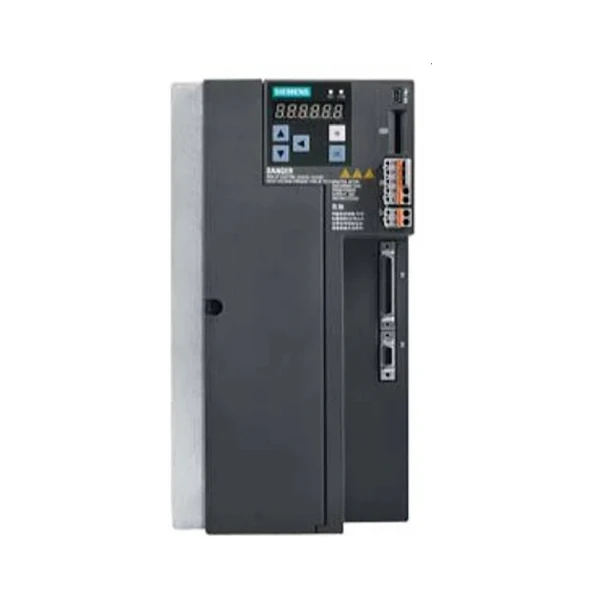
The SINAMICS V90 is a compact and cost - effective VFD. It is designed for simple motion control applications, such as conveyor belts and pumps. For hazardous environments, the SINAMICS V90 can be installed in suitable enclosures and can be integrated with safety systems to ensure safe operation. It offers easy commissioning and operation, which is beneficial for industrial users.
The SINAMICS G120 Frequency Converter is a modular drive system that can be customized to meet specific application requirements. It is available in different power ratings and can be used in a variety of industrial sectors. In hazardous environments, the SINAMICS G120 can be equipped with explosion - proof enclosures and intrinsically safe options. Its modular design allows for easy maintenance and upgrades, which is important in industrial settings.
Certification and Compliance
Siemens VFDs for hazardous environments are certified to meet various international standards. For example, they comply with the ATEX directive in Europe and the NEC requirements in the United States. These certifications ensure that the drives have undergone rigorous testing to verify their safety and performance in hazardous areas.
The certification process involves testing the drives for parameters such as temperature rise, electrical insulation, and protection against ingress of hazardous substances. By choosing Siemens VFDs with proper certifications, industrial users can be confident that they are using equipment that meets the highest safety standards.
Installation and Maintenance in Hazardous Environments
Proper installation and maintenance are crucial when using Siemens VFDs in hazardous environments. During installation, it is important to follow the manufacturer's instructions and local safety regulations. This includes ensuring proper grounding, correct wiring, and appropriate installation of the enclosure.
Regular maintenance is also essential to ensure the continued safe operation of the VFDs. Maintenance tasks may include checking the integrity of the enclosure, inspecting the electrical connections, and performing functional tests. Siemens provides detailed maintenance guidelines for its VFDs, which should be followed carefully.
Advantages of Using Siemens VFDs in Hazardous Environments
There are several advantages to using Siemens VFDs in hazardous environments. Firstly, their high - quality design and construction ensure reliable operation, reducing the risk of downtime. This is especially important in industries where continuous production is critical.
Secondly, Siemens VFDs offer energy - saving benefits. By controlling the speed of the motor according to the actual load requirements, they can reduce energy consumption, which not only lowers operating costs but also has environmental benefits.
Thirdly, Siemens provides excellent technical support. As a supplier, I can attest to the fact that Siemens has a global network of experts who can assist with installation, commissioning, and troubleshooting. This support ensures that industrial users can get the most out of their VFDs in hazardous environments.
Conclusion
In conclusion, Siemens VFDs can be used in hazardous environments. With their advanced design features, such as explosion - proof enclosures and intrinsically safe circuits, and their compliance with international safety standards, Siemens VFDs offer a reliable and safe solution for industrial applications in these challenging settings. The specific models like the Siemens Drive 6SL3120 - 2TE21 - 8AA3, SINAMICS V90, and SINAMICS G120 Frequency Converter provide a range of options to meet different application requirements.
If you are looking for a VFD solution for your hazardous environment application, I encourage you to contact us for more information. We can help you select the most suitable Siemens VFD model, ensure proper installation and maintenance, and provide you with the necessary technical support. Our team of experts is ready to assist you in making the right choice for your industrial needs.
References
- National Electric Code (NEC), National Fire Protection Association (NFPA).
- ATEX directive, European Union.
- Siemens product documentation for SINAMICS S120, SINAMICS V90, and SINAMICS G120.


