


As a trusted supplier of ABB PLCs, I've witnessed firsthand the transformative power of integrating Artificial Intelligence (AI) into industrial automation. In this blog post, I'll share some insights on how to develop AI applications for ABB PLCs, leveraging our extensive experience in the field.
Understanding the Basics: ABB PLCs and AI
Before diving into the development process, it's essential to understand the fundamentals of ABB PLCs and AI. ABB PLCs are robust, reliable, and widely used in industrial automation for controlling and monitoring various processes. They offer a range of features and capabilities, including high-speed processing, extensive I/O options, and communication protocols.

On the other hand, AI refers to the simulation of human intelligence in machines that are programmed to think and learn like humans. AI technologies, such as machine learning, deep learning, and natural language processing, can be applied to industrial automation to improve efficiency, productivity, and quality.
Benefits of AI in ABB PLC Applications
Integrating AI into ABB PLC applications offers several benefits, including: - Predictive Maintenance: AI algorithms can analyze historical data from ABB PLCs to predict equipment failures before they occur. This allows for proactive maintenance, reducing downtime and maintenance costs. For example, by monitoring the temperature, vibration, and other parameters of a motor controlled by an ABB PLC, an AI system can detect early signs of wear and tear and recommend maintenance actions. - Process Optimization: AI can optimize industrial processes by analyzing real-time data from ABB PLCs and adjusting control parameters accordingly. This can lead to improved product quality, reduced energy consumption, and increased production efficiency. For instance, an AI system can optimize the speed and torque of a conveyor belt based on the weight and size of the products being transported. - Fault Diagnosis: AI algorithms can quickly identify and diagnose faults in ABB PLC systems by analyzing sensor data and comparing it to normal operating conditions. This helps in reducing the time required to troubleshoot and repair faults, minimizing production disruptions. - Quality Control: AI can be used to inspect products in real-time using vision systems integrated with ABB PLCs. This ensures that products meet the required quality standards and reduces the need for manual inspection.
Steps to Develop AI Applications for ABB PLCs
Developing AI applications for ABB PLCs involves several steps, which are outlined below:
Step 1: Define the Problem
The first step is to clearly define the problem you want to solve using AI. This could be related to predictive maintenance, process optimization, fault diagnosis, or quality control. Identify the specific goals and objectives of the project, as well as the key performance indicators (KPIs) that will be used to measure its success.
Step 2: Collect and Prepare Data
Once the problem is defined, the next step is to collect and prepare the data required for training the AI model. This data can be obtained from various sources, such as ABB PLCs, sensors, and historical records. It's important to ensure that the data is accurate, complete, and representative of the problem you're trying to solve.
Data preprocessing is also an important step in the process. This involves cleaning the data, handling missing values, normalizing the data, and splitting it into training and testing sets.
Step 3: Select the AI Algorithm
There are several AI algorithms available, each with its own strengths and weaknesses. The choice of algorithm depends on the nature of the problem, the type of data, and the available resources. Some commonly used AI algorithms for industrial automation include neural networks, decision trees, support vector machines, and random forests.
Step 4: Train the AI Model
Once the AI algorithm is selected, the next step is to train the model using the prepared data. This involves adjusting the model's parameters to minimize the difference between the predicted and actual outputs. The training process can be time-consuming and computationally intensive, especially for complex models.
Step 5: Integrate the AI Model with ABB PLCs
After the AI model is trained and validated, the next step is to integrate it with the ABB PLCs. This can be done using various communication protocols, such as OPC UA, Modbus, or Profibus. The AI model can then receive real-time data from the ABB PLCs and send control signals back to the PLCs based on the predictions.

Step 6: Test and Deploy the AI Application
Before deploying the AI application in a production environment, it's important to test it thoroughly to ensure that it works as expected. This involves testing the application under different operating conditions and scenarios to identify and fix any issues.
Once the AI application is tested and validated, it can be deployed in the production environment. It's important to monitor the performance of the application closely and make any necessary adjustments to ensure its continued effectiveness.
Examples of AI Applications for ABB PLCs
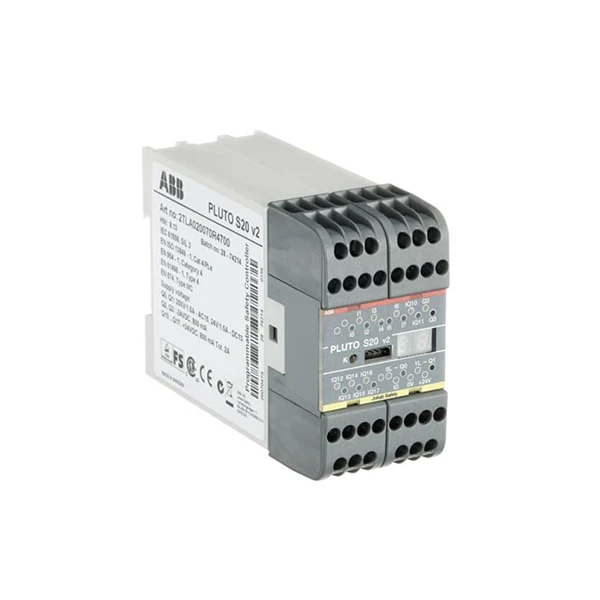
Here are some examples of AI applications for ABB PLCs: - Predictive Maintenance of 2TLA020070R4700 ABB PLC: An AI system can analyze the historical data of the 2TLA020070R4700 ABB PLC, such as its temperature, voltage, and current, to predict when a component is likely to fail. This allows for proactive maintenance, reducing downtime and maintenance costs. - Process Optimization of Abb 1sbh143001r8822 Contactor Relay: An AI system can optimize the operation of the Abb 1sbh143001r8822 Contactor Relay by analyzing real-time data from sensors and adjusting the control parameters accordingly. This can lead to improved energy efficiency and reduced wear and tear. - Fault Diagnosis of ABB PFEA112-65 3BSE050091R65: An AI system can quickly identify and diagnose faults in the ABB PFEA112-65 3BSE050091R65 by analyzing sensor data and comparing it to normal operating conditions. This helps in reducing the time required to troubleshoot and repair faults, minimizing production disruptions.
Challenges and Considerations
Developing AI applications for ABB PLCs also comes with its own set of challenges and considerations, including: - Data Security: Industrial automation systems are often vulnerable to cyberattacks. It's important to ensure that the data collected from ABB PLCs and used for AI applications is secure and protected from unauthorized access. - Scalability: As the volume of data and the complexity of AI models increase, it's important to ensure that the AI application can scale to meet the growing demands of the industrial environment. - Interoperability: ABB PLCs may need to communicate with other devices and systems in the industrial environment. It's important to ensure that the AI application is interoperable with these devices and systems. - Skills and Expertise: Developing AI applications for ABB PLCs requires a combination of skills and expertise in industrial automation, AI, and programming. It's important to have a team of experts who can handle the development and implementation of the AI application.

Conclusion
Integrating AI into ABB PLC applications offers significant benefits for industrial automation, including predictive maintenance, process optimization, fault diagnosis, and quality control. By following the steps outlined in this blog post, you can develop AI applications for ABB PLCs that are tailored to your specific needs and requirements.
If you're interested in exploring the possibilities of AI in ABB PLC applications, we'd be happy to discuss your project with you. Our team of experts has extensive experience in developing and implementing AI solutions for industrial automation. Contact us today to start a conversation about how we can help you take your industrial automation to the next level.


