


Yo, what's up everyone! I'm a supplier of Siemens VFDs, and today I wanna chat about a pretty hot topic: Can Siemens VFD control multiple motors simultaneously? Let's dig into this and find out.
First off, for those who might not be super familiar, a Variable Frequency Drive (VFD) is a key piece of equipment in the industrial world. It helps control the speed and torque of an electric motor by adjusting the frequency and voltage of the power supply. Siemens is a big name in this game, known for making high - quality VFDs that are used in all sorts of industries, from manufacturing to HVAC systems.
Now, the question is, can a Siemens VFD handle multiple motors at once? The short answer is, it depends. There are a few factors we need to look at.
Types of Siemens VFDs and Their Capabilities
Siemens has a wide range of VFDs, each with its own set of features and capabilities. Let's take a look at some popular models.
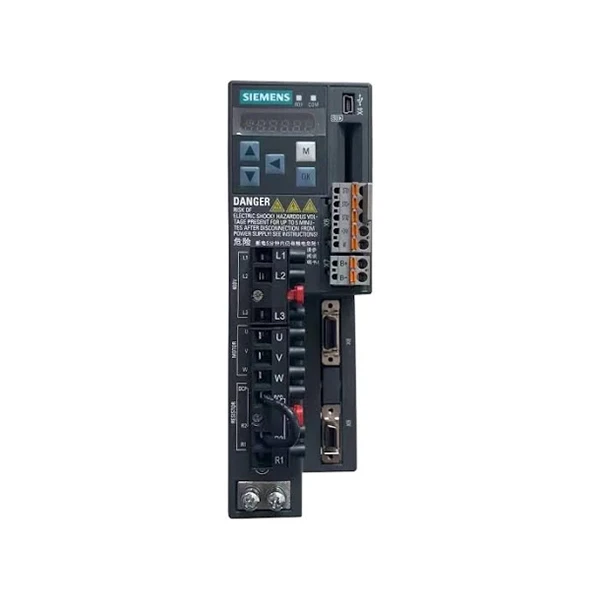
The SINAMICS V90 is a compact and high - performance drive. It's often used in applications where precise control is needed, like in robotics and machine tools. By default, the SINAMICS V90 is designed to control a single motor. It's optimized to provide accurate speed and torque control for that one motor, ensuring smooth operation and high efficiency. But with some additional setup and the right conditions, it might be possible to use it to control multiple motors, though it's not its primary use case.
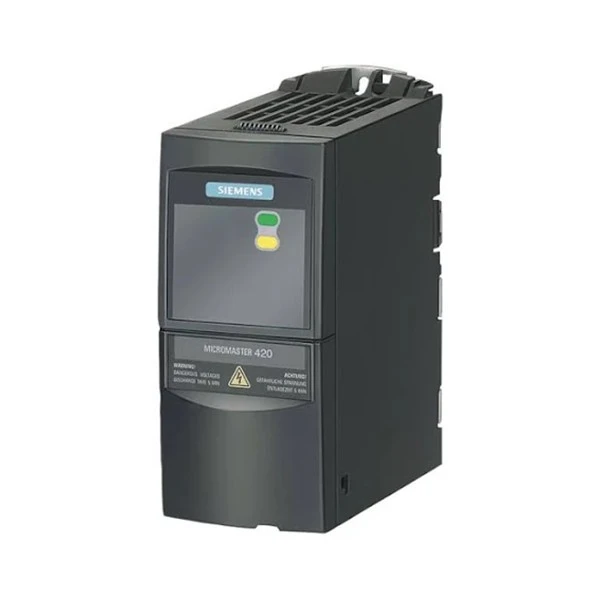
Then there's the Siemens 6SE6420 - 2UD17 - 5AA1 Drives. This drive is part of the MICROMASTER series, which is known for its flexibility and reliability. It has more power and can potentially be used to control multiple motors, but there are some limitations. For example, all the motors need to have similar characteristics, like the same power rating and speed requirements. If the motors are too different, the drive might not be able to provide the right amount of power and control to each motor, which could lead to issues like overheating or uneven performance.
The Siemens 6ES6440 - 2AD23 - 0BA1 is a larger and more powerful drive from the SINAMICS G120 series. This drive is more suitable for controlling multiple motors simultaneously. It has advanced control algorithms and can handle different motor types and loads. However, proper sizing and configuration are crucial. You need to make sure that the drive has enough power to handle the combined load of all the motors, and that the control settings are adjusted correctly for each motor.
Factors to Consider When Controlling Multiple Motors
If you're thinking about using a Siemens VFD to control multiple motors, there are several factors you need to keep in mind.
Motor Characteristics: As I mentioned earlier, the motors should have similar characteristics. This includes things like power rating, speed range, and torque requirements. If one motor has a much higher power demand than the others, the drive might not be able to supply enough power to it, which can cause the motor to overheat or fail.
Load Sharing: When multiple motors are connected to a single VFD, the load needs to be shared evenly among them. This can be a challenge, especially if the motors are used in different applications or have different operating conditions. Some Siemens VFDs have features that can help with load sharing, but it still requires careful setup and monitoring.
Control Requirements: Different motors might have different control requirements. For example, some motors might need to start and stop at different times, or they might need to operate at different speeds. The VFD needs to be able to handle these different control requirements. Some advanced Siemens VFDs have programmable logic controllers (PLCs) built - in, which can be used to customize the control logic for each motor.
Safety: Safety is always a top priority. When multiple motors are connected to a single VFD, there's a risk of electrical faults or overloads. The VFD should have proper protection features, like over - current protection and short - circuit protection, to prevent damage to the motors and the drive itself.
Advantages and Disadvantages of Controlling Multiple Motors with a Single VFD
There are some clear advantages to using a single Siemens VFD to control multiple motors.
Cost Savings: Buying one VFD instead of multiple VFDs can save you a significant amount of money. You also save on installation costs, as you only need to install one drive instead of several.
Space Saving: A single VFD takes up less space than multiple VFDs. This can be a big advantage in applications where space is limited, like in a small factory or a machine cabinet.
Simplified Control: Having one VFD to control multiple motors means you only need to manage one set of control settings. This can make it easier to monitor and adjust the operation of the motors.
However, there are also some disadvantages.
Limited Flexibility: If one motor needs to be replaced or upgraded, it can be more difficult to do so when multiple motors are connected to a single VFD. You might need to re - configure the drive and make sure that the new motor is compatible with the existing setup.
Higher Risk of Failure: If the VFD fails, all the motors connected to it will stop working. This can cause significant downtime in your production process, which can be costly.
How to Make It Work
If you've decided that using a Siemens VFD to control multiple motors is the right choice for your application, here are some steps you can take to make it work.
Proper Sizing: Make sure that the VFD has enough power to handle the combined load of all the motors. You can calculate the total power requirement by adding up the power ratings of all the motors. It's also a good idea to add a safety margin to account for any future expansion or unexpected loads.
Configuration: Configure the VFD according to the characteristics of the motors. This includes setting the correct frequency, voltage, and current limits for each motor. You might need to use the VFD's programming interface to make these adjustments.
Testing: Before putting the system into full operation, test it thoroughly. Start with a low - speed test to make sure that all the motors are running smoothly and that the load is being shared evenly. Monitor the temperature and performance of the motors and the VFD during the test.
Conclusion
So, can a Siemens VFD control multiple motors simultaneously? The answer is yes, but it's not always straightforward. It depends on the type of VFD, the characteristics of the motors, and how well you manage the setup. If you do it right, you can enjoy cost savings, space savings, and simplified control. But you also need to be aware of the limitations and risks.
If you're interested in using a Siemens VFD to control multiple motors for your application, I'm here to help. As a Siemens VFD supplier, I have the knowledge and experience to assist you in choosing the right VFD, sizing it correctly, and configuring it for your specific needs. Just reach out, and we can start a conversation about how to make your project a success.
References
- Siemens official product documentation
- Industry research papers on VFD applications
- Practical experience in the field of VFD installation and maintenance


