


Hey there! As a Mitsubishi PLC supplier, I often get asked how to compare different Mitsubishi PLC models in terms of cost - effectiveness. It's a crucial question, especially for businesses looking to optimize their automation processes without breaking the bank. In this blog, I'll share some insights and tips to help you make an informed decision.
Understanding Cost - Effectiveness
First things first, what do we mean by cost - effectiveness when it comes to PLCs? It's not just about the upfront price. Cost - effectiveness is a balance between the price of the PLC and the value it brings to your operations. This value includes factors like performance, functionality, reliability, and ease of use. A cheaper PLC might seem like a good deal at first, but if it can't handle your production requirements or breaks down frequently, it'll end up costing you more in the long run.
Factors to Consider
1. Performance
The performance of a PLC is measured by its processing speed, memory capacity, and input/output (I/O) capabilities. Faster processing speeds mean the PLC can execute commands more quickly, which is essential for high - speed production lines. More memory allows the PLC to store larger programs and data, which is useful for complex automation tasks. And sufficient I/O points are necessary to connect all the sensors and actuators in your system.
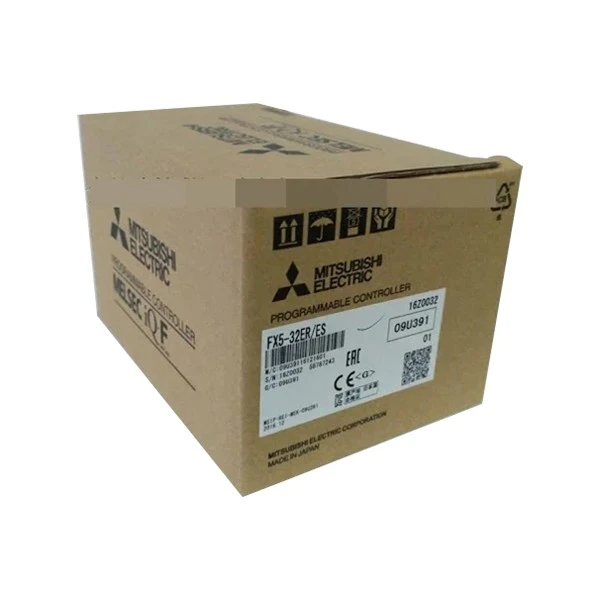
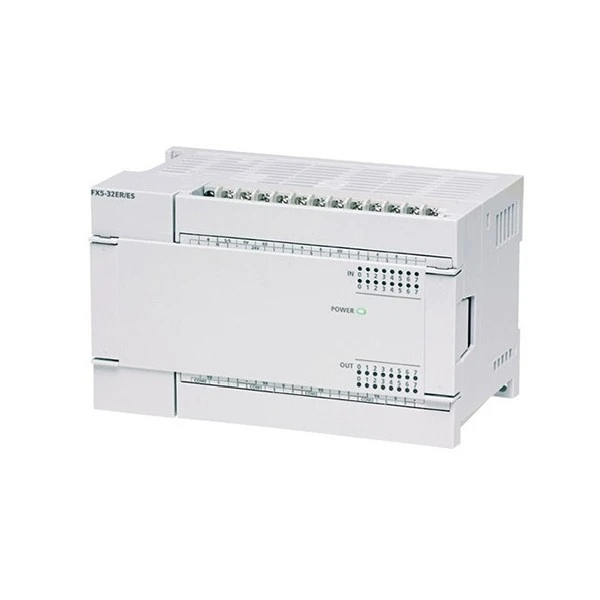
For example, the FX5 - 32ER/ES Mitsubishi Electric is known for its high - performance capabilities. It has a fast CPU and a large memory capacity, making it suitable for demanding applications. On the other hand, if your application is relatively simple, a less powerful model might be sufficient and more cost - effective.
2. Functionality
Different PLC models come with different sets of functions. Some have built - in communication protocols, which are useful for integrating the PLC with other devices in your network. Others have advanced programming features, such as ladder logic programming or structured text programming.
The Mitsubishi Fx2n 4ad is a good example of a PLC with specific functionality. It's an analog input module that can convert analog signals from sensors into digital signals that the PLC can process. If your application requires analog input, this module can add a lot of value to your system.
3. Reliability
Reliability is a key factor in cost - effectiveness. A reliable PLC will have fewer breakdowns, which means less downtime and lower maintenance costs. Mitsubishi is known for producing high - quality and reliable PLCs. They use high - quality components and have strict quality control measures in place.
For instance, the Mitsubishi FX3U - 32DP is a very reliable model. It has a rugged design and can operate in harsh industrial environments. This reliability ensures that your production processes run smoothly and reduces the risk of costly disruptions.
4. Ease of Use
A PLC that's easy to use can save you time and money on programming and training. Look for models with user - friendly programming software and intuitive interfaces. Mitsubishi's programming software, such as GX Works3, is designed to be easy to learn and use. It has a drag - and - drop interface and provides helpful wizards to guide you through the programming process.
Comparing Specific Models
Let's take a closer look at how to compare some popular Mitsubishi PLC models in terms of cost - effectiveness.
Mitsubishi FX2N Series
The FX2N series is a well - established and widely used PLC series. It's known for its simplicity and affordability. It has a relatively small number of I/O points, which makes it suitable for small - to - medium - sized applications. The programming is straightforward, and it's easy to find support and resources online.
However, its performance and functionality are more limited compared to newer models. If your application requires high - speed processing or advanced functions, the FX2N series might not be the most cost - effective choice.
Mitsubishi FX3U Series
The FX3U series is an upgrade from the FX2N series. It offers better performance, more memory, and additional functionality. It has a faster CPU and can handle more complex programs. It also supports a wider range of communication protocols, which makes it easier to integrate with other devices.
The FX3U series is more expensive than the FX2N series, but if your application requires higher performance and functionality, it can be a more cost - effective choice in the long run. The increased productivity and reduced downtime can offset the higher upfront cost.
Mitsubishi FX5 Series
The FX5 series is the latest and most advanced series from Mitsubishi. It offers the highest performance, the largest memory capacity, and the most advanced functions. It has a modular design, which allows you to easily expand the I/O points and add additional functionality as your needs grow.
The FX5 series is the most expensive of the three series, but for large - scale and complex applications, it can provide the best value for money. Its high performance and flexibility can improve the efficiency and productivity of your production processes significantly.
Making the Decision
When comparing different Mitsubishi PLC models in terms of cost - effectiveness, you need to consider your specific application requirements. Make a list of the features and functions that are essential for your application. Then, compare the models based on these requirements and their prices.
It's also a good idea to consult with an expert. As a Mitsubishi PLC supplier, I can provide you with more detailed information about the different models and help you choose the one that's right for your business. I can also offer advice on installation, programming, and maintenance.
Conclusion
In conclusion, comparing different Mitsubishi PLC models in terms of cost - effectiveness requires a careful consideration of performance, functionality, reliability, and ease of use. By understanding your application requirements and evaluating the different models based on these factors, you can make an informed decision that will save you money in the long run.
If you're interested in learning more about Mitsubishi PLCs or need help choosing the right model for your application, don't hesitate to reach out. I'm here to assist you in finding the most cost - effective solution for your automation needs.
References
- Mitsubishi Electric Corporation. PLC Product Manuals.
- Industry publications on industrial automation and PLC technology.


