


Hey there! As a supplier of Schneider PLCs, I've had my fair share of experiences dealing with all sorts of PLC control system setups. One question that comes up a lot is how to implement redundancy in a Schneider PLC control system. So, I thought I'd share my insights on this topic.
First off, let's talk about why redundancy is so important. In industrial settings, downtime can be a real pain in the neck. It can cost a fortune in lost production, repairs, and missed deadlines. Redundancy in a PLC control system means having backup components or systems that can take over in case the primary ones fail. This helps to ensure continuous operation and minimize the impact of any failures.
Types of Redundancy
There are a few different types of redundancy that you can implement in a Schneider PLC control system. The most common ones are hardware redundancy and software redundancy.
Hardware Redundancy
Hardware redundancy involves having duplicate hardware components. For example, you might have two PLC controllers instead of one. If the primary controller fails, the backup controller can immediately take over. This can be a bit more expensive upfront, but it provides a high level of reliability.
Let's take a look at an example. Say you're using the Schneider Twido TWDLCAA24DRF Controller. You can set up a redundant system by having a second identical controller on standby. These controllers can be configured to communicate with each other and share data. In case the primary controller malfunctions, the backup controller can start running the control program without any significant interruption.
Another aspect of hardware redundancy is having redundant power supplies. Power outages can be a major cause of system failures. By having multiple power supplies, you can ensure that your PLC system keeps running even if one power supply fails. Schneider offers a range of power supplies that can be used in redundant configurations.
Software Redundancy
Software redundancy, on the other hand, focuses on having backup software or control logic. This can be achieved through techniques like hot standby or cold standby.
In a hot standby setup, the backup software is constantly running and monitoring the primary software. If the primary software fails, the backup software can take over immediately. This requires some sophisticated programming and communication between the primary and backup software.
Cold standby is a bit different. In this case, the backup software is not running until it's needed. When a failure is detected in the primary software, the backup software is initialized and starts running the control program. This can take a bit more time compared to hot standby, but it can still be an effective way to implement redundancy.
Implementing Redundancy Step by Step
Now that we've covered the types of redundancy, let's talk about how to actually implement it in a Schneider PLC control system.
Step 1: Planning
The first step is to plan your redundant system. You need to identify the critical components of your control system and determine which ones need redundancy. Consider factors like the impact of a failure on your production process, the cost of downtime, and the budget for implementing redundancy.
Step 2: Selecting the Right Components
Once you've done your planning, it's time to select the right components. For example, if you're going for hardware redundancy, you'll need to choose the appropriate PLC controllers, communication modules, and power supplies.
The Schneider Electric VW3A3627 Communication Module can be a great choice for ensuring reliable communication between redundant components. It offers high-speed data transfer and robust connectivity, which are essential for a redundant system.
Step 3: Configuration
After you've selected your components, you need to configure them for redundancy. This involves setting up the communication between the primary and backup components, defining the failover conditions, and programming the control logic.
Schneider provides some great tools and software for configuring their PLC systems. You can use these tools to easily set up the redundancy parameters and test the system to make sure everything is working as expected.
Step 4: Testing
Testing is a crucial step in implementing redundancy. You need to simulate various failure scenarios to ensure that the backup components can take over smoothly. This helps to identify any potential issues before they cause problems in a real-world situation.
Monitoring and Maintenance
Once your redundant system is up and running, it's important to monitor it regularly. You can use the diagnostic features of the Schneider PLCs to keep an eye on the health of the components. This allows you to detect any potential problems early and take corrective action before a failure occurs.
Regular maintenance is also essential. Make sure to follow the manufacturer's recommendations for maintenance, such as replacing batteries, cleaning components, and updating the firmware.

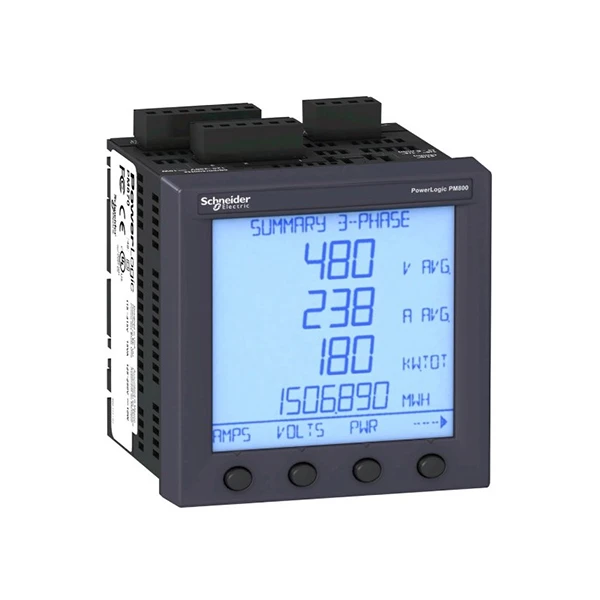
Using Schneider Electric PM810MG for Redundancy
The Schneider Electric PM810MG can play an important role in a redundant PLC control system. It's a powerful power and energy management device that can provide real-time data on power consumption, voltage, and current.
In a redundant system, the PM810MG can be used to monitor the power supply to the PLC controllers and other components. If it detects any issues with the power, it can trigger an alarm or initiate a failover to the backup power supply.
Conclusion
Implementing redundancy in a Schneider PLC control system is a complex but worthwhile process. It can significantly improve the reliability and availability of your industrial control system, reducing the risk of downtime and costly repairs.
If you're interested in learning more about how to implement redundancy in your Schneider PLC control system or if you're looking to purchase Schneider PLC components, I'd love to have a chat with you. Just reach out, and we can discuss your specific needs and come up with the best solution for you.
References
- Schneider Electric official documentation
- Industrial automation textbooks on PLC systems and redundancy


