


Integrating robots with ABB PLCs can significantly enhance the efficiency, flexibility, and productivity of industrial automation systems. As a trusted ABB PLC supplier, I have witnessed firsthand the transformative power of this integration in various industrial settings. In this blog post, I will share some practical insights and steps on how to integrate robots with ABB PLCs, drawing on my experience and industry knowledge.
Understanding the Basics of ABB PLCs and Robots
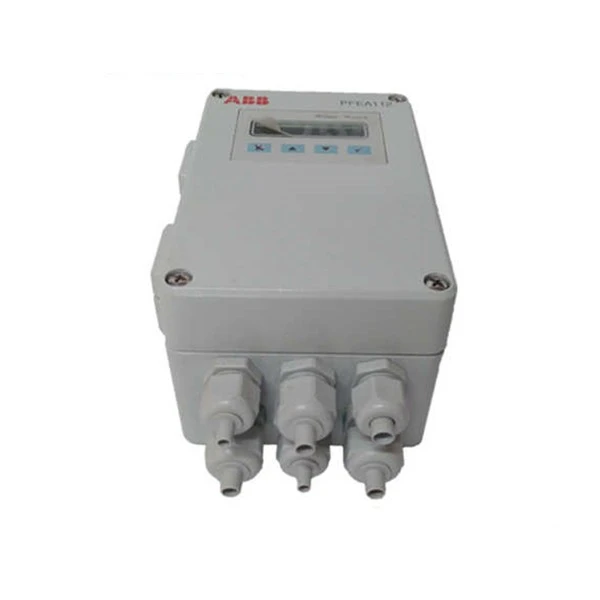
Before delving into the integration process, it's essential to have a solid understanding of ABB PLCs and robots. ABB PLCs, or Programmable Logic Controllers, are industrial computers used to automate industrial processes. They are known for their reliability, flexibility, and ease of programming. ABB offers a wide range of PLCs, each designed to meet specific industrial requirements, such as the Abb 1sbh143001r8822 Contactor Relay, ABB PFEA112-65 3BSE050091R65, and 2TLA020070R4700 ABB PLC.
On the other hand, ABB robots are highly advanced machines capable of performing complex tasks with precision and speed. They are used in various industries, including automotive, electronics, and food and beverage, to automate tasks such as welding, painting, and material handling.
Benefits of Integrating Robots with ABB PLCs
Integrating robots with ABB PLCs offers several benefits, including:
- Improved Efficiency: By automating repetitive tasks, robots can significantly increase the speed and accuracy of industrial processes, leading to higher productivity and reduced costs.
- Enhanced Flexibility: ABB PLCs can be easily programmed to adapt to changing production requirements, allowing for quick reconfiguration of robots and other automated equipment.
- Better Quality Control: Robots can perform tasks with consistent precision, reducing the risk of human error and ensuring higher product quality.
- Increased Safety: By replacing humans in hazardous or repetitive tasks, robots can improve workplace safety and reduce the risk of accidents.
Steps to Integrate Robots with ABB PLCs
The integration process typically involves the following steps:
1. Define the Requirements
The first step is to clearly define the requirements of the integration project. This includes identifying the tasks to be automated, the desired level of automation, and the performance requirements. It's also important to consider the existing infrastructure, such as the layout of the factory floor and the communication protocols used.

2. Select the Right Equipment
Based on the requirements, select the appropriate ABB PLC and robot models. Consider factors such as the size and complexity of the tasks, the required payload and reach of the robot, and the compatibility of the PLC and robot with the existing infrastructure.
3. Design the System Architecture
Once the equipment is selected, design the system architecture. This includes determining the communication interfaces between the PLC and the robot, the control algorithms, and the data flow. ABB offers a range of communication protocols, such as Profibus, Ethernet/IP, and Modbus, which can be used to establish communication between the PLC and the robot.
4. Program the PLC and the Robot
After the system architecture is designed, program the PLC and the robot. The PLC program is responsible for controlling the overall operation of the system, including the sequencing of tasks, the monitoring of sensors, and the communication with the robot. The robot program, on the other hand, is responsible for controlling the movement and actions of the robot.
5. Test and Debug the System
Once the programming is complete, test and debug the system. This involves verifying the functionality of the PLC and the robot, checking the communication between them, and ensuring that the system meets the performance requirements.
6. Implement and Maintain the System
After the system is tested and debugged, implement it in the production environment. Provide training to the operators and maintenance personnel on how to use and maintain the system. Regularly monitor the system to ensure its continued performance and reliability.
Challenges and Solutions in Integration
While integrating robots with ABB PLCs offers many benefits, it also presents some challenges. Some of the common challenges and their solutions include:
- Communication Issues: Ensuring seamless communication between the PLC and the robot can be challenging, especially when using different communication protocols. To overcome this challenge, use a common communication protocol or a gateway device to bridge the communication gap.
- Programming Complexity: Programming the PLC and the robot can be complex, especially for large and complex systems. To simplify the programming process, use programming tools and libraries provided by ABB, and follow best practices and standards.
- Safety Concerns: Integrating robots with PLCs requires careful consideration of safety issues. To ensure the safety of the operators and the equipment, use safety sensors and devices, and implement safety protocols and procedures.
Conclusion
Integrating robots with ABB PLCs is a powerful way to enhance the efficiency, flexibility, and productivity of industrial automation systems. By following the steps outlined in this blog post and addressing the challenges, you can successfully integrate robots with ABB PLCs and achieve significant benefits for your business.
If you are interested in integrating robots with ABB PLCs or need more information about our ABB PLC products, please feel free to contact us for procurement and further discussions. We are committed to providing you with the best solutions and support to meet your industrial automation needs.
References
- ABB PLC User Manuals
- ABB Robot Programming Guides
- Industrial Automation Handbook


