


Voltage sags, also known as voltage dips, are momentary reductions in the RMS voltage, typically lasting from half a cycle to a few seconds. These sags can cause significant issues for Schneider Variable Frequency Drives (VFDs), which are essential components in many industrial and commercial applications. As a trusted Schneider VFD supplier, I understand the importance of protecting these drives from voltage sags to ensure their reliable operation and longevity. In this blog post, I will share some effective strategies to safeguard Schneider VFDs from voltage sags.
Understanding the Impact of Voltage Sags on Schneider VFDs
Schneider VFDs are designed to convert fixed-frequency, fixed-voltage AC power into variable-frequency, variable-voltage AC power to control the speed and torque of electric motors. However, voltage sags can disrupt this process and lead to several problems, including:
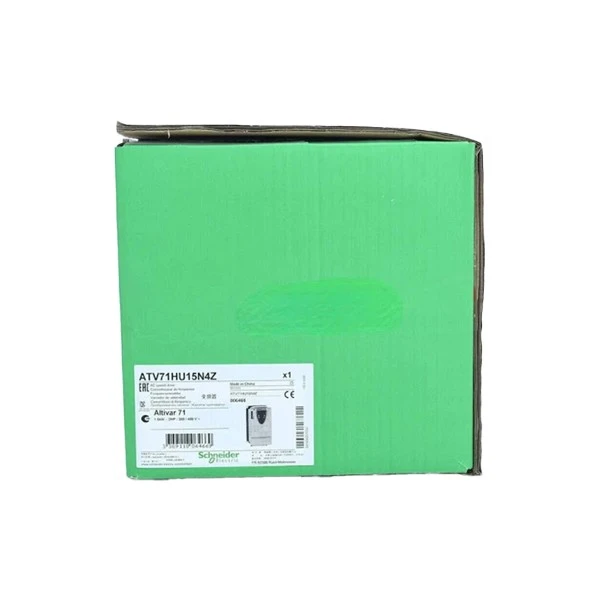
- Unexpected shutdowns: A severe voltage sag can cause the VFD to trip and shut down, resulting in production downtime and potential damage to equipment.
- Motor overheating: When the voltage drops, the VFD may increase the current to maintain the motor's torque, leading to overheating and premature motor failure.
- Component damage: Voltage sags can also cause damage to the VFD's internal components, such as capacitors, diodes, and transistors, reducing the drive's lifespan and reliability.
Strategies to Protect Schneider VFDs from Voltage Sags
1. Install a Voltage Sag Corrector
A voltage sag corrector, also known as a dynamic voltage restorer (DVR), is a device that can detect voltage sags and inject the necessary voltage to restore the normal voltage level. These devices are typically installed between the power source and the VFD and can provide fast and accurate voltage correction. By using a voltage sag corrector, you can protect your Schneider VFDs from voltage sags and ensure their continuous operation.
2. Use an Uninterruptible Power Supply (UPS)
An uninterruptible power supply (UPS) is a battery-powered device that can provide backup power during a power outage or voltage sag. By connecting your Schneider VFD to a UPS, you can ensure that the drive continues to operate even when the main power supply is interrupted. UPS systems come in various sizes and capacities, so you can choose the one that best suits your needs.
3. Implement Soft Starters
Soft starters are devices that gradually ramp up the voltage and current to the motor during startup, reducing the inrush current and torque. By using soft starters, you can minimize the impact of voltage sags on your Schneider VFDs and motors. Soft starters are particularly useful in applications where the motor is frequently started and stopped, such as conveyor systems and pumps.
4. Optimize the VFD Settings
Schneider VFDs come with a range of settings that can be adjusted to optimize their performance and protect them from voltage sags. For example, you can set the VFD's undervoltage trip level to a lower value to prevent the drive from shutting down during a minor voltage sag. You can also adjust the acceleration and deceleration times to reduce the stress on the motor and the VFD.
5. Perform Regular Maintenance
Regular maintenance is essential to ensure the reliable operation of your Schneider VFDs and protect them from voltage sags. You should perform routine inspections, cleaning, and testing of the VFDs to identify and address any potential issues before they become major problems. Additionally, you should follow the manufacturer's recommended maintenance schedule and use only genuine Schneider parts and accessories.
Case Studies
To illustrate the effectiveness of these strategies, let's take a look at some real-world case studies.
Case Study 1: A Manufacturing Facility
A manufacturing facility was experiencing frequent voltage sags, which were causing their Schneider VFDs to trip and shut down. This was resulting in significant production downtime and lost revenue. To address this issue, the facility installed a voltage sag corrector and optimized the VFD settings. As a result, the number of voltage sag-related shutdowns was reduced by over 90%, and the facility was able to improve their production efficiency and profitability.
Case Study 2: A Water Treatment Plant
A water treatment plant was using Schneider VFDs to control the pumps and motors in their facility. However, they were experiencing motor overheating and premature motor failure due to voltage sags. To solve this problem, the plant installed soft starters and a UPS system. The soft starters reduced the inrush current and torque during startup, while the UPS provided backup power during voltage sags. As a result, the motor overheating and failure rates were significantly reduced, and the plant was able to extend the lifespan of their equipment.
Conclusion
Voltage sags can pose a significant threat to the reliable operation of Schneider VFDs. However, by implementing the strategies outlined in this blog post, you can protect your VFDs from voltage sags and ensure their continuous operation. As a Schneider VFD supplier, I am committed to providing our customers with the highest quality products and services to help them optimize their VFD performance and protect their equipment from voltage sags.
If you are interested in learning more about how to protect your Schneider VFDs from voltage sags or would like to discuss your specific requirements, please contact us to start a procurement negotiation. We look forward to working with you to find the best solutions for your needs.
References
- "Voltage Sags and Interruptions: Causes, Effects, and Mitigation Techniques" by IEEE Power and Energy Society
- "Variable Frequency Drives: Principles, Applications, and Troubleshooting" by Ben Hogan
- "Schneider Electric VFD User Manuals" by Schneider Electric


