


As a supplier of Mitsubishi PLCs, I've witnessed firsthand the importance of energy efficiency in industrial automation. Mitsubishi PLCs are renowned for their reliability and performance, but reducing their power consumption can lead to significant cost savings and environmental benefits. In this blog post, I'll share some practical tips on how to reduce the power consumption of a Mitsubishi PLC.
1. Choose the Right Model
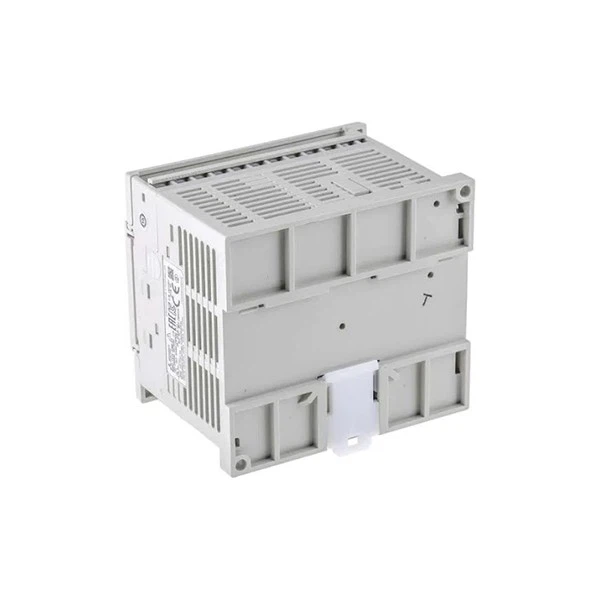
The first step in reducing power consumption is to select the appropriate Mitsubishi PLC model for your application. Different models have varying power requirements, so it's crucial to choose one that meets your needs without overspecifying. For example, if you have a small-scale automation project, the Mitsubishi FX3S 30MR ES might be a more energy-efficient choice compared to larger, more powerful models. These smaller PLCs typically have lower power ratings and can operate on less energy while still providing the necessary functionality.
2. Optimize Input and Output Configuration
Carefully configure the inputs and outputs (I/Os) of your Mitsubishi PLC to minimize power consumption. Unused I/Os can draw unnecessary power, so disable any that are not required for your application. Additionally, use the appropriate type of I/O modules based on your load requirements. For instance, if you have a low-power load, choose a module with a lower power rating.
Another aspect to consider is the use of transistor outputs instead of relay outputs when possible. Transistor outputs generally have lower power consumption and faster switching times compared to relay outputs. However, they are more suitable for DC loads, so make sure to select the right output type based on your load characteristics.
3. Implement Sleep Modes
Many Mitsubishi PLCs offer sleep modes or low-power modes that can be activated during periods of inactivity. These modes significantly reduce the power consumption of the PLC by shutting down non-essential components while still maintaining basic functionality. You can configure the PLC to enter sleep mode based on specific conditions, such as a predefined time interval or when certain input signals are detected.
For example, if your automation system operates in a cyclical manner with periods of downtime, you can program the PLC to enter sleep mode during these idle periods. When the next cycle starts, the PLC can automatically wake up and resume normal operation. This not only saves energy but also extends the lifespan of the PLC components.
4. Use Efficient Programming Techniques
The programming of your Mitsubishi PLC can also have a significant impact on its power consumption. Use efficient programming techniques to minimize the processing time and resource usage of the PLC. Avoid unnecessary loops and complex instructions that can consume more power.
One way to optimize your program is to use ladder logic programming techniques that are designed to be more energy-efficient. For example, use conditional jumps and branches to skip over unnecessary code segments, reducing the overall processing time of the program. Additionally, use timers and counters effectively to control the execution of tasks and avoid continuous polling of input signals.
5. Upgrade Firmware and Software
Regularly update the firmware and software of your Mitsubishi PLC to ensure that it is running the latest version. Mitsubishi often releases firmware updates that include performance improvements and energy-saving features. These updates can optimize the internal operations of the PLC, reducing power consumption and improving overall efficiency.
Before upgrading the firmware, make sure to back up your existing program and configuration data. Follow the manufacturer's instructions carefully to ensure a smooth and successful upgrade process.
6. Monitor and Analyze Power Consumption
Implement a power monitoring system to track the power consumption of your Mitsubishi PLC over time. This can help you identify any abnormal power consumption patterns and take corrective actions promptly. You can use power meters or energy monitoring devices to measure the power consumption of the PLC and its associated components.
Analyze the power consumption data to determine if there are any areas where further optimization is possible. For example, if you notice a sudden increase in power consumption, it could indicate a malfunction or an inefficient configuration. By monitoring and analyzing the power consumption, you can make informed decisions to improve the energy efficiency of your automation system.
7. Consider External Power Management
In addition to optimizing the PLC itself, consider using external power management devices to reduce power consumption. For example, you can use a switching power supply instead of a linear power supply. Switching power supplies are generally more efficient and can convert electrical energy more effectively, resulting in lower power consumption.
You can also use power distribution units (PDUs) with built-in power management features. These PDUs allow you to control the power supply to individual devices and can be programmed to turn off power to unused devices or during off-peak hours.
8. Train Your Staff
Ensure that your staff is trained on the proper operation and maintenance of your Mitsubishi PLC to optimize its power consumption. Provide training on energy-efficient programming techniques, input/output configuration, and the use of sleep modes. Encourage your staff to be mindful of energy consumption and to report any issues or opportunities for improvement.
By educating your staff on energy-saving practices, you can create a culture of energy efficiency within your organization and ensure that your Mitsubishi PLC is operated in the most efficient manner possible.
Conclusion
Reducing the power consumption of a Mitsubishi PLC is not only beneficial for your bottom line but also for the environment. By following the tips outlined in this blog post, you can optimize the energy efficiency of your Mitsubishi PLC and achieve significant cost savings over time.
If you're interested in learning more about our Mitsubishi PLC products or have any questions about reducing power consumption, we invite you to contact us for a detailed discussion. Our team of experts is ready to assist you in finding the right solutions for your automation needs.

References
- Mitsubishi Electric Corporation. (20XX). Mitsubishi PLC User Manuals.
- Industrial Automation Handbook. (20XX). Energy Efficiency in PLC Systems.


