


As a trusted supplier of the Omron C200H - 0D218, I understand the importance of setting appropriate alarm thresholds for this device. The Omron C200H - 0D218 is a reliable output module that plays a crucial role in many industrial automation systems. In this blog post, I will share some insights on how to set the alarm thresholds for this module, ensuring optimal performance and safety in your industrial operations.
Understanding the Omron C200H - 0D218
Before diving into the process of setting alarm thresholds, it's essential to have a basic understanding of the Omron C200H - 0D218. This output module is designed to provide reliable switching capabilities for various industrial applications. It offers high - speed response and can handle different types of loads, making it a popular choice in the automation industry.
The module's operation is based on electrical signals, and by setting appropriate alarm thresholds, you can monitor its performance and detect any potential issues early. This proactive approach can help prevent system failures, reduce downtime, and save costs in the long run.
Factors to Consider Before Setting Alarm Thresholds
- Load Requirements: Different loads have different electrical characteristics. For example, a resistive load will have a different current and voltage profile compared to an inductive or capacitive load. Understanding the load requirements is crucial as it will determine the normal operating range of the module. If the load is a motor, you need to consider factors such as starting current, running current, and peak current.
- Environmental Conditions: The environment in which the Omron C200H - 0D218 operates can also affect its performance. High temperatures, humidity, and dust can all impact the module's electrical properties. For instance, in a hot environment, the module may experience increased resistance, which can lead to higher power consumption and potential overheating. Therefore, it's important to take these environmental factors into account when setting the alarm thresholds.
- System Redundancy: If your system has redundancy built - in, you may be able to set more lenient alarm thresholds. Redundancy provides a backup in case of a module failure, allowing the system to continue operating without significant disruption. However, if there is no redundancy, you need to set more conservative alarm thresholds to ensure the safety and reliability of the system.
Step - by - Step Guide to Setting Alarm Thresholds
- Identify the Monitoring Parameters: The first step is to identify the parameters that you want to monitor. For the Omron C200H - 0D218, common monitoring parameters include current, voltage, and temperature. You can use external sensors or the module's built - in diagnostic features to measure these parameters.
- Determine the Normal Operating Range: Based on the load requirements and environmental conditions, determine the normal operating range for each monitoring parameter. For example, if the module is designed to operate with a load that has a rated current of 5A, the normal operating current may range from 4A to 6A. You can refer to the module's datasheet and the load specifications to get a more accurate estimate of the normal operating range.
- Set the Alarm Thresholds: Once you have determined the normal operating range, you can set the alarm thresholds. There are two types of alarm thresholds: high - level thresholds and low - level thresholds.
- High - level Thresholds: These are set to detect when a parameter exceeds the normal operating range. For example, if the normal operating current is between 4A and 6A, you may set the high - level threshold at 7A. If the current exceeds 7A, an alarm will be triggered, indicating a potential problem such as a short - circuit or an overloaded load.
- Low - level Thresholds: These are set to detect when a parameter falls below the normal operating range. For instance, if the normal operating voltage is between 220V and 240V, you may set the low - level threshold at 210V. A voltage below 210V could indicate a power supply issue or a problem with the module itself.
- Test and Adjust the Thresholds: After setting the alarm thresholds, it's important to test the system to ensure that the alarms are triggered correctly. You can simulate different operating conditions to verify the accuracy of the thresholds. If necessary, make adjustments to the thresholds based on the test results.
Importance of Regular Monitoring and Maintenance
Setting the alarm thresholds is not a one - time task. Regular monitoring and maintenance are essential to ensure that the thresholds remain appropriate over time. As the system ages, the electrical characteristics of the load and the module may change. For example, the resistance of a load may increase due to wear and tear, which can affect the current and voltage levels.
Regular monitoring allows you to detect any changes in the system's performance and adjust the alarm thresholds accordingly. Additionally, it helps in identifying potential issues before they escalate into major problems.

Related Omron Products
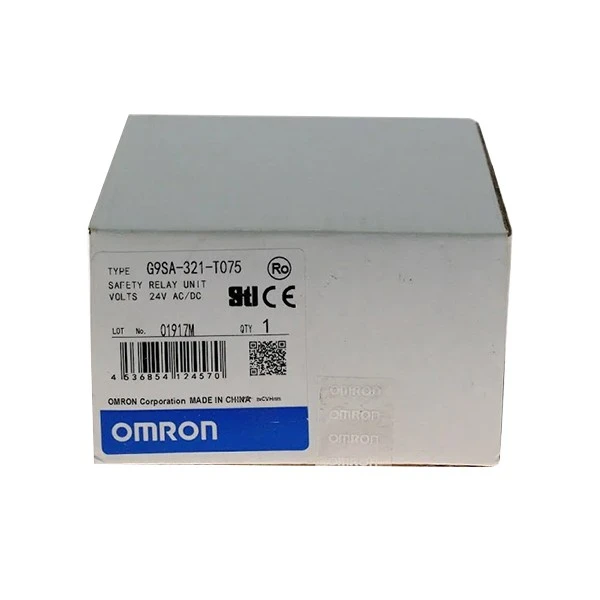
In addition to the Omron C200H - 0D218, there are other Omron products that can complement your industrial automation system. For example, the Omron C200H - ID211 PLC is a popular input module that can work in conjunction with the C200H - 0D218. The G9SA - 321 - T075 AC/DC24 Omron is a reliable relay that can be used for various switching applications. And the Omron CJ1W - DRM21 is a useful module for distributed I/O systems.
Conclusion
Setting the alarm thresholds for the Omron C200H - 0D218 is a critical step in ensuring the safety and reliability of your industrial automation system. By considering factors such as load requirements, environmental conditions, and system redundancy, and following the step - by - step guide outlined above, you can set appropriate thresholds that will help you detect and address potential issues early.
Regular monitoring and maintenance are also essential to keep the system running smoothly. If you have any questions or need further assistance in setting the alarm thresholds or in choosing the right Omron products for your application, don't hesitate to contact us for procurement and further discussions.
References
- Omron C200H - 0D218 User Manual
- Industrial Automation Handbook: Electrical and Control Systems


