


Edge computing has emerged as a revolutionary technology in the industrial automation landscape, offering enhanced efficiency, reduced latency, and improved data processing capabilities. As a leading ABB PLC supplier, I am excited to share insights on how to effectively integrate edge computing with ABB PLCs to unlock new levels of performance and innovation in industrial operations.
Understanding Edge Computing and ABB PLCs
Before delving into the integration process, it's essential to understand the fundamental concepts of edge computing and ABB PLCs. Edge computing involves processing data closer to the source, at the edge of the network, rather than sending it to a centralized cloud server for processing. This approach reduces latency, minimizes bandwidth requirements, and enhances the reliability of data processing.
ABB PLCs, on the other hand, are programmable logic controllers designed to automate industrial processes. They are widely used in various industries, including manufacturing, energy, and transportation, to control and monitor machinery, equipment, and systems. ABB PLCs offer high reliability, flexibility, and scalability, making them an ideal choice for industrial automation applications.
Benefits of Using Edge Computing with ABB PLCs
Integrating edge computing with ABB PLCs offers several benefits for industrial operations:
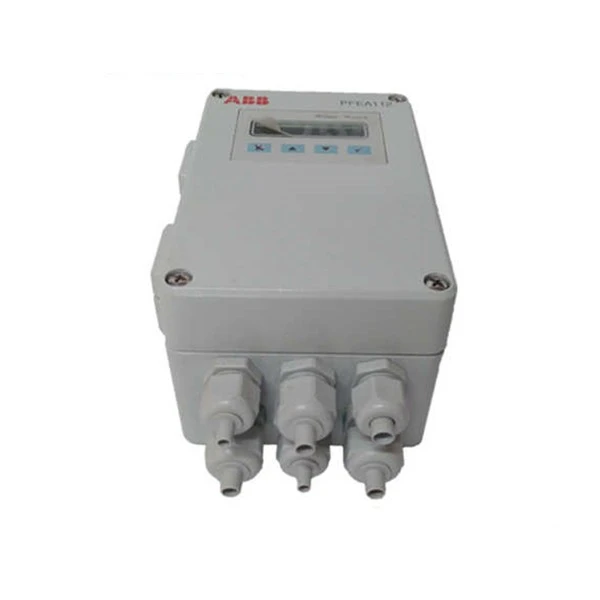

- Reduced Latency: By processing data at the edge of the network, edge computing reduces the time it takes for data to travel to and from the cloud server. This results in faster response times and improved real-time control of industrial processes.
- Enhanced Data Security: Edge computing keeps sensitive data closer to the source, reducing the risk of data breaches and cyberattacks. This is particularly important for industries that handle sensitive information, such as healthcare and finance.
- Improved Bandwidth Efficiency: Edge computing reduces the amount of data that needs to be transmitted to the cloud server, minimizing bandwidth requirements and reducing costs. This is especially beneficial for industries with limited network connectivity or high data transfer volumes.
- Increased Reliability: Edge computing provides a decentralized approach to data processing, reducing the reliance on a single centralized server. This improves the reliability and resilience of industrial systems, ensuring continuous operation even in the event of network outages or server failures.
Steps to Integrate Edge Computing with ABB PLCs
Integrating edge computing with ABB PLCs involves several steps:
- Define Your Requirements: Before implementing edge computing with ABB PLCs, it's important to define your requirements and objectives. This includes identifying the specific industrial processes you want to automate, the data you want to collect and analyze, and the performance metrics you want to achieve.
- Select the Right Edge Computing Platform: There are several edge computing platforms available in the market, each with its own features, capabilities, and pricing. When selecting an edge computing platform, consider factors such as compatibility with ABB PLCs, scalability, security, and ease of use.
- Configure Your ABB PLCs: Once you have selected an edge computing platform, you need to configure your ABB PLCs to communicate with the platform. This involves setting up the network settings, enabling data logging and monitoring, and configuring the data transfer protocols.
- Deploy the Edge Computing Platform: After configuring your ABB PLCs, you need to deploy the edge computing platform at the edge of the network. This involves installing the platform on a local server or gateway device and configuring it to communicate with the ABB PLCs.
- Develop and Deploy Edge Applications: Once the edge computing platform is deployed, you can develop and deploy edge applications to analyze the data collected from the ABB PLCs. These applications can be used to monitor industrial processes, detect anomalies, and generate alerts in real-time.
- Monitor and Optimize Performance: After deploying the edge applications, it's important to monitor and optimize their performance to ensure they are meeting your requirements and objectives. This involves analyzing the data collected from the ABB PLCs, identifying areas for improvement, and making adjustments to the edge applications as needed.
Examples of Edge Computing Applications with ABB PLCs
Here are some examples of edge computing applications with ABB PLCs:
- Predictive Maintenance: Edge computing can be used to collect and analyze data from ABB PLCs to predict when industrial equipment is likely to fail. This allows maintenance teams to schedule maintenance activities in advance, reducing downtime and increasing productivity.
- Quality Control: Edge computing can be used to monitor and analyze data from ABB PLCs to ensure that industrial products meet the required quality standards. This involves detecting defects and anomalies in real-time and taking corrective actions to prevent them from occurring.
- Energy Management: Edge computing can be used to monitor and control energy consumption in industrial facilities. This involves collecting and analyzing data from ABB PLCs to identify areas where energy can be saved and implementing energy-efficient measures to reduce costs.
- Process Optimization: Edge computing can be used to optimize industrial processes by analyzing data from ABB PLCs to identify bottlenecks and inefficiencies. This involves making adjustments to the process parameters in real-time to improve productivity and quality.
Conclusion
Integrating edge computing with ABB PLCs offers significant benefits for industrial operations, including reduced latency, enhanced data security, improved bandwidth efficiency, and increased reliability. By following the steps outlined in this blog post, you can effectively integrate edge computing with ABB PLCs to unlock new levels of performance and innovation in your industrial processes.
If you are interested in learning more about how to use edge computing with ABB PLCs or are looking for a reliable ABB PLC supplier, please feel free to contact us to discuss your requirements and explore the available options. We are committed to providing high-quality products and services to help you achieve your industrial automation goals.
References
- ABB. (n.d.). Programmable Logic Controllers. Retrieved from https://new.abb.com/products/automation/control-systems/plc
- Dell Technologies. (2021). What is Edge Computing? Retrieved from https://www.delltechnologies.com/en-us/edge-computing/what-is-edge-computing.htm
- Microsoft. (n.d.). What is Edge Computing? Retrieved from https://azure.microsoft.com/en-us/overview/what-is-edge-computing/


