


Hey there! I'm a supplier of Schneider VFDs, and I know how crucial it is to keep these devices running cool. Over - heating can cause all sorts of problems, from reduced performance to permanent damage. So, let's dive into how you can protect your Schneider VFD from over - heating.
Understanding Why Over - heating Happens
First things first, we need to understand why a VFD might over - heat. There are a few common reasons. One of the main culprits is high ambient temperature. If the area where the VFD is installed is too hot, it'll struggle to dissipate heat. Another reason could be poor ventilation. When there's not enough air flowing around the VFD, the heat builds up.
Also, overloading the VFD is a big no - no. If you're asking the VFD to handle more power than it's rated for, it's going to get hot real fast. And don't forget about dirty or clogged cooling fans. If the fans can't do their job, heat won't be removed effectively.
Proper Installation
The installation of your Schneider VFD is super important. You need to choose the right location. Make sure it's in a place with a relatively low ambient temperature. Avoid areas near heat sources like boilers or furnaces.
The VFD should be installed in a well - ventilated area. There should be enough space around it for air to circulate. As a general rule, leave at least a few inches of clearance on all sides. If you're installing multiple VFDs, space them out properly. This will prevent the heat from one VFD from affecting the others.
Ventilation is Key
Good ventilation is like a breath of fresh air for your VFD. You can use natural ventilation if possible. Install the VFD near an open window or in an area with good air movement. But in many cases, you'll need to rely on mechanical ventilation.
Install exhaust fans near the VFD. These fans can pull the hot air away from the device. Make sure the fans are clean and in good working condition. Regularly check them for any signs of damage or blockages. You can also use intake fans to bring in cool air. This creates a flow of air through the area where the VFD is located.
Cooling Systems
Some Schneider VFDs come with built - in cooling systems. These systems are designed to keep the temperature under control. But you still need to take care of them. Check the coolant levels if it's a liquid - cooled system. Make sure there are no leaks in the pipes.
If your VFD doesn't have a built - in cooling system, you might want to consider adding one. There are various types of external cooling systems available. For example, you can use a heat sink. A heat sink absorbs the heat from the VFD and dissipates it into the surrounding air.
Load Management
Don't overload your VFD. Check the device's rating and make sure you're not asking it to do more than it can handle. If you need to increase the power, consider upgrading to a larger - capacity VFD.
Monitor the load regularly. You can use monitoring tools to keep an eye on the power consumption. If you notice that the load is consistently close to the maximum rating, it's time to make some changes. Maybe you can redistribute the load among multiple VFDs or adjust the settings to reduce the power demand.
Regular Maintenance
Regular maintenance is a must. Clean the VFD regularly to remove any dust or debris. Dust can act as an insulator, preventing heat from escaping. Use a soft brush or compressed air to clean the device.

Check the electrical connections. Loose connections can cause resistance, which in turn generates heat. Make sure all the wires are tightly connected and there are no signs of corrosion.
Inspect the internal components. Look for any signs of wear or damage. Replace any faulty parts as soon as possible.
Specific Models and Their Considerations
Let's talk about some specific Schneider VFD models. The Schneider Electric Altivar 312 ATV312HU40N4 is a popular model. It's known for its reliability, but it still needs proper care to avoid over - heating. This model has a built - in cooling fan, so make sure it's clean and working well.
The Schneider Sw 2524 VFD is another great option. It might have different cooling requirements compared to other models. Check the user manual for specific instructions on ventilation and cooling.
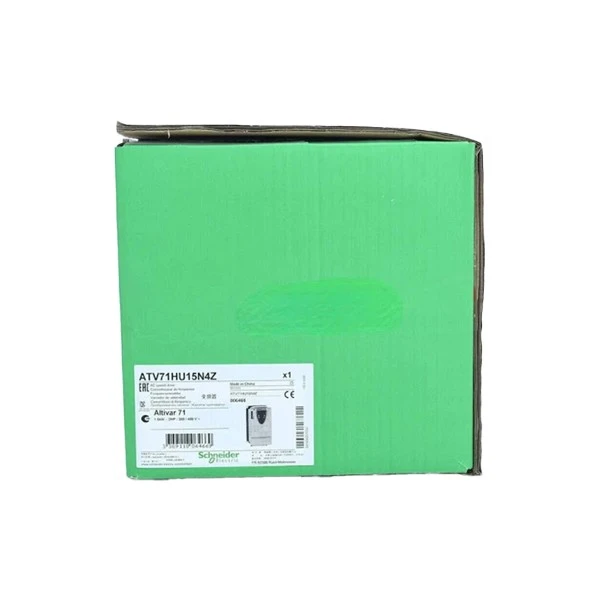
The Schneider ATV71HU15N4Z VFD is a high - performance VFD. It can generate a lot of heat, especially when it's running at full capacity. Make sure it's installed in a well - ventilated area and that you're not overloading it.
Conclusion
Protecting your Schneider VFD from over - heating is essential for its longevity and performance. By following these tips, you can ensure that your VFD stays cool and runs smoothly. Remember, proper installation, good ventilation, load management, and regular maintenance are the keys to keeping your VFD in top shape.
If you're in the market for a new Schneider VFD or need any advice on protecting your existing one from over - heating, don't hesitate to reach out. We're here to help you make the right choices and keep your equipment running at its best.
References
- Schneider Electric VFD User Manuals
- Industry standards on VFD cooling and maintenance


