


As a supplier of ABB Variable Frequency Drives (VFDs), I've witnessed firsthand the transformative impact these devices can have on HVAC (Heating, Ventilation, and Air Conditioning) systems. In this blog, I'll share insights on how to effectively use the HVAC system control function of ABB VFDs, drawing from my experience in the field.
Understanding the Basics of ABB VFDs in HVAC Systems
Before delving into the control functions, it's crucial to understand the role of ABB VFDs in HVAC systems. ABB VFDs are designed to control the speed of electric motors in HVAC equipment, such as fans and pumps. By adjusting the motor speed, VFDs can optimize energy consumption, improve system efficiency, and enhance comfort levels.
One of the key advantages of ABB VFDs is their ability to provide precise control over motor speed. This is particularly important in HVAC systems, where the demand for heating, cooling, and ventilation can vary significantly throughout the day. By adjusting the motor speed to match the actual demand, ABB VFDs can reduce energy consumption and extend the lifespan of HVAC equipment.
Key Control Functions of ABB VFDs for HVAC Systems
Speed Control
Speed control is the most basic and fundamental function of ABB VFDs in HVAC systems. By adjusting the frequency and voltage supplied to the motor, VFDs can control the motor speed. This allows HVAC systems to operate at the optimal speed for different operating conditions, such as low load or high load.
For example, in a large commercial building, the HVAC system may need to operate at a lower speed during off-peak hours to reduce energy consumption. By using an ABB VFD, the motor speed can be easily adjusted to match the lower demand, resulting in significant energy savings.

Pressure Control
Pressure control is another important function of ABB VFDs in HVAC systems. In HVAC systems, maintaining a constant pressure is essential for proper operation of fans and pumps. ABB VFDs can be used to monitor and control the pressure in the system by adjusting the motor speed.
For instance, in a ventilation system, the VFD can be programmed to maintain a constant pressure in the ductwork by adjusting the speed of the fan motor. This ensures that the ventilation system operates efficiently and provides a comfortable indoor environment.
Temperature Control
Temperature control is a critical function in HVAC systems, as it directly affects the comfort of the occupants. ABB VFDs can be integrated with temperature sensors to control the speed of the motors in heating and cooling equipment.
For example, in an air conditioning system, the VFD can be programmed to adjust the speed of the compressor motor based on the temperature in the room. If the temperature is too high, the VFD can increase the motor speed to provide more cooling. Conversely, if the temperature is too low, the VFD can decrease the motor speed to reduce energy consumption.
Using ABB VFDs for Energy Optimization in HVAC Systems
One of the main benefits of using ABB VFDs in HVAC systems is energy optimization. By adjusting the motor speed to match the actual demand, ABB VFDs can significantly reduce energy consumption.
Soft Starting and Stopping
ABB VFDs provide soft starting and stopping capabilities, which can reduce the mechanical stress on the motor and other components in the HVAC system. Soft starting gradually increases the motor speed, while soft stopping gradually decreases the motor speed. This helps to minimize the inrush current and extend the lifespan of the equipment.
Energy Efficiency Classes
ABB VFDs are available in different energy efficiency classes, which can help to further optimize energy consumption. High-efficiency VFDs are designed to operate with minimal power losses, resulting in lower energy costs.
Recommended ABB VFD Models for HVAC Systems
There are several ABB VFD models that are well-suited for HVAC systems, including:
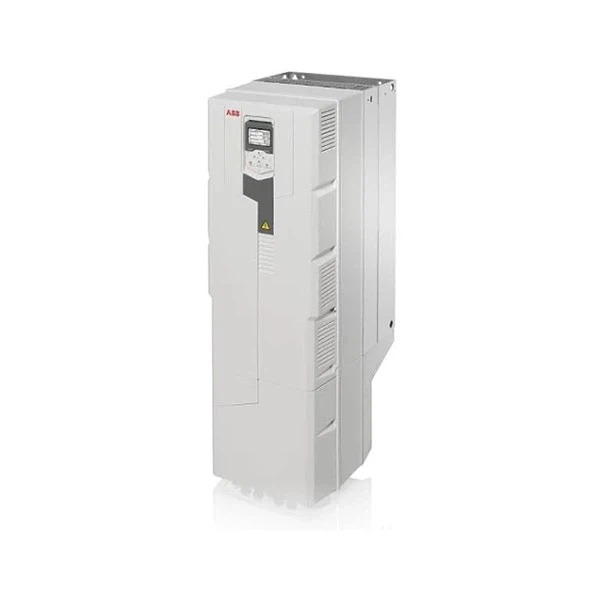
- ABB Acs580-01-169a-4 90kw Inverter: This inverter is designed for industrial applications and offers a wide range of control options. It is suitable for controlling the speed of fans and pumps in large HVAC systems.
- ABB ACS880-01-061A-3 Inverter: The ACS880 series is a high-performance VFD that provides advanced control features and energy optimization capabilities. It is ideal for use in HVAC systems that require precise control and high efficiency.
- ABB ACS310-03E-34A1-4 Inverter Drive: This drive is specifically designed for HVAC applications and offers a compact design and easy installation. It is suitable for controlling the speed of small to medium-sized fans and pumps.
Installation and Commissioning of ABB VFDs in HVAC Systems
Proper installation and commissioning are crucial for the optimal performance of ABB VFDs in HVAC systems. Here are some key steps to follow:
- Site Assessment: Before installing the VFD, conduct a thorough site assessment to determine the electrical requirements, environmental conditions, and available space.
- Mounting and Wiring: Mount the VFD in a suitable location and ensure proper wiring according to the manufacturer's instructions. Use appropriate cables and connectors to minimize electrical interference.
- Configuration and Programming: Configure the VFD settings according to the specific requirements of the HVAC system. This may include setting the motor parameters, control modes, and protection functions.
- Commissioning and Testing: After installation and configuration, perform a comprehensive commissioning and testing procedure to ensure that the VFD is operating correctly and the HVAC system is functioning optimally.
Maintenance and Troubleshooting of ABB VFDs in HVAC Systems
Regular maintenance is essential to ensure the reliable operation of ABB VFDs in HVAC systems. Here are some maintenance tasks to perform:
- Visual Inspection: Conduct regular visual inspections of the VFD to check for any signs of damage, overheating, or loose connections.
- Cleaning: Keep the VFD clean and free from dust and debris. Use a soft brush or compressed air to clean the internal components.
- Functional Testing: Perform periodic functional tests to verify the operation of the VFD and its control functions.
- Firmware Updates: Keep the VFD firmware up-to-date to ensure the latest features and performance enhancements.
In case of any issues or malfunctions, troubleshooting the ABB VFDs requires a systematic approach. Here are some common troubleshooting steps:
- Check the Display: Check the VFD display for any error messages or fault codes. Refer to the user manual for the meaning of the error messages and the recommended troubleshooting steps.
- Verify the Input and Output Signals: Use a multimeter or other testing equipment to verify the input and output signals of the VFD. Check for any abnormal voltage or current readings.
- Inspect the Wiring and Connections: Check the wiring and connections of the VFD to ensure they are secure and properly connected. Look for any loose or damaged wires.
- Contact Technical Support: If the problem persists after performing the above troubleshooting steps, contact the ABB technical support team for further assistance.
Conclusion
In conclusion, ABB VFDs offer a powerful and versatile solution for HVAC system control. By using the various control functions of ABB VFDs, such as speed control, pressure control, and temperature control, HVAC systems can operate more efficiently, reduce energy consumption, and enhance comfort levels.
As a supplier of ABB VFDs, I am committed to providing high-quality products and excellent customer service. If you are interested in learning more about how to use ABB VFDs in your HVAC system or if you are looking to purchase ABB VFDs for your project, please don't hesitate to contact me for further discussions and procurement negotiations.
References
- ABB Drives and Controls Manuals
- HVAC System Design and Installation Guidelines


