


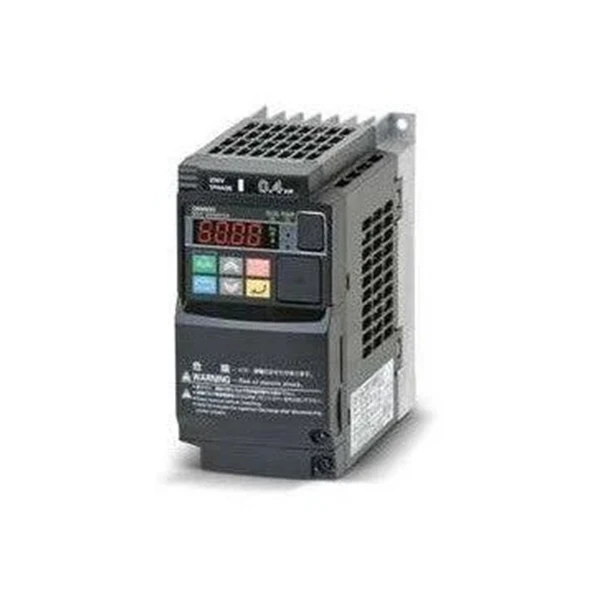
As a supplier of Omron Variable Frequency Drives (VFDs), I've had the privilege of witnessing firsthand the impact these devices can have on motor speed regulation. In this blog, I'll delve into the suitability of Omron VFDs for motor speed regulation, exploring their features, benefits, and real - world applications.
Understanding Motor Speed Regulation
Before we discuss the suitability of Omron VFDs, it's essential to understand the concept of motor speed regulation. In many industrial and commercial applications, the ability to control the speed of an electric motor is crucial. Traditional methods of motor speed control, such as mechanical belts and pulleys, are often limited in terms of flexibility and efficiency. Variable Frequency Drives offer a more precise and efficient solution by adjusting the frequency and voltage supplied to the motor, thereby controlling its speed.
Features of Omron VFDs
Omron VFDs come with a plethora of features that make them well - suited for motor speed regulation.
Precise Speed Control
One of the primary advantages of Omron VFDs is their ability to provide precise speed control. They can adjust the motor speed with high accuracy, even in challenging operating conditions. This precision is essential in applications where a specific speed is required for optimal performance, such as in conveyor systems or pumps. For example, in a food processing plant, a conveyor belt needs to move at a constant and precise speed to ensure proper handling of products. An Omron VFD can maintain this speed with minimal deviation, improving the overall efficiency of the production line.
Energy Efficiency
Energy efficiency is a major concern in today's industrial landscape. Omron VFDs are designed to optimize energy consumption by adjusting the motor speed according to the load requirements. When the load on the motor decreases, the VFD reduces the frequency and voltage supplied to the motor, resulting in significant energy savings. In a water pumping system, for instance, during periods of low water demand, the Omron VFD can slow down the pump motor, reducing energy consumption without compromising the system's functionality.
Multiple Control Modes
Omron VFDs offer a variety of control modes, including V/F control, vector control, and sensorless vector control. This flexibility allows users to choose the most appropriate control mode based on their specific application requirements. For example, in a high - performance machine tool application, vector control can provide excellent torque control and dynamic response, enabling the machine to perform complex machining operations with high precision.
Built - in Protection
Another important feature of Omron VFDs is their built - in protection mechanisms. They are equipped with over - current, over - voltage, under - voltage, and over - temperature protection, which help to safeguard the motor and the VFD itself from damage. In a harsh industrial environment, where electrical disturbances and temperature variations are common, these protection features ensure the reliable operation of the motor and the VFD.

Real - World Applications
Omron VFDs are widely used in various industries for motor speed regulation.
HVAC Systems
In heating, ventilation, and air - conditioning (HVAC) systems, Omron VFDs play a crucial role in controlling the speed of fans and pumps. By adjusting the motor speed according to the actual load requirements, they can significantly reduce energy consumption and improve the comfort level in buildings. For example, in a large office building, the VFD can control the speed of the air - handling unit fans based on the occupancy and temperature of different zones, ensuring efficient operation.
Manufacturing Industry
In the manufacturing industry, Omron VFDs are used in a wide range of applications, such as conveyor systems, packaging machines, and machine tools. In a packaging line, the VFD can control the speed of the conveyor belts and the packaging machines to ensure smooth and efficient operation. The 3G3MX2 - A2015 - E Omron is a popular choice for such applications due to its reliable performance and ease of use.
Water and Wastewater Treatment
In water and wastewater treatment plants, Omron VFDs are used to control the speed of pumps and blowers. They can adjust the flow rate and pressure according to the actual demand, improving the efficiency of the treatment process. The Omron Inverter MX2 3G3MX2 - A4022 - E is well - suited for these applications, offering high - performance motor control and energy savings.
Case Studies
Let's take a look at some real - world case studies to illustrate the effectiveness of Omron VFDs in motor speed regulation.
Case Study 1: Conveyor System in a Warehouse
A large warehouse was using a traditional conveyor system with fixed - speed motors. The system was consuming a significant amount of energy, and there were frequent breakdowns due to over - loading. After installing Omron VFDs on the conveyor motors, the warehouse was able to reduce energy consumption by up to 30%. The VFDs allowed the conveyor speed to be adjusted according to the amount of goods being transported, resulting in smoother operation and fewer breakdowns.
Case Study 2: Pumping System in a Water Treatment Plant
A water treatment plant was facing challenges in maintaining the optimal flow rate of water through its pumps. The fixed - speed pumps were either over - pumping or under - pumping, leading to inefficiencies. By installing Omron VFDs on the pumps, the plant was able to achieve precise control of the pump speed. This resulted in a 25% reduction in energy consumption and improved water treatment efficiency.
Comparison with Other Brands
When compared to other brands of VFDs, Omron VFDs have several advantages.
Reliability
Omron is known for its high - quality products and reliable performance. Their VFDs are built to withstand harsh industrial environments and have a long service life. In contrast, some other brands may have a higher failure rate, which can lead to costly downtime.
Ease of Use
Omron VFDs are designed with user - friendly interfaces, making them easy to install, commission, and operate. They also come with comprehensive user manuals and technical support, which can help users to get the most out of their VFDs. Some other brands may have complex programming requirements, which can be a challenge for non - technical users.
Compatibility
Omron VFDs are compatible with a wide range of motors, including induction motors, permanent magnet motors, and servo motors. This compatibility makes them a versatile choice for different applications. Other brands may have limited compatibility, which can restrict their use in certain applications.
Conclusion
In conclusion, Omron VFDs are highly suitable for motor speed regulation. Their precise speed control, energy efficiency, multiple control modes, and built - in protection features make them an ideal choice for a wide range of industrial and commercial applications. Whether you're in the HVAC industry, manufacturing, or water treatment, Omron VFDs can help you to improve the performance of your motor systems, reduce energy consumption, and increase reliability.
If you're interested in learning more about Omron VFDs or are considering a purchase for your motor speed regulation needs, I encourage you to reach out for a detailed discussion. We can explore how these VFDs, such as the Omron 3G3MX2 - A2007 - V1, can be tailored to your specific requirements. Let's start a conversation to find the best solution for your business.
References
- Omron Corporation. (Year). Omron Variable Frequency Drives Product Manual.
- Various industry reports on motor speed regulation and VFD applications.


