


As a supplier of Schneider HMI (Human-Machine Interface) products, I've often been asked about the energy efficiency of these devices. In this blog post, I'll delve into the topic, exploring the features and technologies that contribute to the energy performance of Schneider HMIs and providing real - world examples to illustrate their efficiency.
Understanding Energy Efficiency in HMIs
Before we assess Schneider HMIs, it's important to understand what energy efficiency means in the context of these devices. An energy - efficient HMI is one that consumes less power while still delivering high - quality performance. This not only reduces operational costs but also aligns with environmental sustainability goals. Energy consumption in HMIs is influenced by several factors, including the display technology, backlighting, processing power, and standby modes.
Schneider's Technological Innovations for Energy Efficiency
Schneider Electric has a long - standing commitment to sustainability and energy efficiency, and this is reflected in their HMI product line.
Display Technology
One of the key components of an HMI is its display. Schneider uses advanced display technologies that are designed to minimize power consumption. For example, many of their HMIs feature LCD (Liquid Crystal Display) panels with LED (Light - Emitting Diode) backlighting. LED backlighting is known for its energy - saving properties compared to traditional CCFL (Cold Cathode Fluorescent Lamp) backlighting. LEDs consume less power, have a longer lifespan, and provide better contrast and color accuracy.
The HMISTU855 Schneider Electric is a prime example of an HMI that benefits from this technology. Its LED - backlit display ensures clear visibility while using less energy, making it an ideal choice for applications where long - term operation is required.
Power Management Features
Schneider HMIs are equipped with sophisticated power management features. These features allow the HMI to adjust its power consumption based on its usage. For instance, when the HMI is in standby mode, it can significantly reduce its power draw. Some models have the ability to automatically dim the display or enter a low - power state after a period of inactivity.
The XBTGT4230 Schneider Electric comes with advanced power management settings that can be customized according to the user's requirements. This flexibility enables users to optimize energy consumption without sacrificing functionality.
Efficient Processing
The processing units in Schneider HMIs are designed to be energy - efficient. Schneider uses processors that offer a good balance between performance and power consumption. These processors are capable of handling complex tasks while using minimal energy. By optimizing the software - hardware integration, Schneider ensures that the HMI operates efficiently, reducing unnecessary power usage.
Real - World Examples of Energy Savings
To better understand the energy - saving potential of Schneider HMIs, let's look at some real - world scenarios.
Industrial Automation
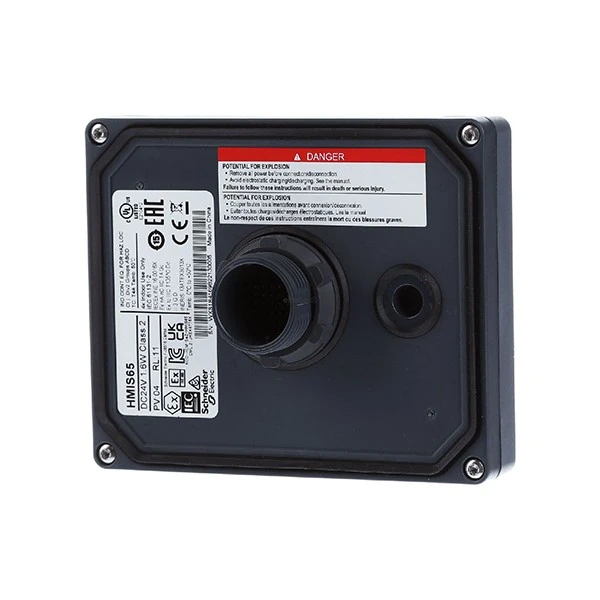
In industrial automation settings, HMIs are often in operation 24/7. A manufacturing plant that replaced its old HMIs with Schneider HMIS65 Schneider units reported a significant reduction in energy costs. The energy - efficient features of the HMIS65, such as its LED backlighting and power management settings, allowed the plant to save on electricity bills while maintaining smooth operations.
Building Automation
In building automation systems, HMIs are used to control and monitor various building functions, such as lighting, HVAC (Heating, Ventilation, and Air Conditioning), and security. Schneider HMIs in these systems can contribute to overall energy savings. For example, by providing real - time energy consumption data and allowing users to adjust settings easily, these HMIs help optimize the energy usage of the building. A commercial building that installed Schneider HMIs saw a decrease in its energy consumption by up to 15% within the first year of operation.
Comparing Schneider HMIs with Competitors
When comparing Schneider HMIs with those of its competitors, it becomes evident that Schneider's focus on energy efficiency gives it an edge. Many competing HMIs may not offer the same level of advanced display technology, power management features, or efficient processing. Schneider's commitment to sustainability means that their products are designed from the ground up to be energy - efficient, which is a significant advantage for customers looking to reduce their energy costs and environmental impact.
The Long - Term Benefits of Energy - Efficient HMIs
Investing in energy - efficient Schneider HMIs offers several long - term benefits.
Cost Savings
As mentioned earlier, energy - efficient HMIs consume less power, which directly translates into cost savings on electricity bills. Over the lifespan of the HMI, these savings can be substantial, especially in applications where the HMI is in continuous use.
Environmental Impact
Reducing energy consumption also has a positive environmental impact. By using less electricity, Schneider HMIs help reduce greenhouse gas emissions associated with power generation. This aligns with the growing global trend towards environmental sustainability and corporate social responsibility.
Reliability and Longevity
Energy - efficient HMIs often have better - designed components and power management systems, which can contribute to their reliability and longevity. Since they operate at lower power levels, there is less heat generation, which can reduce the wear and tear on the components. This means that Schneider HMIs are likely to have a longer service life, reducing the need for frequent replacements.
Conclusion
In conclusion, Schneider HMIs are indeed energy - efficient. Through advanced display technology, power management features, and efficient processing, these devices offer significant energy savings in various applications. Real - world examples have shown that they can contribute to cost reduction, environmental sustainability, and improved reliability.
If you're interested in learning more about Schneider HMIs and how they can benefit your business in terms of energy efficiency, I encourage you to reach out for a procurement discussion. Whether you're in industrial automation, building automation, or any other sector that requires HMIs, we can help you find the right solution for your needs.

References
- Schneider Electric official product documentation
- Industry reports on energy - efficient HMIs
- Case studies from customers using Schneider HMIs


