


In the realm of industrial automation, Programmable Logic Controllers (PLCs) stand as the backbone, orchestrating complex systems with precision and reliability. Among the numerous brands vying for market share, Siemens has consistently emerged as a leader, offering a comprehensive range of PLC modules that outshine the competition. As a dedicated Siemens PLC module supplier, I have witnessed firsthand the transformative impact these modules can have on industrial operations. In this blog post, I will delve into the distinct advantages of using Siemens PLC modules over other brands, highlighting their technological superiority, reliability, and flexibility.
Technological Superiority
Siemens is at the forefront of technological innovation, constantly pushing the boundaries of what is possible in industrial automation. Their PLC modules are equipped with cutting-edge features and capabilities that enable seamless integration, high-speed processing, and advanced diagnostics.
One of the key technological advantages of Siemens PLC modules is their support for Industry 4.0 and the Internet of Things (IoT). With built-in communication interfaces such as Ethernet, Profibus, and Profinet, Siemens PLC modules can easily connect to other devices and systems, enabling real-time data exchange and remote monitoring. This connectivity allows for greater visibility into industrial processes, enabling proactive maintenance and optimization.
For example, the SIMATIC ET200SP is a modular distributed I/O system that offers high performance and flexibility. It features a wide range of I/O modules, including digital, analog, and specialty modules, and can be easily configured to meet the specific requirements of any application. The SIMATIC ET200SP also supports hot swapping, which means that modules can be replaced without shutting down the system, minimizing downtime and increasing productivity.
Another technological advantage of Siemens PLC modules is their advanced programming environment. Siemens offers a powerful and intuitive programming software called TIA Portal, which provides a unified platform for programming, commissioning, and maintaining Siemens automation systems. TIA Portal supports a variety of programming languages, including ladder logic, function block diagram, and structured text, and offers a wide range of tools and libraries to simplify the development process.
Reliability
Reliability is a critical factor in industrial automation, where downtime can result in significant losses. Siemens PLC modules are renowned for their high reliability and durability, making them the preferred choice for mission-critical applications.
One of the key factors contributing to the reliability of Siemens PLC modules is their rigorous testing and quality control processes. Siemens adheres to strict international standards and undergoes extensive testing to ensure that their products meet the highest quality and reliability requirements. This includes environmental testing, electromagnetic compatibility testing, and functional testing to ensure that the modules can operate reliably in harsh industrial environments.
In addition, Siemens PLC modules are designed with redundant components and fault tolerance features to minimize the risk of system failures. For example, the SIMATIC S7 DP Electronic Module offers redundant power supplies and communication interfaces, ensuring that the system can continue to operate even in the event of a single component failure.
Another factor contributing to the reliability of Siemens PLC modules is their long service life. Siemens uses high-quality materials and components in their products, and their modules are designed to withstand the rigors of continuous operation. This means that Siemens PLC modules can provide reliable performance for many years, reducing the total cost of ownership.
Flexibility
Flexibility is another key advantage of Siemens PLC modules. They offer a wide range of modules and configurations to meet the specific requirements of any application, making them suitable for a variety of industries and applications.
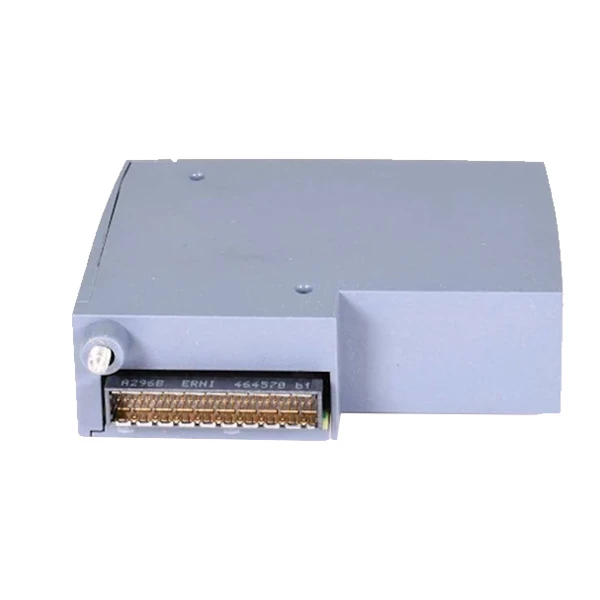
One of the key features of Siemens PLC modules is their modular design. This allows users to easily customize their systems by adding or removing modules as needed, without having to replace the entire system. For example, the Siemens 6ES7193-4CD20-0AA0 is a SIMATIC DP interface module that can be used to connect a variety of I/O modules to a Profibus network. It offers a high degree of flexibility, allowing users to configure their systems to meet the specific requirements of their application.
In addition, Siemens PLC modules support a variety of communication protocols, including Ethernet, Profibus, and Profinet. This allows them to easily integrate with other devices and systems, enabling seamless communication and data exchange. For example, Siemens PLC modules can be used to connect to sensors, actuators, HMIs, and other automation devices, allowing for a comprehensive and integrated automation solution.

Cost-Effectiveness
While Siemens PLC modules may have a higher upfront cost compared to some other brands, they offer significant cost savings in the long run. Their high reliability and long service life mean that they require less maintenance and replacement, reducing the total cost of ownership.
In addition, Siemens PLC modules offer a high degree of flexibility, which means that they can be easily customized to meet the specific requirements of any application. This reduces the need for expensive custom solutions, further reducing the cost of implementation.
Support and Service
As a Siemens PLC module supplier, I understand the importance of providing excellent support and service to our customers. Siemens offers a comprehensive range of support and service options, including technical support, training, and maintenance.
Siemens has a global network of technical support engineers who are available 24/7 to provide assistance with installation, commissioning, and troubleshooting. They also offer a wide range of training courses and resources to help users get the most out of their Siemens automation systems.
In addition, Siemens offers a variety of maintenance services, including preventive maintenance, predictive maintenance, and emergency repair. These services help to ensure that Siemens PLC modules continue to operate reliably and efficiently, minimizing downtime and maximizing productivity.
Conclusion
In conclusion, Siemens PLC modules offer a number of distinct advantages over other brands, including technological superiority, reliability, flexibility, cost-effectiveness, and support and service. As a Siemens PLC module supplier, I am confident in the quality and performance of these modules, and I believe that they are the best choice for industrial automation applications.
If you are interested in learning more about Siemens PLC modules or would like to discuss your specific requirements, please contact me. I would be happy to provide you with more information and help you find the right solution for your application.
References
- Siemens AG. (2023). SIMATIC ET 200SP - Distributed I/O system for the future. Retrieved from https://new.siemens.com/global/en/products/automation/et-200sp.html
- Siemens AG. (2023). SIMATIC S7 - High-performance automation systems. Retrieved from https://new.siemens.com/global/en/products/automation/simatic-s7.html
- Siemens AG. (2023). Totally Integrated Automation Portal (TIA Portal). Retrieved from https://new.siemens.com/global/en/products/automation/tia-portal.html


