


Hey there! As a supplier of Mitsubishi VFDs (Variable Frequency Drives), I've seen my fair share of installation errors. In this blog, I'll share some common mistakes people make when installing Mitsubishi VFDs and how you can avoid them.
1. Incorrect Power Supply Connection
One of the most common installation errors is getting the power supply connection wrong. Mitsubishi VFDs come with specific voltage and frequency requirements, and if you don't connect them properly, it can lead to serious issues.
For example, if you connect a VFD that's designed for a 220V power supply to a 440V line, you're likely to fry the drive. Similarly, using the wrong frequency can cause the motor to run inefficiently or not at all.
How to Avoid It:
- Always double - check the power supply requirements in the VFD's manual. The manual will clearly state the acceptable voltage and frequency ranges.
- Use a multimeter to verify the actual voltage and frequency of your power source before making the connection.
- If you're unsure, consult an electrician or reach out to our technical support team.
2. Poor Grounding
Grounding is crucial for the safe and proper operation of Mitsubishi VFDs. A poor or improper ground connection can result in electrical noise, interference, and even pose a safety hazard.
When a VFD is not grounded correctly, it can cause erratic behavior, such as false trips or malfunctions. Electrical noise can also affect other equipment in the vicinity.
How to Avoid It:
- Follow the grounding instructions in the VFD's installation manual precisely. It will tell you the proper way to connect the ground wire, including the size of the wire and the location of the grounding point.
- Ensure that the grounding connection is tight and free of corrosion. Loose or corroded connections can increase resistance and reduce the effectiveness of the grounding.
- Periodically inspect the grounding connection to make sure it remains in good condition.
3. Incorrect Motor Wiring
Connecting the VFD to the motor incorrectly is another frequent error. The VFD needs to be wired to the motor in a specific way to ensure that the motor runs smoothly and efficiently.
If the wiring is wrong, the motor may run in the wrong direction, overheat, or not start at all. This can also damage the motor and the VFD over time.
How to Avoid It:
- Refer to the wiring diagram in the VFD's manual. The diagram will show you how to connect each wire from the VFD to the motor.
- Label the motor wires before disconnecting them from the old controller or during the installation process. This will help you ensure that you connect them correctly to the VFD.
- Test the motor's rotation direction after wiring. If it's running in the wrong direction, you can usually correct it by swapping two of the motor wires at the VFD output.
4. Inadequate Ventilation
Mitsubishi VFDs generate heat during operation, and they need proper ventilation to dissipate this heat. If the VFD is installed in an enclosed space without adequate ventilation, it can overheat, which can lead to component failure and reduced lifespan.
Overheating can cause the VFD to shut down automatically to protect itself, resulting in production downtime.
How to Avoid It:
- Install the VFD in a well - ventilated area. Make sure there is enough space around the VFD for air to circulate.
- Check the ventilation requirements in the VFD's manual. Some VFDs may require additional fans or ventilation ducts to maintain the proper operating temperature.
- Monitor the temperature of the VFD during operation. If it's running too hot, you may need to improve the ventilation or relocate the VFD to a cooler area.
5. Improper Parameter Setting
Setting the VFD parameters incorrectly is a common mistake that can prevent the VFD from operating as expected. The parameters control various aspects of the VFD's operation, such as motor speed, acceleration and deceleration times, and torque control.
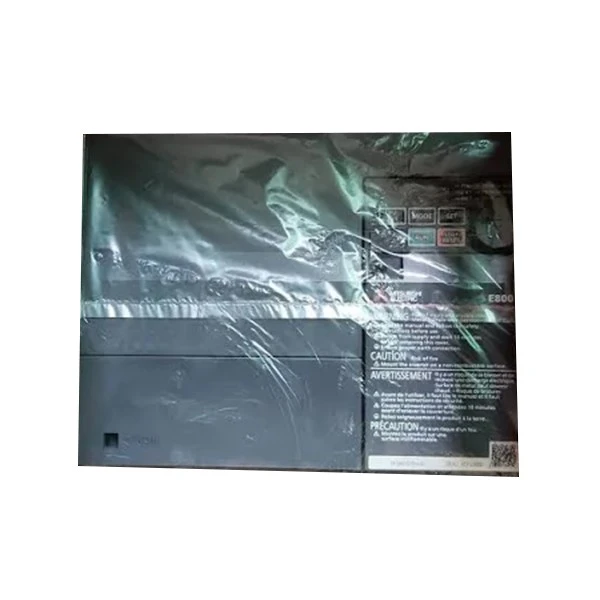

If the parameters are not set correctly, the motor may not perform as required, and the VFD may not communicate properly with other devices in the system.
How to Avoid It:
- Read the VFD's manual thoroughly to understand the function of each parameter. The manual will provide guidance on how to set the parameters for different applications.
- Start with the default parameter settings and then make adjustments based on your specific requirements. It's often a good idea to make small changes and test the VFD's operation after each change.
- If you're still having trouble setting the parameters, our technical support team can assist you. We can also provide training on how to configure the VFD for your particular application.
Recommended Mitsubishi VFD Models
We offer a wide range of Mitsubishi VFDs to meet different needs. Here are some popular models:
- FR - E740 - 0.4K - CHT Mitsubishi E700 Series Inverter: This is a compact and cost - effective VFD suitable for small to medium - sized motors. It's easy to install and operate, making it a great choice for a variety of applications.
- Mitsubishi Electric FR - E840 - 0120 - 4 - 60: This high - performance VFD offers advanced features and precise control. It's ideal for applications that require high accuracy and reliability.
- Mitsubishi Fr - e720 - 0.4k Inverter: Another great option for small motors, the Fr - e720 - 0.4k is known for its energy - saving capabilities and user - friendly interface.
Conclusion
Installing a Mitsubishi VFD correctly is essential for its proper operation and longevity. By avoiding these common installation errors, you can ensure that your VFD runs smoothly and efficiently, minimizing downtime and maintenance costs.
If you're in the market for a Mitsubishi VFD or need help with installation, configuration, or troubleshooting, don't hesitate to contact us. Our team of experts is here to assist you every step of the way. Whether you're a small business owner or part of a large industrial operation, we have the right VFD solution for you. Reach out to us today to start a procurement discussion and find the best fit for your needs.
References
- Mitsubishi VFD Installation Manuals
- Electrical Installation Standards and Guidelines


