


Hey there! I'm a supplier of Schneider PLCs, and today I wanna chat about the electromagnetic compatibility (EMC) requirements for these amazing devices.
First things first, what exactly is EMC? Well, in simple terms, EMC refers to the ability of an electrical or electronic device to operate as intended within its electromagnetic environment without causing unacceptable electromagnetic interference to other devices in that same environment. For Schneider PLCs, meeting these EMC requirements is crucial for reliable and efficient operation.
Schneider PLCs are used in a wide range of industrial applications, from manufacturing plants to power distribution systems. In these environments, there are all sorts of electrical and electronic equipment operating simultaneously, generating electromagnetic fields and interference. If a Schneider PLC doesn't meet the proper EMC standards, it could cause malfunctions in other devices or even experience problems itself.

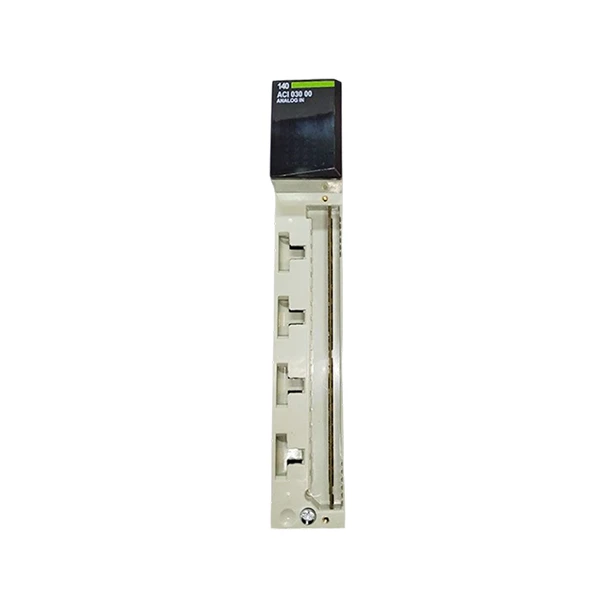
One of the key EMC requirements for Schneider PLCs is to limit the amount of electromagnetic emissions they produce. These emissions can come in the form of radio frequency interference (RFI) or electromagnetic interference (EMI). To comply with regulations, Schneider designs its PLCs with shielding and filtering techniques to reduce these emissions. For example, the Schneider Electric TM221CE40R is built with advanced shielding materials that help contain the electromagnetic fields generated by its internal components. This not only helps the PLC meet EMC requirements but also protects it from external interference.
Another important aspect of EMC is immunity. This means that the Schneider PLC should be able to operate properly even when exposed to external electromagnetic interference. There are various sources of external interference, such as lightning, power surges, and radio waves from nearby transmitters. Schneider PLCs are tested to ensure they can withstand these types of interference. The Schneider 140ACO13000, for instance, undergoes rigorous testing to verify its immunity to different levels of electromagnetic interference. This ensures that it can continue to function accurately and reliably in harsh industrial environments.
When it comes to communication modules, like the Schneider VW3A3627 Communication Module, EMC requirements are also critical. These modules are responsible for sending and receiving data between the PLC and other devices, and any interference can disrupt the communication process. Schneider has implemented special design features in these modules to enhance their EMC performance. For example, they use high - quality isolation transformers and signal conditioning circuits to reduce the impact of electromagnetic interference on the data transmission.
In addition to the design and manufacturing aspects, proper installation and grounding are essential for meeting EMC requirements. When installing a Schneider PLC, it's important to follow the manufacturer's guidelines carefully. This includes proper cable routing, using shielded cables, and ensuring a good grounding system. A poorly installed PLC may not meet the EMC standards even if it's designed to do so.
Let's talk a bit about the standards and regulations that Schneider PLCs need to comply with. In Europe, the most common standard is the EN 61000 series. This series of standards covers various aspects of EMC, including emissions, immunity, and electrostatic discharge (ESD) protection. In the United States, the Federal Communications Commission (FCC) has its own set of regulations regarding electromagnetic emissions. Schneider ensures that its PLCs meet these international and regional standards to be able to be sold and used in different markets around the world.
Now, you might be wondering why all these EMC requirements matter so much. Well, for one thing, compliance with EMC standards is often a legal requirement in many countries. If a company uses non - compliant PLCs, they could face fines and legal issues. More importantly, reliable operation of the PLC is crucial for the overall performance of the industrial system. A malfunctioning PLC due to EMC problems can lead to production downtime, quality issues, and even safety hazards.
As a supplier of Schneider PLCs, I can tell you that we take these EMC requirements very seriously. We work closely with Schneider to ensure that we're providing our customers with only the highest - quality, EMC - compliant products. If you're in the market for Schneider PLCs, whether it's the Schneider Electric TM221CE40R, the Schneider 140ACO13000, or the Schneider VW3A3627 Communication Module, you can trust that our products will meet all the necessary EMC standards.
If you're interested in learning more about our Schneider PLC products or have specific requirements for your project, I'd love to chat with you. Whether you're just starting to explore your options or you're ready to make a purchase, we're here to help. Let's have a talk about how we can meet your needs and get the right Schneider PLCs for your application.
References
- Schneider Electric official product documentation
- EN 61000 series standards
- Federal Communications Commission (FCC) regulations


