


As a trusted supplier of Allen - Bradley PLCs, I understand the critical importance of programming security in industrial automation. Allen - Bradley PLCs are widely used across various industries, from manufacturing to energy, due to their reliability and performance. However, with the increasing connectivity of these systems to the digital world, programming security has become a top concern. In this blog, I will explore the programming security measures for Allen - Bradley PLCs to ensure that your industrial operations remain safe and efficient.
Understanding the Threat Landscape
Before delving into the security measures, it's essential to understand the potential threats that Allen - Bradley PLCs face. In today's interconnected world, industrial control systems are no longer isolated. They are often connected to corporate networks, the Internet of Things (IoT) devices, and even the public internet in some cases. This connectivity exposes them to a variety of threats, including malware attacks, unauthorized access, and data breaches.
Malware, such as viruses and worms, can infect the PLC's programming and disrupt its normal operation. Unauthorized access allows malicious actors to modify the PLC's programs, leading to incorrect control of industrial processes. Data breaches can result in the leakage of sensitive information, such as production schedules, process parameters, and intellectual property.
Physical Security
The first line of defense for Allen - Bradley PLCs is physical security. Ensuring that the PLC hardware is physically protected can prevent unauthorized access to the device. Here are some physical security measures:
- Secure Enclosures: Place the PLCs in locked cabinets or enclosures to prevent unauthorized physical access. These enclosures should be made of sturdy materials and be resistant to tampering.
- Restricted Access Areas: Limit access to the areas where the PLCs are installed. Only authorized personnel should be allowed to enter these areas, and proper identification and access control systems should be in place.
- Environmental Controls: Maintain proper environmental conditions, such as temperature and humidity, in the areas where the PLCs are located. Extreme environmental conditions can damage the hardware and potentially affect the security of the programming.
Network Security
Network security is crucial in protecting Allen - Bradley PLCs from cyber threats. Since many PLCs are now connected to networks, it's essential to implement robust network security measures.
- Firewalls: Install firewalls between the PLC network and other networks, such as the corporate network or the internet. Firewalls can block unauthorized network traffic and prevent external attacks from reaching the PLCs.
- Network Segmentation: Segment the network to isolate the PLCs from other parts of the network. This can limit the spread of malware and unauthorized access if a security breach occurs in one part of the network.
- VPNs: If remote access to the PLCs is required, use virtual private networks (VPNs). VPNs encrypt the network traffic between the remote user and the PLC, ensuring the confidentiality and integrity of the communication.
Authentication and Authorization
Proper authentication and authorization mechanisms are essential to ensure that only authorized personnel can access and modify the Allen - Bradley PLC programming.
- User Accounts: Create unique user accounts for each person who needs access to the PLC programming. Each user account should have a strong password that meets the company's password policy.
- Role - Based Access Control (RBAC): Implement RBAC to assign different levels of access rights to different users based on their roles. For example, operators may only have read - only access to the programming, while engineers may have full read and write access.
- Multi - Factor Authentication (MFA): Consider using MFA for an extra layer of security. MFA requires users to provide two or more forms of identification, such as a password and a one - time code sent to their mobile device.
Program Backup and Recovery
Regularly backing up the Allen - Bradley PLC programming is an important security measure. In the event of a security breach, program corruption, or hardware failure, having a recent backup can help restore the system to its normal state quickly.
- Automated Backups: Set up automated backup processes to ensure that the programming is backed up at regular intervals. These backups should be stored in a secure location, preferably off - site.
- Testing Backups: Periodically test the backups to ensure that they are valid and can be used to restore the PLC programming if needed.
Software Updates and Patch Management
Allen - Bradley regularly releases software updates and patches to address security vulnerabilities and improve the performance of their PLCs. Keeping the PLC software up - to - date is crucial for maintaining security.
- Regular Updates: Establish a schedule for checking and installing software updates and patches. This should be done as soon as possible after they are released to ensure that the PLC is protected against the latest threats.
- Testing Updates: Before applying updates to the production environment, test them in a staging environment to ensure that they do not cause any compatibility issues or disrupt the normal operation of the PLC.
Secure Programming Practices
When programming Allen - Bradley PLCs, it's important to follow secure programming practices to prevent security vulnerabilities from being introduced into the code.
- Input Validation: Validate all inputs to the PLC programs to prevent buffer overflows and other input - related attacks. Only accept input values that are within the expected range.
- Least Privilege Principle: Follow the least privilege principle when writing programs. Only grant the minimum level of access and permissions required for the program to function correctly.
- Code Review: Conduct regular code reviews to identify and fix any security vulnerabilities in the PLC programming. This can help catch potential issues before they are exploited.
Monitoring and Auditing
Continuous monitoring and auditing of the Allen - Bradley PLCs can help detect and respond to security threats in a timely manner.
- Intrusion Detection Systems (IDS): Install IDS to monitor the network traffic and detect any signs of unauthorized access or malicious activity. IDS can generate alerts when suspicious behavior is detected.
- Log Analysis: Regularly analyze the system logs of the PLCs to identify any abnormal activities. Logs can provide valuable information about who accessed the system, when they accessed it, and what actions they performed.
- Security Audits: Conduct regular security audits to assess the overall security posture of the PLCs. These audits can help identify any weaknesses in the security measures and recommend improvements.
Product - Specific Considerations
When dealing with specific Allen - Bradley PLC models, such as the Allen Bradley 1756 - L74 Controller, the 1794 - AENTR Allen Bradley, and the Allen Bradley 1794 - OE12, it's important to understand their unique security features and requirements.
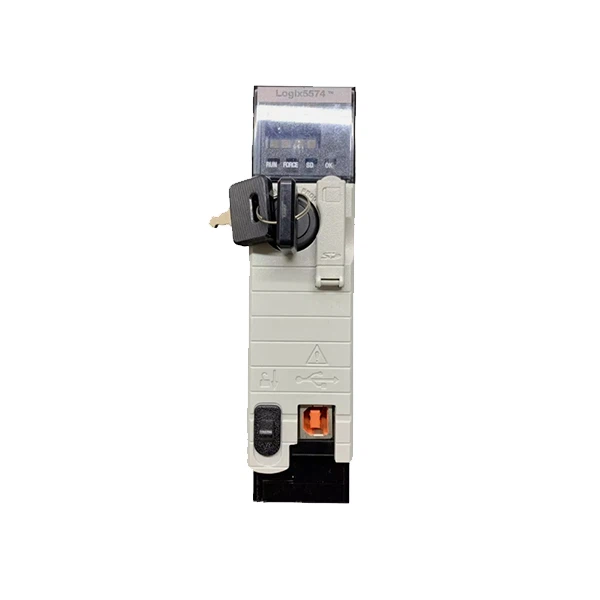
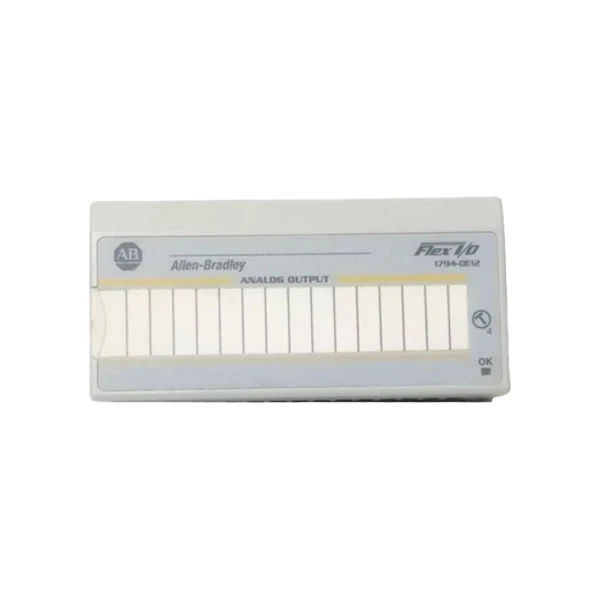
- Model - Specific Security Settings: Each model may have specific security settings that need to be configured correctly. Refer to the product documentation for detailed instructions on how to set up the security features for each model.
- Compatibility with Security Measures: Ensure that the security measures you implement are compatible with the specific PLC models you are using. Some older models may have limitations in terms of the security features they support.
Conclusion
Programming security for Allen - Bradley PLCs is a multi - faceted challenge that requires a comprehensive approach. By implementing physical security, network security, authentication and authorization mechanisms, program backup and recovery, software updates, secure programming practices, and monitoring and auditing, you can significantly enhance the security of your industrial automation systems.
As a supplier of Allen - Bradley PLCs, I am committed to helping you protect your investments and ensure the safe and efficient operation of your industrial processes. If you have any questions about programming security or are interested in purchasing Allen - Bradley PLCs, please feel free to contact us for further discussion and procurement negotiations.
References
- Allen - Bradley PLC User Manuals
- Industrial Control System Security Best Practices Guides
- Cybersecurity Standards and Regulations for Industrial Automation


