


Hey there! As a supplier of Siemens PLC modules, I often get asked about the output current capacity of Siemens digital output modules. It's a crucial topic, especially for those in the industrial automation field, as understanding this capacity helps in proper system design and operation. So, let's dive right in and explore what the output current capacity of these modules is all about.
First off, what exactly is output current capacity? In simple terms, it's the maximum amount of electrical current that a digital output module can safely supply to connected loads. This is important because if you exceed the rated current capacity, it can lead to overheating, component damage, and even system failures.
Siemens offers a wide range of digital output modules, each with its own specific output current capacity. The capacity can vary depending on several factors, such as the module's type, model, and the technology it uses.
For example, some of the basic standalone digital output modules might have a relatively lower output current capacity, typically in the range of a few hundred milliamperes (mA). These are suitable for driving small loads like indicator lights, relays with low coil currents, or small solenoids.

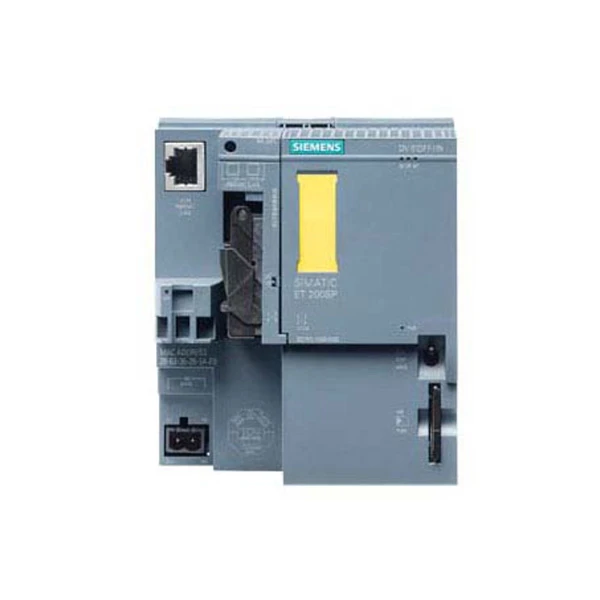
On the other hand, more advanced and high - power digital output modules can handle much higher currents. They can supply currents in the range of several amperes (A). These are used for driving larger loads such as motors, high - power solenoids, and heavy - duty relays.
Let's take a look at some specific Siemens digital output modules and their output current capacities. The Siemens 6ES7131 - 7RF00 - 0AB0 is a popular module. It has a certain output current capacity that is designed to meet the requirements of a variety of industrial applications. This module is known for its reliability and flexibility, and its output current capacity is carefully calibrated to ensure stable operation of the connected loads.
Another module, the Siemens 6ES7512 - 1SK01 - 0AB0, is part of the Siemens S7 - 1500 series. These modules are often used in more complex and demanding industrial automation systems. The output current capacity of this module is optimized to handle the high - power loads that are common in such systems.
The Siemens 6GK7343 - 1EX30 - 0XE0 is also an important component in the Siemens product lineup. While it's more focused on communication aspects in some cases, it also has its own set of electrical characteristics related to power output and the ability to drive certain types of loads, which are tied to its output current capacity.
When choosing a Siemens digital output module based on output current capacity, there are a few things you need to keep in mind. First, you need to accurately determine the current requirements of your loads. This involves looking at the specifications of the devices you want to connect to the module, such as the rated current of a motor or the coil current of a relay.
It's also a good idea to add a safety margin. In real - world applications, there can be transient currents or unexpected power surges. By choosing a module with a slightly higher output current capacity than your calculated load requirements, you can ensure that the module operates within a safe range and has some buffer for these unforeseen situations.
Another factor to consider is the number of loads you want to connect to a single module. If you have multiple loads, you need to make sure that the total current draw of all the loads does not exceed the output current capacity of the module. Sometimes, it might be necessary to use multiple modules or distribute the loads across different modules to stay within the capacity limits.
The environment in which the module will operate also plays a role. High - temperature environments can reduce the effective output current capacity of a module. So, if your application is in a hot industrial setting, you may need to choose a module with a higher rated capacity to compensate for the temperature - related degradation.
In addition to the technical aspects of output current capacity, Siemens digital output modules are known for their quality and performance. They are built with advanced technology and undergo rigorous testing to ensure long - term reliability. The company also provides excellent support and documentation, which can be very helpful when it comes to installation, configuration, and troubleshooting.
As a supplier, I've seen firsthand how important it is to have the right digital output module with the appropriate output current capacity. It can make a huge difference in the efficiency and reliability of an industrial automation system. Whether you're setting up a new system or upgrading an existing one, getting the output current capacity right is a key step.
If you're in the process of planning an industrial automation project or need to replace some existing modules, I'd be more than happy to help. I have in - depth knowledge of Siemens PLC modules and can assist you in choosing the right digital output module based on your specific output current requirements. Just reach out to me, and we can start a discussion about your project needs.
In conclusion, understanding the output current capacity of Siemens digital output modules is essential for anyone involved in industrial automation. By carefully considering the load requirements, adding a safety margin, and taking into account environmental factors, you can select the right module for your application. And as your Siemens PLC module supplier, I'm here to support you every step of the way. So, don't hesitate to get in touch if you have any questions or need help with your procurement.
References
- Siemens official product documentation
- Industrial automation textbooks and manuals


