


As a reputable supplier of Omron Variable Frequency Drives (VFDs), I've encountered numerous inquiries about the output voltage waveform of these devices. Understanding the output voltage waveform is crucial for anyone looking to optimize the performance of their industrial equipment powered by Omron VFDs. In this blog post, I'll delve into the intricacies of the output voltage waveform of Omron VFDs, explaining its characteristics, factors that influence it, and its significance in various applications.
Understanding the Basics of Output Voltage Waveform
The output voltage waveform of a VFD is the pattern of voltage variation over time at the drive's output terminals. This waveform is essential because it directly affects the performance and lifespan of the motor connected to the VFD. In the case of Omron VFDs, the output voltage waveform is designed to mimic a sinusoidal waveform as closely as possible. A sinusoidal waveform is ideal because it minimizes harmonic distortion, reduces motor heating, and improves overall motor efficiency.
Omron VFDs use pulse width modulation (PWM) techniques to generate the output voltage waveform. PWM involves rapidly switching the DC voltage from the drive's DC bus on and off at a high frequency. By varying the width of these pulses, the VFD can create an output voltage waveform that approximates a sine wave. This method allows for precise control of the motor's speed and torque while maintaining high efficiency.
Characteristics of Omron VFD Output Voltage Waveform
The output voltage waveform of Omron VFDs typically exhibits several key characteristics:
Sinusoidal Shape
As mentioned earlier, Omron VFDs strive to produce a sinusoidal output voltage waveform. A sinusoidal waveform is smooth and continuous, with a well - defined frequency and amplitude. This shape is beneficial for motors because it reduces the stress on the motor windings and bearings, leading to longer motor life and less maintenance.
Variable Frequency and Amplitude
One of the primary functions of a VFD is to vary the frequency and amplitude of the output voltage to control the motor's speed. Omron VFDs can adjust the frequency over a wide range, typically from 0.1 Hz to several hundred Hz. The amplitude of the output voltage is also adjusted proportionally to the frequency to maintain a constant volts - per - hertz (V/Hz) ratio. This ratio is critical for ensuring that the motor operates within its designed magnetic flux density, preventing overheating and other issues.
Low Harmonic Distortion
Harmonics are unwanted frequencies that can distort the output voltage waveform. High levels of harmonic distortion can cause problems such as motor overheating, increased power losses, and interference with other electrical equipment. Omron VFDs are designed to minimize harmonic distortion through advanced PWM algorithms and filtering techniques. This results in a cleaner output voltage waveform that is more compatible with motors and other electrical devices.
Factors Influencing the Output Voltage Waveform
Several factors can influence the output voltage waveform of Omron VFDs:
Load Characteristics
The type of load connected to the VFD can have a significant impact on the output voltage waveform. Inductive loads, such as motors, tend to smooth out the voltage waveform to some extent. However, if the load has a high inrush current or is highly non - linear, it can cause additional harmonic distortion. For example, a motor with a large inertia or a compressor with a high starting torque may draw more current during startup, which can affect the waveform.

Carrier Frequency
The carrier frequency is the frequency at which the PWM switches operate. A higher carrier frequency generally results in a smoother output voltage waveform with lower harmonic distortion. However, increasing the carrier frequency also increases the switching losses in the VFD, which can reduce its efficiency. Omron VFDs allow users to adjust the carrier frequency within a certain range to balance between waveform quality and efficiency.
VFD Settings
The settings on the Omron VFD, such as the acceleration and deceleration times, can also affect the output voltage waveform. For example, a very short acceleration time can cause a sudden increase in current, which may distort the waveform. By properly configuring these settings, users can optimize the output voltage waveform for their specific application.
Significance of Output Voltage Waveform in Different Applications
The output voltage waveform of Omron VFDs plays a crucial role in various applications:
Industrial Automation
In industrial automation, motors are used to drive conveyor belts, pumps, fans, and other equipment. A clean and stable output voltage waveform ensures smooth operation of these motors, reducing the risk of equipment failure and downtime. For example, in a manufacturing plant, a conveyor belt powered by an Omron VFD with a high - quality output voltage waveform can operate more efficiently, leading to increased productivity.
HVAC Systems
Heating, ventilation, and air conditioning (HVAC) systems rely on VFDs to control the speed of fans and pumps. A sinusoidal output voltage waveform helps to reduce noise and vibration in these systems, improving the comfort of building occupants. Additionally, it can lead to energy savings by allowing the motors to operate at optimal speeds.
Specific Omron VFD Models and Their Waveform Performance
Let's take a look at some specific Omron VFD models and their waveform performance:
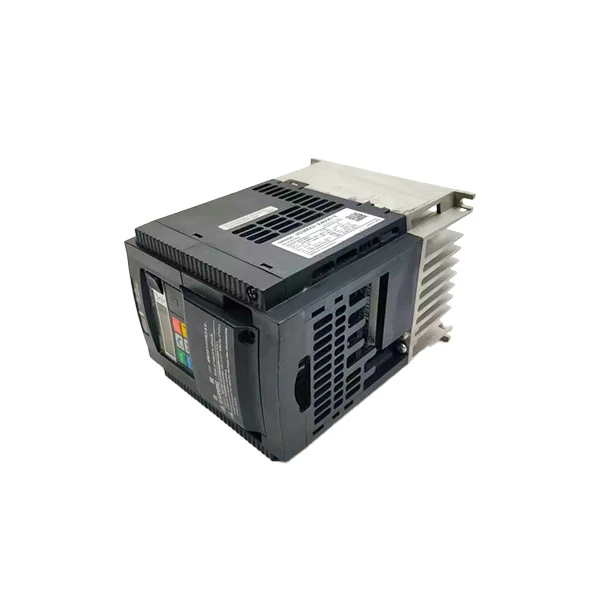
Omron Inverter MX2 3G3MX2 - A4022 - E
The Omron Inverter MX2 3G3MX2 - A4022 - E is a popular model known for its high - performance output voltage waveform. It uses advanced PWM technology to generate a sinusoidal waveform with low harmonic distortion. This model is suitable for a wide range of applications, including small to medium - sized motors in industrial and commercial settings.
Omron 3G3MX2 - A4030 - E
The Omron 3G3MX2 - A4030 - E offers enhanced waveform control capabilities. It can adjust the output voltage waveform based on the load requirements, ensuring optimal motor performance. This model is often used in applications where precise speed control and high efficiency are required, such as in machine tools and robotics.
Omron 3G3MX2 - A2007 - V1
The Omron 3G3MX2 - A2007 - V1 is designed for applications with space constraints. Despite its compact size, it still provides a high - quality output voltage waveform. This model is ideal for use in small - scale industrial equipment and home appliances.
Contact for Purchase and Consultation
If you're interested in learning more about Omron VFDs and their output voltage waveforms, or if you're looking to purchase Omron VFDs for your specific application, I encourage you to reach out. As a trusted supplier, I can provide you with detailed product information, technical support, and competitive pricing. Whether you're a small business owner or a large industrial manufacturer, I'm here to help you find the right Omron VFD solution for your needs.
References
- Omron Corporation. (20XX). Omron Variable Frequency Drive User Manuals.
- International Electrotechnical Commission (IEC). (20XX). Standards for Variable Frequency Drives and Motor Performance.
- IEEE Transactions on Industry Applications. (20XX). Research Papers on VFD Output Voltage Waveforms.


