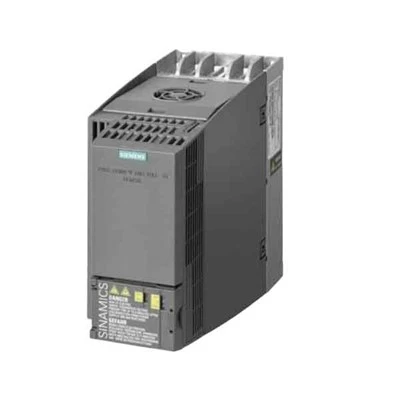

As a supplier of Schneider Variable Frequency Drives (VFDs), I often get asked about the overload capacity of these remarkable devices. Understanding the overload capacity of a VFD is crucial for ensuring the smooth and efficient operation of your industrial equipment. In this blog post, I will delve into the concept of overload capacity, explain how it applies to Schneider VFDs, and discuss its importance in various industrial applications.
What is Overload Capacity?
Overload capacity refers to the ability of a VFD to handle short - term increases in current beyond its rated capacity without causing damage to the drive or interrupting the operation of the connected motor. In industrial settings, motors may experience sudden spikes in load due to various reasons such as starting under heavy load, mechanical jams, or rapid changes in the process requirements. A VFD with a high overload capacity can withstand these temporary overloads, providing a more reliable and stable operation.
The overload capacity of a VFD is typically specified in terms of a percentage of its rated current and the duration for which it can handle the overload. For example, a VFD might be rated for 150% of its rated current for 60 seconds. This means that the drive can supply 150% of its normal current for up to 60 seconds without tripping or suffering damage.
Overload Capacity in Schneider VFDs
Schneider Electric offers a wide range of VFDs, each designed with specific overload capabilities to meet the diverse needs of different industrial applications. Let's take a closer look at some of the key factors that determine the overload capacity of Schneider VFDs.
Thermal Design
One of the primary factors influencing the overload capacity of a VFD is its thermal design. Schneider VFDs are engineered with advanced thermal management systems to dissipate heat effectively during overload conditions. High - quality heat sinks, fans, and intelligent cooling algorithms ensure that the internal components of the drive remain within safe operating temperatures, even when handling short - term overloads.
Power Semiconductor Technology
The power semiconductors used in Schneider VFDs play a crucial role in determining their overload capacity. Schneider employs state - of - the - art semiconductor technology, such as insulated - gate bipolar transistors (IGBTs), which are capable of handling high currents and switching frequencies. These advanced semiconductors are designed to withstand the stress of overloads, providing reliable performance over an extended period.
Control Algorithms
Schneider VFDs are equipped with sophisticated control algorithms that optimize the drive's performance during overload situations. These algorithms can detect overload conditions in real - time and adjust the output current and voltage to protect the drive and the connected motor. For example, if an overload is detected, the VFD may reduce the speed of the motor slightly to limit the current draw, while still maintaining the operation of the process.
Examples of Schneider VFDs and Their Overload Capacities
To better understand the overload capacity of Schneider VFDs, let's look at some specific models.
- Schneider ATV610D22N4: This VFD is designed for general - purpose applications in industrial environments. It has a high overload capacity, typically rated for 110% of its rated current for 60 seconds and 150% for 3 seconds. This makes it suitable for applications where motors may experience occasional short - term overloads, such as conveyor systems or pumps.
- Schneider ATV320U40N4B Variable Speed Drive: The ATV320U40N4B is a compact and efficient VFD designed for applications requiring precise speed control. It offers an overload capacity of 110% for 60 seconds, which is sufficient for many light - to - medium - duty applications, such as fans and small compressors.
- Schneider Sw 2524 VFD: This VFD is designed for more demanding applications, such as machine tools and high - torque motors. It has a robust overload capacity, with ratings of up to 200% of its rated current for short durations, allowing it to handle significant overloads during startup or in the event of a mechanical jam.
Importance of Overload Capacity in Industrial Applications
The overload capacity of a VFD is of utmost importance in industrial applications for several reasons.
Preventing Motor Damage
In many industrial processes, motors are subject to sudden changes in load. If a VFD does not have sufficient overload capacity, it may trip during these overloads, causing the motor to stop abruptly. This can lead to mechanical stress on the motor and the connected equipment, potentially causing damage and reducing the lifespan of the motor. A VFD with a high overload capacity can prevent such damage by handling the temporary overloads without interrupting the operation of the motor.
Ensuring Process Continuity
In continuous industrial processes, such as manufacturing lines or power generation plants, any interruption in the operation of a motor can have a significant impact on productivity. A VFD with a high overload capacity can ensure that the motor continues to operate during short - term overloads, minimizing downtime and maintaining the continuity of the process.
Flexibility in System Design
When designing an industrial system, it is often necessary to account for potential overloads. A VFD with a high overload capacity provides more flexibility in system design, allowing for the use of smaller motors in some cases. This can result in cost savings, as smaller motors are generally less expensive and consume less energy.
Considerations When Selecting a Schneider VFD Based on Overload Capacity
When choosing a Schneider VFD for your application, it is important to consider the following factors related to overload capacity.
Load Characteristics
Understand the load characteristics of your application, including the typical load profile, the frequency and duration of overloads, and the maximum expected overload. This will help you select a VFD with an appropriate overload capacity.
Duty Cycle
The duty cycle of the application also plays a role in determining the required overload capacity. Applications with a high duty cycle, where the motor operates continuously under heavy load, may require a VFD with a higher overload capacity than applications with a low duty cycle.
Future Expansion
Consider any potential future expansion or changes in the application. If you anticipate an increase in the load or more frequent overloads in the future, it may be wise to select a VFD with a higher overload capacity to accommodate these changes.
Conclusion
The overload capacity of Schneider VFDs is a critical feature that ensures the reliable and efficient operation of industrial motors. By understanding the concept of overload capacity, the factors that influence it in Schneider VFDs, and its importance in industrial applications, you can make an informed decision when selecting a VFD for your specific needs.


If you are interested in learning more about Schneider VFDs and their overload capacities, or if you are looking to purchase a Schneider VFD for your application, please feel free to reach out. Our team of experts is ready to assist you in finding the right VFD solution for your requirements.
References
- Schneider Electric Technical Documentation
- Industrial Motor Control Handbook
- Variable Frequency Drive Application Guides