


Hey there! As a Siemens VFD supplier, I often get asked about the speed regulation range of Siemens Variable Frequency Drives (VFDs). It's a crucial topic, especially for those looking to optimize the performance of their industrial equipment. So, let's dive right in and explore this in detail.
Understanding the Basics of Speed Regulation in VFDs
Before we get into the specific speed regulation ranges of Siemens VFDs, let's quickly go over what speed regulation means in the context of VFDs. A VFD is a device that controls the speed of an electric motor by varying the frequency and voltage supplied to it. The speed regulation range refers to the minimum and maximum speeds at which the motor can operate while maintaining a certain level of accuracy and stability.
The ability to regulate speed is incredibly important in many industrial applications. For example, in conveyor systems, different products may require different conveyor speeds for proper handling. In pumps and fans, adjusting the speed can help save energy by matching the output to the actual demand.
Speed Regulation Range of Common Siemens VFDs
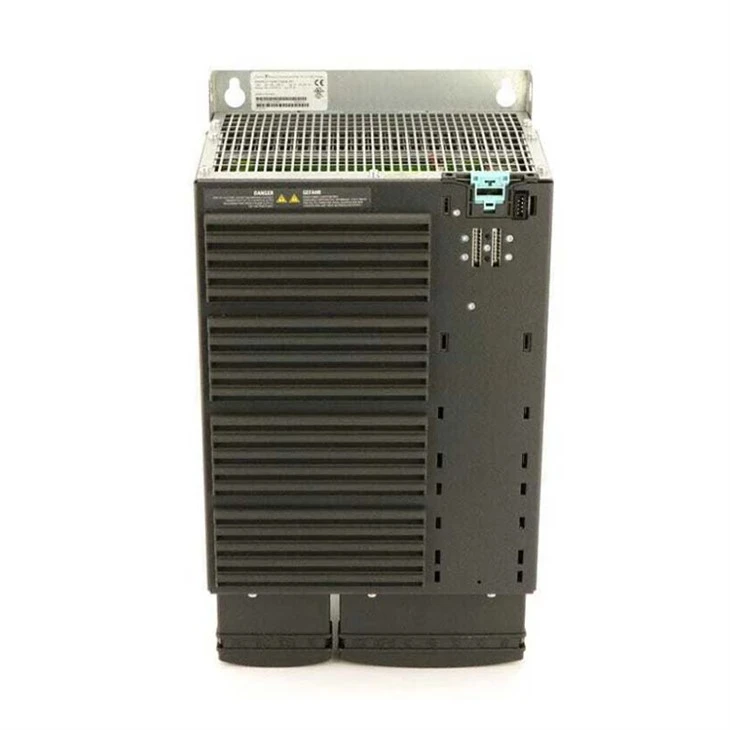
Siemens 6SE6440 - 2UD31 - 1CA1
The Siemens 6SE6440 - 2UD31 - 1CA1 is a popular VFD from Siemens. It offers a relatively wide speed regulation range. Generally, it can operate the motor at speeds as low as 0.5 Hz and as high as 650 Hz. This wide range makes it suitable for a variety of applications, from slow - moving machinery to high - speed equipment.
At low frequencies, the VFD uses advanced control algorithms to ensure that the motor can still generate sufficient torque to start and run smoothly. At high frequencies, it maintains stable operation by precisely controlling the voltage and frequency output. This means that whether you're running a small - scale production line or a large - scale industrial process, the 6SE6440 - 2UD31 - 1CA1 can provide the speed control you need.
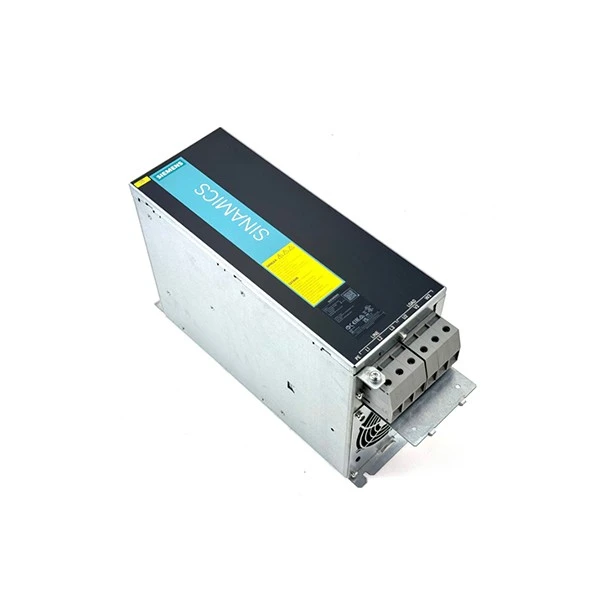
Siemens 6SL3210 - 1SE31 - 5UA0
Another great option is the Siemens 6SL3210 - 1SE31 - 5UA0. This VFD has a speed regulation range that typically spans from 0.1 Hz to 400 Hz. The lower limit of 0.1 Hz allows for extremely precise control in applications where very slow speeds are required, such as in some precision machining processes.
The upper limit of 400 Hz is sufficient for many medium - speed applications. The 6SL3210 - 1SE31 - 5UA0 also features excellent dynamic response, which means it can quickly adjust the motor speed in response to changes in the load or control signals. This makes it ideal for applications where rapid speed changes are necessary, like in robotic arms or some automated assembly lines.
Siemens 6SL3100 - 0BE23 - 6AB0
The Siemens 6SL3100 - 0BE23 - 6AB0 is designed for high - performance applications. It has a speed regulation range that can go from 0 Hz (stall torque available) to 600 Hz. The ability to start from 0 Hz with full torque is a significant advantage in applications where the motor needs to start under heavy loads, such as in cranes or large - scale mixers.
At high frequencies, the 6SL3100 - 0BE23 - 6AB0 can maintain accurate speed control, ensuring that the equipment operates at the desired performance level. It also has advanced features like vector control, which further enhances the speed regulation accuracy and the overall performance of the motor.
Factors Affecting the Speed Regulation Range
It's important to note that the actual speed regulation range in a real - world application may be affected by several factors.
Motor Characteristics
The type and specifications of the motor connected to the VFD play a crucial role. Different motors have different speed - torque characteristics, and some motors may not be able to operate at the full speed range of the VFD. For example, a motor with a low - voltage rating may not be able to handle the high - frequency output of the VFD, which could limit the upper speed.
Load Requirements
The nature of the load also matters. If the load has a high inertia, it may take longer for the motor to reach the desired speed, and the VFD may need to operate within a more restricted range to ensure stable operation. In some cases, a very heavy load may require the motor to operate at a lower speed to avoid overloading.
Environmental Conditions
The temperature, humidity, and altitude of the operating environment can affect the performance of the VFD and the motor. High temperatures can cause the components of the VFD to overheat, which may limit its ability to operate at high frequencies. Similarly, high humidity or extreme altitudes can also have an impact on the electrical insulation and the overall performance of the equipment.
Benefits of a Wide Speed Regulation Range
Having a wide speed regulation range in a Siemens VFD offers several benefits.
Energy Efficiency
By being able to adjust the motor speed precisely to match the actual load demand, a VFD can significantly reduce energy consumption. For example, in a pump system, if the flow rate requirements are low, the VFD can slow down the pump motor, saving a substantial amount of electricity.
Process Flexibility
A wide speed range allows for greater flexibility in industrial processes. Manufacturers can easily adapt to different production requirements by changing the motor speed. This is especially useful in industries where product specifications change frequently, such as the food and beverage industry.
Extended Equipment Lifespan
Operating the motor within an appropriate speed range can reduce wear and tear on the motor and other mechanical components. This can extend the lifespan of the equipment and reduce maintenance costs in the long run.
Conclusion
In conclusion, the speed regulation range of Siemens VFDs varies depending on the specific model. The Siemens 6SE6440 - 2UD31 - 1CA1, Siemens 6SL3210 - 1SE31 - 5UA0, and Siemens 6SL3100 - 0BE23 - 6AB0 each offer unique speed regulation capabilities to meet different industrial needs.
If you're in the market for a Siemens VFD and need to understand which one is the best fit for your application based on the speed regulation range and other factors, don't hesitate to reach out. We're here to help you make the right choice and ensure that your industrial equipment operates at its best. Contact us for more information and to start a procurement discussion.
References
- Siemens VFD product manuals
- Industrial automation textbooks on variable frequency drives


