


When it comes to industrial automation, Siemens PLC (Programmable Logic Controller) modules are renowned for their reliability, performance, and versatility. As a leading supplier of Siemens PLC modules, I often receive inquiries about the temperature range these modules can operate within. Understanding the temperature range is crucial as it directly impacts the performance, lifespan, and reliability of the PLC modules in various industrial environments.
General Temperature Range for Siemens PLC Modules
Siemens PLC modules are designed to operate within specific temperature ranges to ensure optimal performance. Generally, the standard temperature range for most Siemens PLC modules is between 0°C and 60°C (32°F and 140°F) for normal operation. This range is suitable for a wide variety of industrial applications where the ambient temperature is relatively stable and within this limit.
However, it's important to note that some specialized modules may have different temperature ranges. For example, modules designed for harsh industrial environments or outdoor applications may have an extended temperature range. These modules can typically operate between -25°C and 70°C (-13°F and 158°F), allowing them to withstand extreme temperature variations.
Impact of Temperature on PLC Module Performance
Temperature can have a significant impact on the performance of Siemens PLC modules. Operating outside the recommended temperature range can lead to several issues, including:
- Reduced Performance: High temperatures can cause the internal components of the PLC module to overheat, leading to a decrease in performance. This can result in slower processing speeds, longer response times, and potential errors in the control logic.
- Increased Failure Rate: Extreme temperatures can also increase the failure rate of the PLC module. High temperatures can cause the solder joints to weaken, leading to intermittent connections or complete failure. Low temperatures, on the other hand, can cause the components to become brittle and more prone to damage.
- Shortened Lifespan: Continuous operation outside the recommended temperature range can significantly shorten the lifespan of the PLC module. The increased stress on the components can lead to premature wear and tear, reducing the overall reliability and durability of the module.
Temperature Considerations for Different Types of Siemens PLC Modules
Different types of Siemens PLC modules may have different temperature requirements based on their functionality and design. Here are some examples:
- CPU Modules: The CPU (Central Processing Unit) module is the heart of the PLC system, responsible for executing the control logic. It is typically more sensitive to temperature variations compared to other modules. Siemens recommends operating the CPU module within the standard temperature range of 0°C to 60°C to ensure optimal performance and reliability.
- Input/Output (I/O) Modules: I/O modules are used to interface with external devices such as sensors and actuators. These modules are generally more tolerant of temperature variations compared to the CPU module. However, it's still important to operate them within the recommended temperature range to ensure accurate and reliable data transfer.
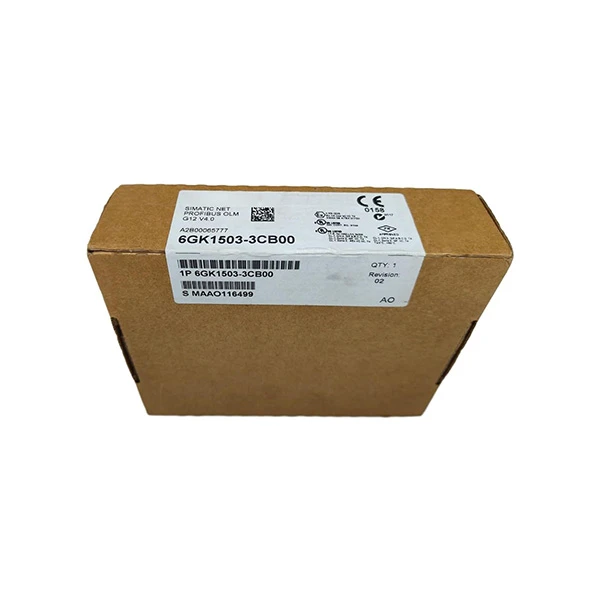
- Communication Modules: Communication modules are used to establish communication between the PLC and other devices or systems. These modules are often exposed to different environmental conditions, including temperature variations. Siemens offers communication modules with extended temperature ranges to ensure reliable communication in harsh industrial environments. For example, the Siemens 6GK1503-3CB00 is designed to operate between -25°C and 70°C, making it suitable for outdoor and harsh industrial applications.
Ensuring Optimal Temperature Conditions for Siemens PLC Modules
To ensure the optimal performance and reliability of Siemens PLC modules, it's important to take appropriate measures to control the temperature in the installation environment. Here are some tips:
- Proper Ventilation: Ensure that the PLC cabinet or enclosure has adequate ventilation to dissipate heat generated by the modules. This can be achieved by installing fans or ventilation ducts to promote air circulation.
- Temperature Monitoring: Use temperature sensors to monitor the temperature inside the PLC cabinet or enclosure. This can help you detect any temperature variations and take corrective action before they cause any issues.
- Thermal Insulation: In extreme temperature environments, consider using thermal insulation materials to protect the PLC modules from excessive heat or cold. This can help maintain a stable temperature inside the cabinet or enclosure.
- Avoid Overloading: Do not overload the PLC modules by connecting too many devices or running complex control programs. Overloading can generate additional heat and increase the risk of overheating.
Specific Examples of Siemens PLC Modules and Their Temperature Ranges
Let's take a look at some specific examples of Siemens PLC modules and their temperature ranges:
- Siemens 6EP3337-8SB00-0AY0: This is a power supply module that provides power to the PLC system. It is designed to operate within a temperature range of -25°C to 70°C, making it suitable for harsh industrial environments. You can find more information about this module here.
- Siemens 6ES7223-1BM22-0XA8: This is a digital input/output module that can be used to interface with external devices such as sensors and actuators. It has a temperature range of 0°C to 60°C, which is suitable for most industrial applications. You can learn more about this module here.
Conclusion
In conclusion, understanding the temperature range for Siemens PLC modules is essential for ensuring their optimal performance, reliability, and lifespan. By operating the modules within the recommended temperature range and taking appropriate measures to control the temperature in the installation environment, you can minimize the risk of performance issues, failures, and premature wear and tear. As a supplier of Siemens PLC modules, I am committed to providing high-quality products and technical support to help you meet your industrial automation needs. If you have any questions or need assistance in selecting the right Siemens PLC modules for your application, please feel free to contact me for a detailed discussion and procurement negotiation.

References
- Siemens AG. (Year). Siemens PLC Module Product Catalog. Retrieved from [Siemens official website].
- Industrial Automation Handbook. (Year). Temperature Considerations for PLC Systems. [Publisher].


