

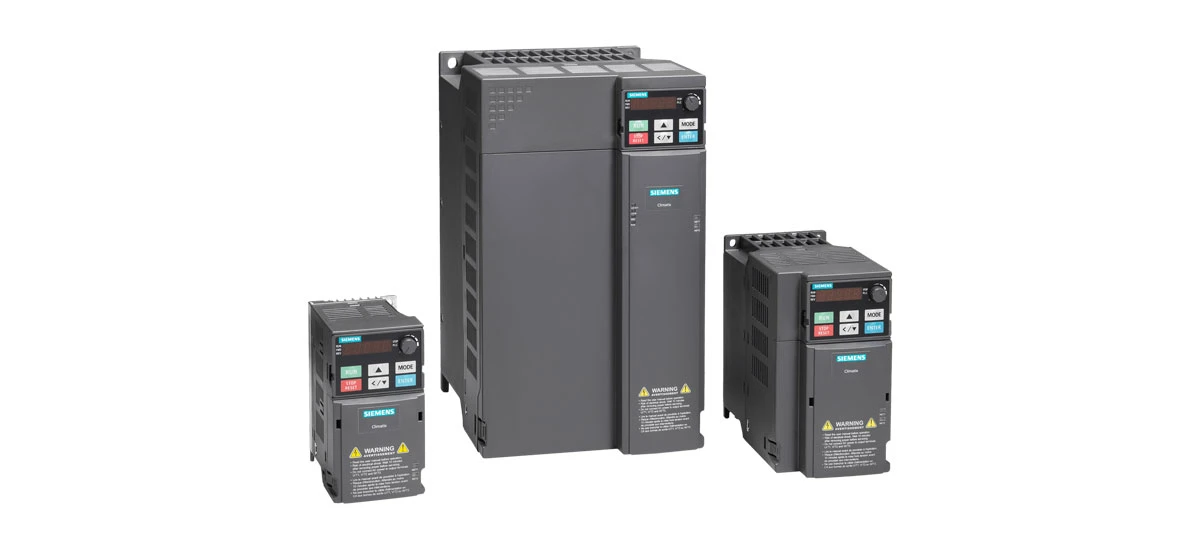
In today's industrial world, Siemens VFDs (Variable Frequency Drives) are essential tools that help control motor speed, save energy, and improve the efficiency of machines in factories, warehouses, and many other workplaces. Siemens VFDs are known for their reliability and performance, but like all equipment, they can wear down over time and develop faults. Traditional maintenance methods-waiting for a Siemens VFD to break or checking it on a fixed schedule-are costly and often lead to unexpected downtime. That's where AI-driven predictive maintenance and machine learning analytics come in. This blog will explain how AI and machine learning are changing the way we maintain Siemens VFDs, making operations smoother, cheaper, and more reliable. We'll also cover key benefits, real-world uses, and how to get started with this technology for your Siemens VFDs.
What Is a Siemens VFD, and Why Does Maintenance Matter?
What Is a Siemens VFD?
A Siemens VFD, or Siemens Variable Frequency Drive, is an electronic device that controls the speed and torque of electric motors. Siemens is one of the world's top manufacturers of VFDs, with its Sinamics family covering everything from small fans to giant industrial machines. Siemens VFDs work by adjusting the frequency and voltage of the electricity supplied to a motor, which lets you match the motor's speed to the task at hand. For example, a Siemens VFD can slow down a pump when less water is needed or speed up a conveyor belt during peak production. This not only saves energy but also reduces wear on the motor and the Siemens VFD itself. Common Siemens VFD models include the Sinamics V20 (for basic tasks) and G120 (for general industrial use), both designed to be user-friendly and durable.
The Problem with Traditional Maintenance for Siemens VFDs
Most businesses use two traditional maintenance methods for their Siemens VFDs: reactive maintenance (fixing it after it breaks) and preventive maintenance (checking it on a set schedule). Both have big flaws. Reactive maintenance leads to unexpected downtime-if a Siemens VFD fails suddenly, production stops, workers wait, and repairs can be expensive. Preventive maintenance, while better, is inefficient: you might check a Siemens VFD when it's working perfectly, wasting time and money, or miss a hidden fault that develops between checks. Siemens VFDs often have common faults like overheating, external errors, or motor identification issues, which can be hard to catch with traditional methods. This is why AI-driven predictive maintenance is a game-changer for Siemens VFD owners.
How AI and Machine Learning Work for Siemens VFD Predictive Maintenance
AI-driven predictive maintenance uses artificial intelligence (AI) and machine learning (ML) to monitor your Siemens VFD in real time, find early signs of trouble, and predict when maintenance is needed-before a breakdown happens. This technology turns data from your Siemens VFD into actionable insights, making maintenance proactive instead of reactive. Let's break down the process step by step, using simple terms that are easy to understand.
Collecting Data from Your Siemens VFD
Siemens VFDs are built to collect their own operational data-you don't need extra sensors (though you can add them if needed). The Siemens VFD tracks key parameters like motor speed, voltage, current, temperature, and energy use. For example, a Siemens Sinamics G120 VFD can monitor how much power it's using, how hot its internal parts are, and how smoothly the motor is running. This data is sent to an AI system, which stores and analyzes it. Tools like Siemens' Drivetrain Analyzer Cloud make it easy to collect and access this data, even for non-technical users. This sensorless data collection saves money and reduces complexity, especially in tight or harsh industrial spaces.
Machine Learning Models for Siemens VFD Fault Prediction
Machine learning models are like "smart detectives" that learn from your Siemens VFD's data. These models study normal operating patterns of your Siemens VFD-what voltage, temperature, and speed are typical when it's working well. Then, they look for anomalies (differences) that signal a problem. For example, if the temperature of your Siemens VFD starts rising slowly over time, or the current becomes unstable, the ML model will notice. Some ML models, like the ones used in Motix AI, can detect faults with 93% accuracy by analyzing these patterns. Siemens also offers tools like the Predictive Service Analyzer, which uses AI to detect early signs of damage in the Siemens VFD, such as stress on internal components or abnormal temperature curves. These models get smarter over time as they collect more data from your Siemens VFD.
AI Alerts and Maintenance Recommendations
When the AI system finds an anomaly in your Siemens VFD's data, it sends you an alert. The alert is clear and simple-no technical jargon-and tells you what might be wrong and when you should perform maintenance. For example, it might say, "Your Siemens VFD's temperature is 10% higher than normal; check for dust buildup in 3 days." This gives you time to plan maintenance during scheduled downtime, so production isn't interrupted. Siemens' Operations Copilot even lets you ask questions about your Siemens VFD's health in plain language, making it easy to understand and act on the alerts.
Key Benefits of AI-Driven Predictive Maintenance for Siemens VFDs
Using AI and machine learning for Siemens VFD predictive maintenance offers many benefits for businesses of all sizes. These benefits are backed by real data and Siemens' own tools, making them reliable and actionable. Here are the most important ones:
Reduced Downtime and Higher Productivity
The biggest benefit is less unexpected downtime. AI predicts faults in your Siemens VFD weeks or even months before they cause a breakdown, so you can fix problems during planned breaks. A textile factory that used Siemens' AI-driven maintenance tools reduced unplanned downtime by avoiding sudden Siemens VFD failures, keeping their production lines running smoothly. Siemens Gamesa, another user, saw a 30% reduction in unplanned downtime after using AI to monitor their VFDs and turbines. This means more productivity, happier customers, and less lost revenue.
Lower Maintenance Costs
AI-driven maintenance cuts costs in two ways: first, you don't waste money on unnecessary checks or parts for your Siemens VFD. Second, you fix small problems before they become big, expensive ones. For example, cleaning dust from a Siemens VFD's cooling system (a simple, cheap fix) prevents overheating, which could damage the entire device and cost thousands to replace. Siemens' Drivetrain Analyzer Cloud even offers a return on investment (ROI) of less than a year for most users, making it a smart financial choice. You also save money on labor, as technicians can focus on actual issues instead of routine checks.
Longer Life for Your Siemens VFD
Siemens VFDs are built to last, but proper maintenance makes them last even longer. AI ensures that you maintain your Siemens VFD at the right time, not too early or too late. This reduces wear and tear on key components like IGBTs (internal electronics) and cooling systems, extending the life of your Siemens VFD by years. For example, a Siemens Sinamics VFD that's properly maintained with AI can last 5-10 years longer than one that's not, saving you money on replacements.
Energy Savings and Sustainability
Siemens VFDs are already energy-efficient, but AI-driven maintenance makes them even more so. When a Siemens VFD is working properly, it uses less energy. AI monitors energy use and suggests adjustments-like optimizing motor speed-to save power. Siemens' tools also track CO2 emissions, helping you reduce your carbon footprint and meet sustainability goals. For example, a factory using AI to maintain their Siemens VFDs saw a 15% reduction in energy use, cutting both costs and environmental impact.
Real-World Examples of AI Predictive Maintenance for Siemens VFDs
AI-driven predictive maintenance for Siemens VFDs isn't just a theory-it's being used successfully by businesses around the world. These real examples show how it works and the results you can expect, making it easier to see the value for your own Siemens VFDs.
Textile Factory Uses Siemens AI Tools to Avoid Downtime
A leading textile factory in China had over 130 Siemens VFDs powering their production lines. The factory struggled with unexpected downtime when Siemens VFDs failed, which cost them thousands in lost production. They implemented Siemens' Drive Connector SINAMICS and Drivetrain Analyzer Edge, AI tools that collect data from the Siemens VFDs and predict faults. The AI system detected early signs of overheating in several Siemens VFDs, allowing technicians to clean the cooling systems before they failed. After using the AI tools, the factory reduced unplanned downtime by 40% and cut maintenance costs by 25%. This is a great example of how AI works for Siemens VFDs in a busy industrial setting.
Manufacturing Plant Improves Efficiency with ML Analytics
A large manufacturing plant used Siemens Sinamics G120X VFDs for their pumps and fans. They used machine learning analytics to monitor the Siemens VFDs' data, including motor speed, current, and energy use. The ML model noticed that some Siemens VFDs were using more energy than normal, which signaled a problem with the pump impellers. The plant fixed the impellers, and the Siemens VFDs started using 12% less energy. The ML model also predicted a fault in one of the Siemens VFDs' power grids, allowing the plant to replace a small part before it caused a breakdown. This saved the plant over $10,000 in repairs and lost production.
How to Implement AI-Driven Predictive Maintenance for Your Siemens VFDs
Implementing AI-driven predictive maintenance for your Siemens VFDs is easier than you might think. You don't need to be a tech expert-Siemens offers tools that are user-friendly and integrate seamlessly with your existing Siemens VFDs. Here's a simple step-by-step guide to get started:
Step 1: Choose the Right AI Tool for Your Siemens VFDs
Siemens offers several AI tools designed specifically for their VFDs. The most popular are Drivetrain Analyzer Cloud and Predictive Service Analyzer-both are easy to set up and work with all modern Siemens VFDs, including Sinamics V20, G120, and G220 models. These tools are plug-and-play, meaning you can connect them to your Siemens VFDs without complicated wiring. If you have older Siemens VFDs, Siemens can help you upgrade to make them compatible with AI tools.
Step 2: Connect Your Siemens VFDs to the AI System
Once you have the AI tool, connect it to your Siemens VFDs. Most Siemens AI tools use your existing network (like a PN network) to collect data, so you don't need to install extra cables. The tool will start collecting data from your Siemens VFDs automatically-things like temperature, voltage, speed, and energy use. This process is quick and doesn't interrupt production.
Step 3: Train the Machine Learning Model
The ML model needs to learn what "normal" operation looks like for your Siemens VFDs. This takes a few weeks-during this time, the model collects data on your Siemens VFDs' typical performance. You don't need to do anything; the AI system does the work for you. Once trained, the model can spot anomalies and predict faults with high accuracy, just like the Motix AI system that achieves 93% fault detection accuracy.
Step 4: Act on AI Alerts and Recommendations
Once the system is up and running, you'll receive alerts when the AI detects a problem with your Siemens VFD. The alerts will tell you what's wrong, how serious it is, and when you should fix it. For example, if the AI notices that your Siemens VFD's temperature is rising, it might recommend cleaning the cooling fan in 5 days. Simply follow the recommendations, and you'll avoid breakdowns and keep your Siemens VFDs running smoothly.
FAQs About AI-Driven Predictive Maintenance for Siemens VFDs
Q: Do I need technical skills to use AI for my Siemens VFDs?
A: No! Siemens' AI tools are designed for non-technical users. The Operations Copilot lets you ask questions in plain language, and alerts are simple to understand. You don't need to know how AI or machine learning works-just follow the recommendations, and you'll be able to maintain your Siemens VFDs effectively.
Q: Will AI-driven maintenance work for older Siemens VFD models?
A: Yes, in most cases. Siemens offers upgrades for older Siemens VFDs (like the legacy Micromaster series) to make them compatible with AI tools. If your Siemens VFD is more than 10 years old, contact Siemens to see if an upgrade is available. Even older models can benefit from AI analytics with a simple upgrade.
Q: How much does AI-driven predictive maintenance cost for Siemens VFDs?
A: The cost varies depending on the number of Siemens VFDs you have and the AI tool you choose. However, most businesses see a return on investment (ROI) within a year, thanks to reduced downtime and maintenance costs. Siemens offers flexible pricing options, so you can find a solution that fits your budget.
Conclusion: AI Makes Siemens VFD Maintenance Easier and Cheaper
Siemens VFDs are critical for industrial operations, and keeping them in good shape is key to success. Traditional maintenance methods are costly and inefficient, but AI-driven predictive maintenance changes that. By using AI and machine learning to monitor your Siemens VFDs, you can predict faults before they happen, reduce downtime, cut costs, and extend the life of your equipment. Siemens' own AI tools-like Drivetrain Analyzer Cloud and Predictive Service Analyzer-make this process easy, even for non-technical users. Whether you have a few Siemens VFDs or hundreds, AI-driven predictive maintenance is a smart investment that will save you time, money, and stress. Start using AI for your Siemens VFDs today, and see the difference it makes for your business.


