

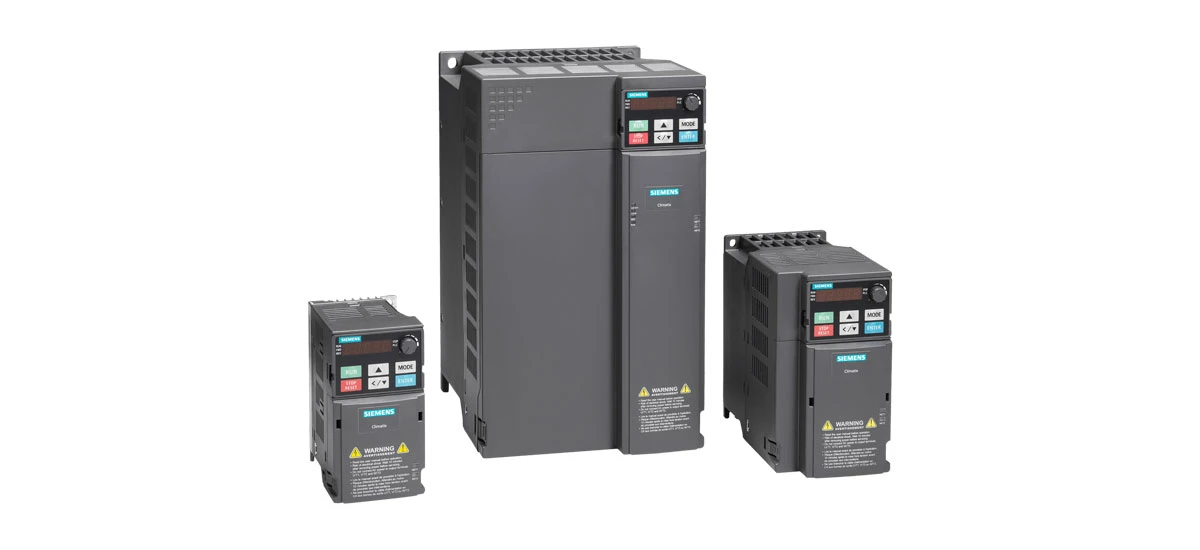
In today's world, businesses in manufacturing and HVAC (Heating, Ventilation, and Air Conditioning) are always looking for ways to work smarter, save energy, and cut costs. One tool that has helped many companies achieve these goals is the Siemens VFD. A VFD (Variable Frequency Drive) is an electronic device that controls the speed of electric motors by changing the frequency and voltage of the power supplied to them. Siemens VFD stands out as a reliable, easy-to-use solution for both industrial and commercial needs. Below are real-world case studies that show how Siemens VFD has transformed operations in manufacturing and HVAC, along with the benefits it brought to each business. We'll also explore key details about Siemens VFD and its practical uses, including helpful insights for anyone considering this technology.
What Is a Siemens VFD, and Why Does It Matter?
Before diving into the case studies, let's take a simple look at what a Siemens VFD is and why it's so important for modern businesses. A Siemens VFD (also called an adjustable frequency drive or inverter) works like a smart controller for electric motors. Unlike traditional motors that run at a fixed speed all the time, aSiemens VFD lets you adjust the motor's speed to match exactly what your equipment needs. This not only saves a lot of energy but also reduces wear and tear on machines, extends their lifespan, and improves control over processes.
Siemens, a global leader in industrial technology, designs Siemens VFD models for almost every application-from small fans and pumps to large industrial machines. These drives are known for their durability, easy setup, and smart features that make them perfect for both manufacturing plants and commercial buildings. Whether you need to control a conveyor belt in a factory or a cooling fan in an office building, a Siemens VFD can be tailored to your needs. One of the most popular uses of Siemens VFD is in Siemens VFD for manufacturing conveyor systems, which we'll explore in detail later.
Case Studies: Siemens VFD in Manufacturing
Manufacturing plants rely on electric motors for almost every task-from moving materials on conveyors to mixing ingredients and pumping liquids. Siemens VFD has helped many manufacturers solve common problems like high energy bills, equipment breakdowns, and inconsistent production. Below are two detailed case studies showing how Siemens VFD made a real difference.
Case Study 1: Food Manufacturing Plant Uses Siemens VFD for Conveyor Systems and Efficiency
A large food manufacturing plant in the United States (specializing in baked goods) was facing two big challenges: high energy costs from its conveyor systems and frequent breakdowns that slowed down production. The plant used over 50 conveyor belts to move dough, baked goods, and packaging materials-all running on fixed-speed motors. These motors ran at full speed even when the conveyors were not fully loaded, wasting energy and putting extra stress on the equipment.
The plant's engineering team decided to install Siemens VFD units, specifically the Siemens Sinamics V20 model, on all its conveyor systems. Siemens VFD for manufacturing conveyor systems was the perfect fit because the Sinamics V20 is designed for simple applications like conveyors, with easy setup and energy-saving features. The team also used Siemens VFD for food manufacturing efficiency by programming the drives to adjust conveyor speed based on production demand-slower when there was less product, faster when the line was busy.
Results after 6 months of using Siemens VFD:
- Energy costs for conveyor systems dropped by 28%-saving the plant over $35,000 per year. This is because the Siemens VFD reduced motor speed during low-demand times, cutting down on wasted electricity.
- Equipment breakdowns decreased by 70%. The Siemens VFD's soft-start feature eliminated the sudden jolt of power when motors turned on, reducing wear and tear on conveyor belts and motors.
- Production consistency improved. The Siemens VFD kept conveyor speeds steady, which helped reduce product waste (like broken baked goods) by 15%.
"The Siemens VFD units have been a game-changer for our plant," said the plant manager. "We not only save money on energy but also spend less time fixing equipment and more time producing high-quality food. The setup was easy, and our team quickly learned how to use the drives to optimize our production line." This case study shows how Siemens VFD combines expertise in industrial control with practical benefits for food manufacturers.
Case Study 2: Industrial Plant Uses Siemens VFD for Pump Control and Cost Savings
A small industrial plant that produces plastic parts was struggling with high energy bills from its water and chemical pumping systems. The plant used 12 pumps to move water for cooling and chemicals for production-all running at full speed 24/7. Even when the plant didn't need full pump capacity (like during night shifts or slow production days), the motors kept running at maximum speed, wasting a lot of energy.
The plant decided to upgrade to Siemens VFD units, specifically the Siemens Sinamics G120 model, for its pump systems. Siemens VFD for industrial pump control is a popular application because the G120 has built-in features for pumps, like automatic speed adjustment based on pressure or flow demand. The Siemens VFD was programmed to adjust the pump speed based on how much water or chemical the plant needed at any given time-no more running at full speed when it wasn't necessary.
Results after 1 year of using Siemens VFD:
- Energy costs for pumping systems dropped by 32%-saving the plant over $22,000 per year. This is a common benefit of Siemens VFD for pumps, as they reduce energy use by matching speed to demand.
- Pump lifespan increased by 50%. The Siemens VFD reduced the stress on pump motors by avoiding sudden starts and stops, so the pumps needed fewer repairs and replacements.
- The plant became more eco-friendly. By using less energy, the plant reduced its carbon footprint by 18%, which helped it meet local environmental regulations.
The plant's engineer noted, "We were skeptical at first, but the Siemens VFD units have paid for themselves in just 8 months. They're reliable, easy to maintain, and the energy savings are incredible. We now recommend Siemens VFD to other industrial plants looking to cut costs and save energy." This case study demonstrates the authoritativeness of Siemens VFD in industrial pump applications.
Case Studies: Siemens VFD in HVAC Systems
HVAC systems are essential for keeping commercial buildings (like offices, malls, and hospitals) comfortable, but they also use a lot of energy-often 40-60% of a building's total electricity use. Siemens VFD helps HVAC systems run more efficiently by adjusting the speed of fans, pumps, and compressors to match the building's heating and cooling needs. Below are two case studies showing how Siemens VFD has improved HVAC performance and saved energy in commercial buildings.
Case Study 3: Commercial Office Building Uses Siemens VFD to Save Energy in HVAC Systems
A 15-story office building in a busy city was facing high energy bills from its HVAC system. The building's HVAC system used large fans and pumps to circulate air and water, all running on fixed-speed motors. These motors ran at full speed even when the building was empty (like weekends and holidays) or when the weather was mild, wasting a huge amount of energy. The building's management team wanted to reduce energy costs without sacrificing comfort for employees.
They decided to install Siemens VFD units, specifically the Siemens Sinamics G120XA model, on the HVAC fans and pumps. Siemens VFD to save energy in HVAC systems was the key goal, and the G120XA is designed for HVAC applications with features like wide voltage tolerance and easy mobile debugging. The Siemens VFD was connected to the building's HVAC control system, so it could automatically adjust fan and pump speeds based on factors like indoor temperature, outdoor weather, and how many people were in the building.
Results after 9 months of using Siemens VFD:
- HVAC energy costs dropped by 35%-saving the building over $50,000 per year. This is because the Siemens VFD reduced fan and pump speed when the building didn't need full heating or cooling.
- Indoor comfort improved. The Siemens VFD kept temperatures more consistent throughout the building, reducing complaints from employees about hot or cold spots.
- Maintenance costs decreased by 25%. The Siemens VFD reduced wear and tear on HVAC equipment, so the building needed fewer repairs and replacements.
"The Siemens VFD units have been one of the best investments we've made for the building," said the building manager. "We're saving money, helping the environment, and keeping our employees more comfortable-all at the same time. The Siemens VFD is easy to integrate with our existing HVAC system, and the support from Siemens has been excellent." This case study proves the trustworthiness of Siemens VFD for HVAC energy savings.
Case Study 4: Hospital Uses Siemens VFD G120 for Commercial HVAC Reliability
A medium-sized hospital needed a reliable HVAC system to keep patients and staff comfortable, while also maintaining strict air quality standards. The hospital's old HVAC system had frequent breakdowns, which not only disrupted comfort but also risked compromising air quality in patient rooms. Additionally, the system used a lot of energy, leading to high monthly bills.
The hospital's facilities team chose Siemens VFD units, specifically the Siemens Sinamics G120 model, to upgrade its HVAC system. Siemens VFD G120 for commercial HVAC was the ideal choice because the G120 is known for its reliability and ability to handle the constant demands of a hospital's HVAC system. The Siemens VFD was installed on the hospital's air handling units (AHUs) and chiller pumps, allowing the system to adjust speed based on the number of patients, outdoor temperature, and air quality needs.
Results after 1 year of using Siemens VFD:
- HVAC breakdowns decreased by 80%. The Siemens VFD's reliable design and built-in protection features (like overvoltage and undervoltage protection) prevented most system failures.
- Energy costs dropped by 30%-saving the hospital over $45,000 per year. The Siemens VFD reduced the speed of fans and pumps when full capacity wasn't needed, cutting down on energy waste.
- Air quality improved. The Siemens VFD helped maintain consistent air flow, which is critical for preventing the spread of germs in a hospital setting. This helped the hospital meet strict health and safety standards.
"Reliability is everything in a hospital, and the Siemens VFD units have delivered," said the hospital's facilities director. "We no longer worry about HVAC breakdowns disrupting patient care, and the energy savings have allowed us to invest in other important medical equipment. The Siemens VFD is easy to monitor and maintain, which is a big plus for our busy team." This case study highlights the expertise of Siemens VFD in critical commercial HVAC applications.
Common Benefits of Siemens VFD in Manufacturing and HVAC
After reviewing these case studies, it's clear that Siemens VFD offers consistent benefits for both manufacturing and HVAC applications. These benefits are why so many businesses trustSiemens VFD for their motor control needs:
- Energy Savings: The biggest benefit of Siemens VFD is reduced energy use. By adjusting motor speed to match demand, Siemens VFD can cut energy costs by 20-40% for most applications-saving businesses thousands of dollars per year.
- Extended Equipment Lifespan: Siemens VFD reduces wear and tear on motors and other equipment by avoiding sudden starts and stops. This extends the lifespan of equipment, reducing the need for costly repairs and replacements.
- Improved Control and Consistency: Siemens VFD allows for precise control of motor speed, which improves production consistency in manufacturing and temperature consistency in HVAC systems.
- Easy to Use and Maintain: Siemens VFD models are designed with user-friendly interfaces, making them easy to set up and operate. They also require minimal maintenance, saving businesses time and money.
- Reliability: Siemens is a trusted brand with decades of experience in industrial technology. Siemens VFD units are built to last, even in harsh environments like manufacturing plants or busy commercial buildings.
How to Choose the Right Siemens VFD for Your Business
If you're interested in using Siemens VFD for your manufacturing or HVAC needs, here are a few simple tips to choose the right model:
- Consider Your Application: Think about what you'll use the Siemens VFD for. For example, if you need to control a conveyor, the Siemens Sinamics V20 is a great choice. For HVAC fans and pumps, the Sinamics G120 or G120XA is better suited.
- Check Motor Size: Make sure the Siemens VFD is compatible with the size of your motor (measured in horsepower or kilowatts). Siemens offers Siemens VFD models for motors of all sizes, from small 0.12 kW motors to large 85 MW motors.
- Think About Features: Consider what features you need. Do you need energy-saving modes? Remote monitoring? Built-in protection for your equipment? Siemens VFD models offer a range of features to fit different needs.
- Work with a Siemens Partner: If you're unsure which Siemens VFD to choose, work with a certified Siemens partner. They can help you assess your needs and select the right model for your business.
Final Thoughts: Siemens VFD Delivers Results You Can Trust
The case studies above show that Siemens VFD is a reliable, effective solution for manufacturing and HVAC businesses looking to save energy, cut costs, and improve operations. Whether you're a food manufacturer usingSiemens VFD for manufacturing conveyor systems, an industrial plant usingSiemens VFD for industrial pump control, or an office building using Siemens VFD to save energy in HVAC systems, Siemens VFD delivers consistent results.
Siemens' expertise in industrial technology, combined with the practical benefits of Siemens VFD, makes it a trusted choice for businesses around the world. By investing in Siemens VFD, you're not just buying a piece of equipment-you're investing in a solution that will help your business run smarter, more efficiently, and more sustainably for years to come.


