

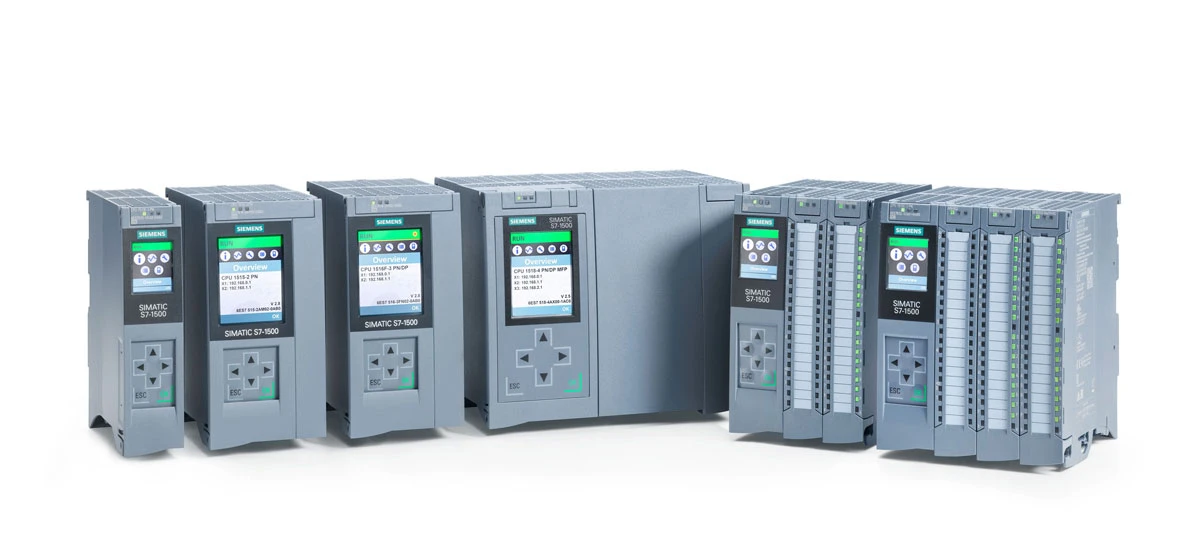
In today's industrial world, meeting safety and quality standards is not just a legal requirement-it's a promise to customers, employees, and stakeholders. For many manufacturers and industrial operators, Siemens PLC has become a trusted tool to achieve this compliance. But what makes Siemens PLC stand out in ensuring safety and quality? How can businesses leverage Siemens PLC to meet strict industry regulations? This blog will break down the key roles of Siemens PLC in compliance, real-world applications, and practical steps to integrate it effectively.
Why Compliance Matters in Industrial Settings
Industrial compliance refers to following rules and standards set by government bodies, industry associations, and international organizations-such as OSHA (Occupational Safety and Health Administration) for safety and ISO (International Organization for Standardization) for quality. Non-compliance can lead to heavy fines, production shutdowns, damage to brand reputation, and even serious accidents that harm workers. For example, a manufacturing plant that fails to meet electrical safety standards might face a shutdown until issues are fixed. This is where reliable automation tools like Siemens PLC come into play. Siemens PLC systems are designed to help businesses align their operations with these standards, reducing the risk of non-compliance and creating a safer, more consistent production environment.
Siemens PLC: The Backbone of Safe and Quality-Conscious Operations
A Programmable Logic Controller (PLC) is a digital computer used to automate industrial processes. Siemens PLC, a leading brand in industrial automation, offers features specifically tailored to address safety and quality compliance. Unlike generic PLCs, Siemens PLC systems are built with industry-specific requirements in mind, making them a top choice for businesses in sectors like automotive, food and beverage, pharmaceuticals, and energy. Let's explore how Siemens PLC supports compliance in both safety and quality.
Siemens PLC for Industrial Safety Compliance
Safety is the top priority in any industrial setting, and Siemens PLC plays a critical role in maintaining a safe workplace. One of the key advantages of Siemens PLC is its ability to implement safety functions that meet international standards like IEC 61508 (functional safety for electrical/electronic/programmable electronic safety-related systems). For instance, Siemens PLC models such as the S7-1500F come with built-in safety features that can detect faults in machinery-like a stuck conveyor belt or an overheating motor-and trigger immediate responses, such as shutting down the equipment to prevent injuries.
Another way Siemens PLC supports safety compliance is through emergency stop (E-stop) integration. Industrial standards require E-stop systems to be reliable and fast-acting, and Siemens PLC ensures that these systems communicate seamlessly with other parts of the production line. This integration helps businesses meet OSHA's requirements for machine safety, as it reduces the time between detecting a hazard and stopping the equipment. For example, in an automotive assembly plant, a Siemens PLC can connect E-stop buttons, safety light curtains, and safety relays to create a comprehensive safety system that complies with global safety standards. This is why many businesses choose Siemens PLC for industrial safety compliance-it provides a robust, tested solution that meets strict regulatory demands.
Siemens PLC in Maintaining Quality Standards
Quality compliance is just as important as safety, especially for businesses that sell products globally. Standards like ISO 9001 require consistent product quality and traceability, and Siemens PLC helps achieve this by enabling precise process control and data monitoring. Siemens PLC systems can monitor every step of the production process-from raw material input to final product output-ensuring that parameters like temperature, pressure, and speed stay within acceptable limits. If a parameter deviates from the standard, the Siemens PLC can alert operators or adjust the process automatically, preventing defective products from reaching customers.
Traceability is another key aspect of quality compliance, and Siemens PLC makes it easy to track product data throughout production. For example, in the food and beverage industry, a Siemens PLC can record the batch number of raw materials, processing time, and storage conditions for each product. This data can be stored and retrieved easily, helping businesses meet ISO 22000 (food safety management) standards and respond quickly to product recalls if needed. How Siemens PLC ensures quality standards is through this combination of precise control and data logging-making it easier for businesses to prove compliance during audits. Additionally, Siemens PLC quality control solutions can be customized to fit the unique needs of different industries, whether it's pharmaceuticals (where strict purity standards apply) or electronics (where precision assembly is critical).
Key Steps to Implement Siemens PLC for Compliance
Integrating Siemens PLC into your operations to meet safety and quality standards doesn't have to be complicated. Here are four practical steps to get started:
1. Assess Your Compliance Requirements
First, identify the specific safety and quality standards that apply to your industry. For example, if you're in the energy sector, you might need to comply with IEEE standards for electrical safety. If you're in manufacturing, ISO 9001 and OSHA standards will be key. Make a list of the requirements, such as fault detection, emergency shutdown, or data traceability. This assessment will help you choose the right Siemens PLC model and features.
2. Select the Right Siemens PLC Model
Siemens offers a range of PLC models designed for different compliance needs. For safety-critical applications, choose a failsafe model like the S7-1500F or S7-300F. For quality control and data logging, models like the S7-1200 (which offers built-in Ethernet for easy data transfer) are a good fit. Work with a Siemens partner to ensure the model you select meets your specific compliance requirements. This is especially important for Siemens PLC in manufacturing compliance, where production processes can vary widely.
3. Integrate Safety and Quality Functions
Once you've selected the Siemens PLC, work with a qualified automation engineer to integrate safety and quality functions. This includes programming the PLC to monitor critical parameters, connect safety devices (like E-stops and light curtains), and log production data. For example, in a pharmaceutical plant, the Siemens PLC can be programmed to monitor the temperature of a mixing tank and alert operators if it goes out of range. Siemens PLC safety system integration should be done carefully to ensure all safety functions work together seamlessly and meet regulatory requirements.
4. Train Your Team and Conduct Audits
Even the best Siemens PLC system won't be effective if your team doesn't know how to use it. Provide training on how to operate the PLC, respond to alerts, and access data logs. Regularly conduct internal audits to check if the PLC is functioning correctly and if your operations are meeting compliance standards. This proactive approach will help you identify and fix issues before they lead to non-compliance.
Real-World Example: Siemens PLC in Action
Let's look at a real-world example of how Siemens PLC helps a business meet compliance. A large food processing plant in Europe needed to comply with ISO 22000 (food safety) and local safety standards. They implemented a Siemens PLC system (S7-1500) to monitor the temperature and humidity of storage areas, track batch numbers of raw materials, and integrate E-stop buttons on production lines. The Siemens PLC logged all data in real time, making it easy for the plant to pass ISO audits. Additionally, the PLC's fault detection feature prevented a potential fire when a heating element overheated, triggering an automatic shutdown. This example shows how Siemens PLC not only ensures compliance but also improves overall operational safety and efficiency.
Conclusion: Siemens PLC as a Compliance Partner
Meeting safety and quality standards is a must for modern industrial businesses, and Siemens PLC provides the reliability, flexibility, and features needed to achieve this compliance. Whether it's through built-in safety functions, precise quality control, or easy data logging, Siemens PLC helps businesses reduce risk, avoid fines, and build trust with customers. By following the steps outlined in this blog-assessing requirements, selecting the right model, integrating functions, and training your team-you can leverage Siemens PLC to meet industry standards and take your operations to the next level.


