

Image Source: pexels
Choosing the right Siemens PLC can transform your industrial automation processes. A well-suited PLC ensures smooth operations, higher efficiency, and fewer disruptions. For example, a bottling plant using S7-1200 PLCs increased production efficiency by 15% and reduced downtime by 10%. Automated food processing facilities also reported a 12% decrease in product defects with similar systems. Siemens' Five Major Series cater to diverse needs, from small-scale projects to complex industrial systems. This blog will help you navigate these options and select the most suitable PLC for your automation goals.
Key Takeaways
- Picking the right Siemens PLC helps work faster and avoid delays.
- Siemens has five main PLC series for different automation jobs.
- Check how big and complex your system is to choose the right PLC.
- Think about speed and power; tough tasks need models like S7-1500.
- Money matters; compare upfront costs and savings to pick a smart option.
- Plan for growth; pick a PLC that can expand as your needs grow.
- Match the PLC to your job to save money and work better.
- Use Siemens features like diagnostics and communication tools for reliable operations.
Understanding Siemens' Five Major Series
Image Source: pexels
Overview of Siemens PLCs
Siemens PLCs are at the forefront of industrial automation. They offer a range of programmable logic controllers designed to meet diverse automation needs. Whether you manage a small production line or a large-scale industrial facility, Siemens provides solutions tailored to your requirements. Their PLCs are known for reliability, scalability, and advanced features that simplify complex processes.
The global market for PLCs reflects their growing importance. By 2024, the market is expected to reach USD 12.20 billion. It is projected to grow further, reaching USD 15.12 billion by 2029, with a compound annual growth rate (CAGR) of 4.37%. This growth highlights the increasing demand for automation technologies like Siemens PLCs, which help industries improve efficiency and reduce operational costs.
Siemens' Five Major Series cater to a wide range of applications. Each series offers unique capabilities, ensuring you can find the right fit for your specific needs. From compact controllers for small systems to high-performance models for complex operations, Siemens has you covered.
Why Siemens PLCs Are Essential for Industrial Automation
Industrial automation relies on precision, speed, and adaptability. Siemens PLCs excel in these areas, making them essential for modern industries. They allow you to automate repetitive tasks, monitor processes in real-time, and respond quickly to changes. This leads to increased productivity and reduced downtime.
One of the key advantages of Siemens PLCs is their versatility. They support various communication protocols, enabling seamless integration with other devices and systems. This ensures smooth data exchange and better control over your operations. Additionally, their user-friendly programming environment makes it easier for you to design and implement automation solutions.
Siemens' Five Major Series stand out because they address different levels of complexity. For example, the S7-200 series is ideal for small-scale applications, while the S7-1500 series handles high-performance tasks. This flexibility allows you to choose a PLC that aligns with your goals and budget.
By investing in Siemens PLCs, you position your business for long-term success. Their advanced features and robust design ensure reliable performance, even in demanding environments. With Siemens, you can stay ahead in the competitive world of industrial automation.
Exploring Siemens' Five Major Series in Detail
Siemens plc S7-200 Series
Features and Capabilities
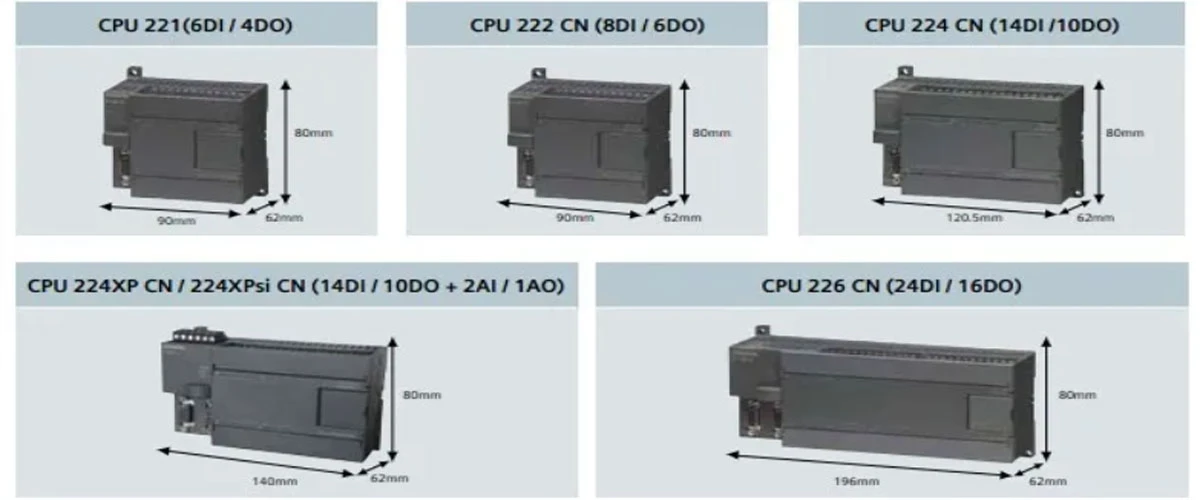
The S7-200 series is compact and designed for small automation tasks. It offers a modular design, allowing you to expand the system as needed. This series supports basic logic operations and simple control tasks. Its programming environment, STEP 7 Micro/WIN, is user-friendly and ideal for beginners. The S7-200 also features integrated communication ports, enabling easy connection to other devices. Its fast processing speed ensures quick response times, making it suitable for time-sensitive applications.
Best Applications
The S7-200 series works best in small-scale automation projects. You can use it for applications like vending machines, conveyor belt systems, and simple building automation. It is also a great choice for educational purposes, as its simplicity helps students and trainees learn the basics of PLC programming. If you need a cost-effective solution for straightforward tasks, the S7-200 is an excellent option.
Siemens plc S7-300 Series
Features and Capabilities
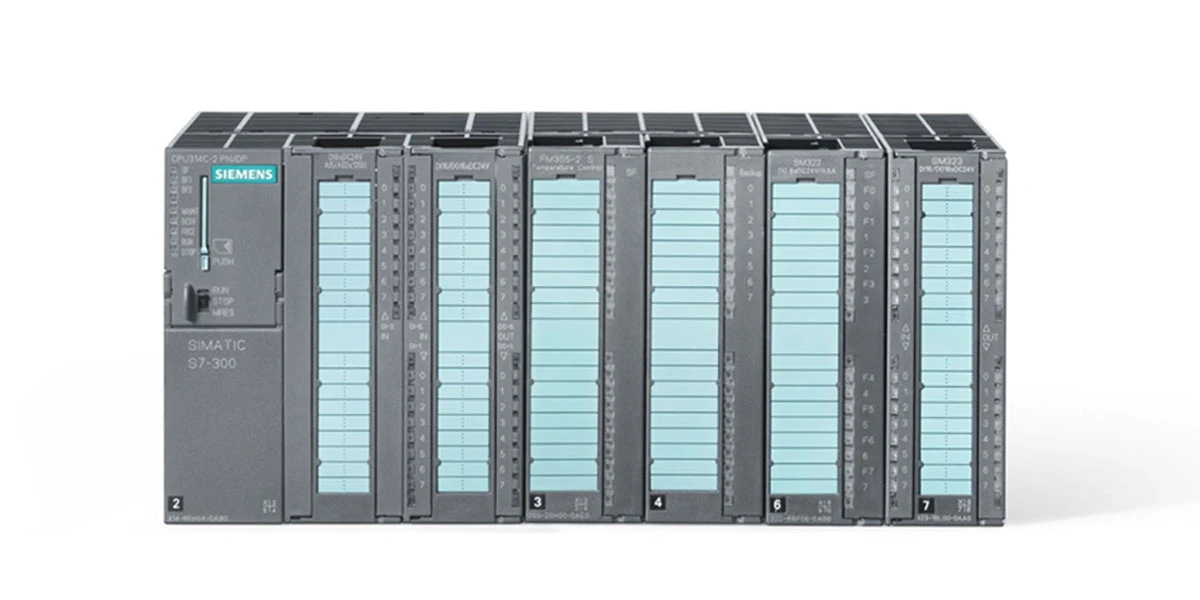
The S7-300 series is a versatile mid-range PLC designed for more complex automation tasks. It supports a wide range of modules, including digital and analog I/O, communication, and function modules. This series offers high processing power and memory capacity, enabling it to handle larger programs. The S7-300 also supports distributed automation systems through PROFIBUS and PROFINET communication protocols. Its modular design allows you to customize the system to meet specific requirements.
Best Applications
The S7-300 series is ideal for medium-sized automation projects. You can use it in industries like manufacturing, packaging, and water treatment. It excels in applications requiring distributed control systems, such as assembly lines and process control. If your project demands flexibility and scalability, the S7-300 is a reliable choice.
Siemens plc S7-400 Series
Features and Capabilities
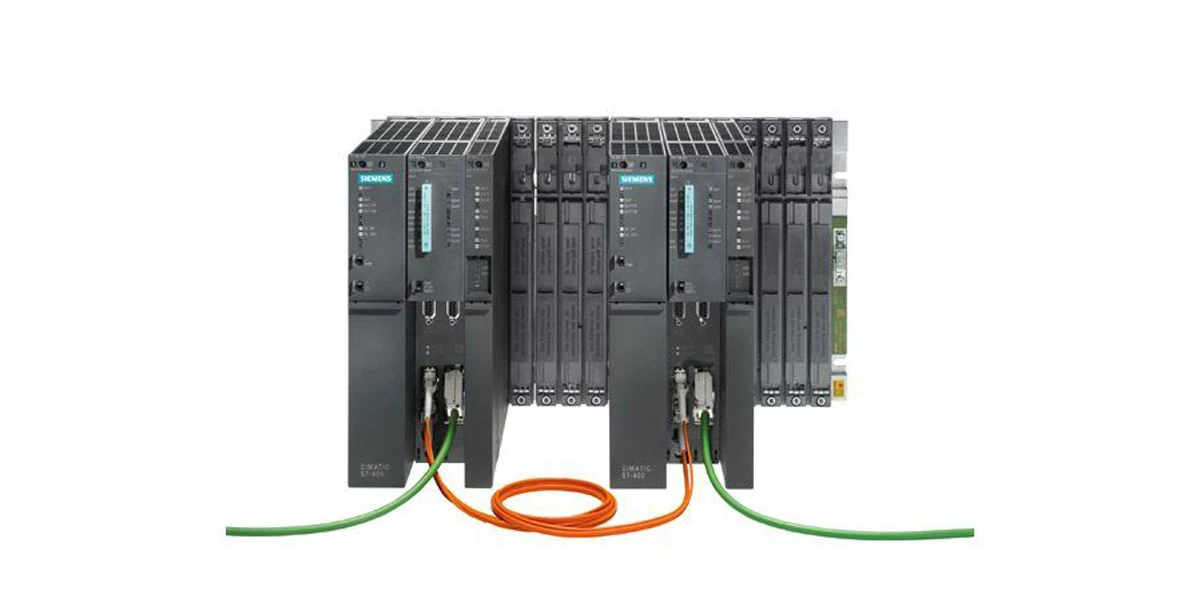
The S7-400 series is designed for high-performance and large-scale automation tasks. It supports multi-tier configurations using interface modules like IM360/IM361 and IM365. The series uses SIMATIC Programming devices (PG) and STEP 7 software for efficient programming. The SIMATIC Manager simplifies project management, while STEP 7 supports various programming languages for sequence control systems. The S7-400 also excels in process diagnosis, identifying over 98% of faults in peripherals. Its runtime software includes standard function blocks for closed-loop control tasks, making it suitable for process engineering.
|
Feature |
Description |
|
Multi-tier configurations |
The IM360/IM361 and IM365 enable multi-tier configurations through interface modules. |
|
Programming tools |
SIMATIC Programming devices (PG) are essential for using the STEP 7 software effectively. |
|
Project management |
The SIMATIC® Manager is the main program for managing STEP 7 projects on the WINDOWS desktop. |
|
Programming capabilities |
STEP 7 allows for programming sequence control systems and supports various programming languages. |
|
Process diagnosis |
Diagnosis focuses on process faults, with over 98% of faults occurring in peripherals. |
|
Closed-loop control engineering |
The runtime software supports closed-loop control tasks with standard function blocks for process engineering. |
Best Applications
The S7-400 series is perfect for large-scale and high-performance automation projects. You can use it in industries like oil and gas, power generation, and chemical processing. It is particularly effective in applications requiring advanced process control and fault diagnosis. If your project involves complex systems with high reliability demands, the S7-400 is the best choice.
Siemens plc S7-1200 Series
Features and Capabilities
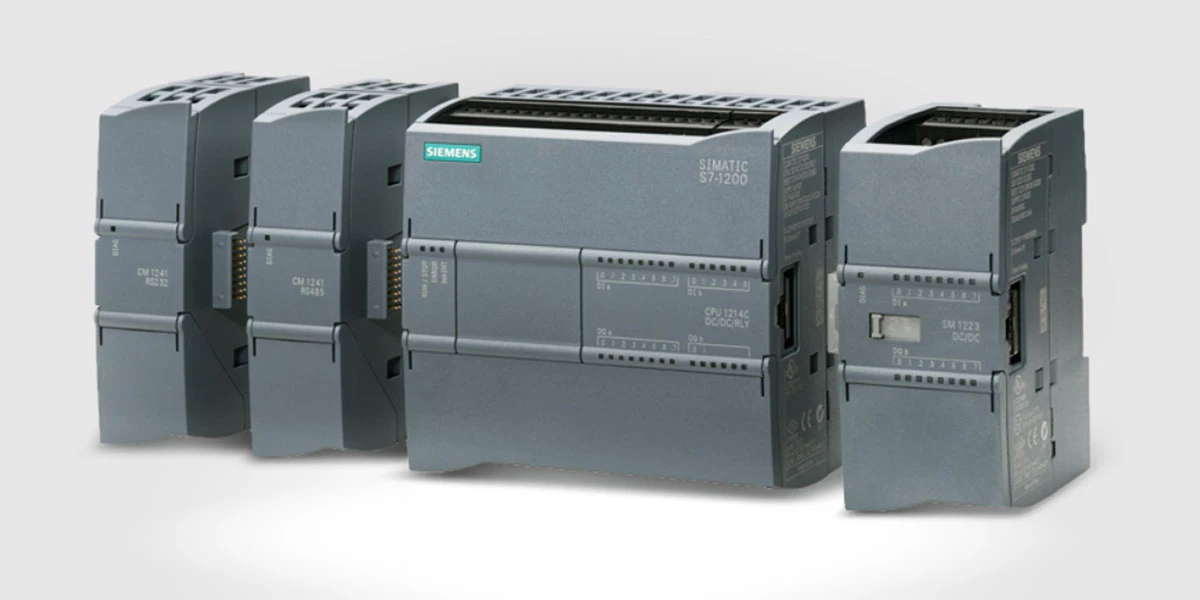
The S7-1200 series is a compact yet powerful PLC designed for small to medium-sized automation tasks. Its modular design allows you to expand the system as your needs grow. The S7-1200 G2 model introduces advanced features that enhance reliability and efficiency. For instance:
- Built-in NFC enables rapid fault diagnosis, allowing technicians to access diagnostic data wirelessly using smartphones.
- Advanced short-circuit protection ensures system reliability during electrical faults.
- Integration with the TIA Portal simplifies diagnostics and streamlines operations.
This series also addresses common challenges in industrial setups. Studies show that unplanned downtime can reduce factory productivity by 5% to 20%. The S7-1200 G2 controller minimizes these losses by streamlining fault resolution and reducing downtime. Additionally, its compatibility with the Ixxat CM CANopen bus communications module makes it a cost-effective and reliable choice for safety-critical applications.
Best Applications
The S7-1200 series excels in applications requiring precision and reliability. You can use it in industries like food processing, packaging, and building automation. It is ideal for tasks such as controlling conveyor belts, monitoring temperature, and managing lighting systems. A customer evaluation highlighted its quick implementation and cost-effectiveness, making it a popular choice for small-scale projects. If you need a PLC that balances performance and affordability, the S7-1200 series is a strong contender.
Siemens plc S7-1500 Series
Features and Capabilities
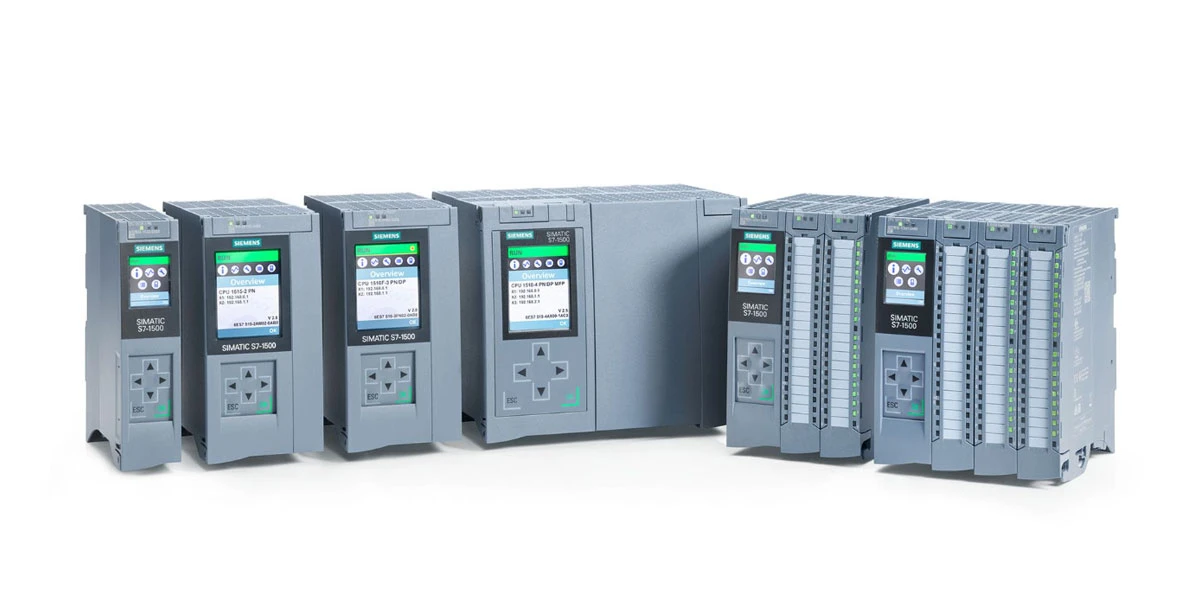
The S7-1500 series represents the pinnacle of Siemens' Five Major Series, offering unmatched performance for complex automation tasks. Its high-speed processing capabilities ensure rapid execution of programs, while its integrated security features protect against unauthorized access. The series also includes advanced diagnostic tools that simplify troubleshooting and reduce downtime. In the automotive sector, the integration of SIMATIC S7-1500 PLCs and the TIA Portal led to a 30% reduction in downtime and a 25% increase in production efficiency. These results demonstrate its ability to optimize operations and deliver measurable benefits.
The S7-1500 series supports a wide range of communication protocols, enabling seamless integration with other systems. Its modular design allows you to customize the setup to meet specific requirements. With its robust construction and advanced features, this series is built to handle demanding environments and ensure long-term reliability.
Best Applications
The S7-1500 series is ideal for large-scale and high-performance automation projects. You can use it in industries like automotive manufacturing, pharmaceuticals, and energy production. It excels in applications requiring precise control, such as robotic assembly lines and complex process engineering. The series delivers a strong return on investment, with ROI achieved in just 2.5 years in some cases. If your project demands top-tier performance and scalability, the S7-1500 series is the ultimate choice.
Key Factors for Choosing the Right Siemens PLC
System Complexity and Size
When selecting a Siemens PLC, you need to evaluate the complexity of your system and its size. A small-scale project, such as controlling a single conveyor belt, may only require a basic PLC like the S7-200 or S7-1200 series. These models handle simple logic operations and offer compact designs that fit smaller setups. On the other hand, larger systems with multiple interconnected processes demand more advanced PLCs like the S7-300 or S7-1500 series. These models provide higher memory capacity and support distributed control systems.
You should also consider the nature and quantity of I/O (input/output) processing. For example, a brewery that automated its production line with S7-1200 PLCs achieved a 20% increase in efficiency by optimizing I/O operations. Additionally, environmental factors like temperature, vibration, and humidity play a crucial role. Siemens PLCs are designed to withstand harsh conditions, but you must ensure the chosen model meets your specific environmental requirements.
Performance and Processing Power
The performance of a PLC directly impacts the efficiency of your automation system. High-performance tasks, such as robotic assembly lines or advanced process control, require PLCs with fast processing speeds and robust capabilities. The S7-1500 series, for instance, excels in these areas. An automotive manufacturer that implemented this series reduced manual errors and increased assembly speed, showcasing its ability to handle demanding applications.
Communication needs also influence performance. Siemens PLCs support various protocols like PROFINET and PROFIBUS, ensuring seamless integration with other devices. If your system requires real-time data exchange, prioritize models with advanced communication features. Additionally, special functions like built-in diagnostics and security features enhance operational reliability.
Budget and Cost Considerations
Budget plays a significant role in choosing the right Siemens PLC. While upfront costs are important, you should also consider the long-term financial impact. Lifecycle cost analysis helps you understand the total cost of ownership, including maintenance and upgrades. For example, Siemens Teamcenter provides tools to simulate pricing changes and assess cost performance, helping you make informed decisions.
Cost-effective models like the S7-1200 series offer a balance between affordability and functionality, making them ideal for small to medium-sized projects. For larger systems, the S7-1500 series may have a higher initial cost but delivers significant savings through improved efficiency and reduced downtime. In one case, the return on investment for an S7-1500 system was achieved in just 2.5 years.
Comparing Siemens' Five Major Series
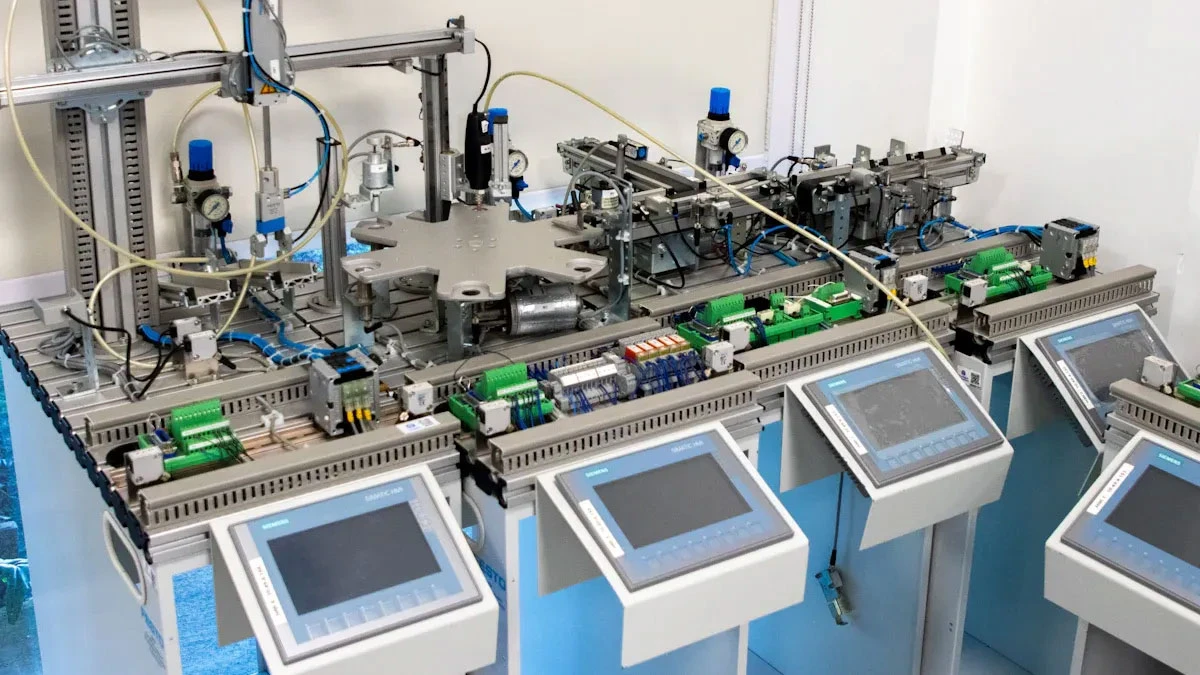
Image Source: pexels
Feature Comparison
When comparing Siemens' Five Major Series, you notice distinct differences in their features and capabilities. Each series is tailored to specific industrial needs, offering unique advantages. Here's how they stack up against each other and industry standards:
- Performance: The S7-1500 series leads in processing speed, outperforming competitors like Allen-Bradley ControlLogix. Its high-speed execution makes it ideal for demanding applications.
- Programming and Usability: Siemens' TIA Portal provides a user-friendly programming environment, surpassing Schneider Modicon M580's EcoStruxure Control Expert in ease of use.
- Scalability: The S7-1500 series offers exceptional scalability, accommodating a wide range of industrial applications better than Omron Sysmac NJ-Series.
- Connectivity and Industry 4.0 Integration: Siemens PLCs support multiple communication protocols, ensuring seamless integration with modern Industry 4.0 systems. This connectivity outshines competitors like Schneider Modicon M580.
- Cybersecurity: Siemens prioritizes advanced security features, providing better protection against cyber threats compared to Allen-Bradley ControlLogix and Schneider Modicon M580.
To further illustrate, here's a comparison of the S7-1200 series with other PLC options:
|
Feature |
Siemens S7-1200 |
Other PLC Options |
|
Programming Language |
STEP 7 MicroWIN (ST, FBD, LD) |
Varies (e.g., ST, LD, others) |
|
Communication Protocols |
Profibus, Ethernet/IP, Modbus TCP |
Varies |
|
Scalability |
Modular design allows expansion |
Varies |
|
Cost |
Competitive |
Varies |
This table highlights the S7-1200's strengths in modularity and cost-effectiveness, making it a reliable choice for small to medium-sized projects.
Application Strengths and WeaknessesApplication Strengths and Weaknesses
Each Siemens PLC series excels in specific applications, but understanding their strengths and weaknesses helps you make an informed choice. Here's a breakdown:
|
Criteria |
PLC Strengths |
DCS Strengths |
|
Application Type |
Effective for simple batch applications |
Better suited for complex batch manufacturing |
|
Cost of Downtime |
Lower impact if downtime is manageable |
Critical for high-value processes |
|
Speed of Logic Execution |
Designed for high-speed applications |
Slower scan rates are often sufficient |
|
Customization |
Flexible for unique needs |
Pre-engineered solutions for reliability |
|
Operator Role |
Handles exceptions, can run lights out |
Requires continuous interaction for optimal operation |
|
Redundancy |
Less critical, often not cost-justified |
High redundancy for safety in volatile environments |
FAQ
What is a Siemens PLC?
A Siemens PLC is a programmable logic controller used to automate industrial processes. It controls machinery and systems by executing pre-programmed instructions. Siemens offers five major PLC series, each designed for specific automation needs.
How do I choose the right Siemens PLC for my project?
Evaluate your system's complexity, size, and budget. Consider factors like processing power, scalability, and application-specific requirements. For example, use the S7-1200 for small tasks or the S7-1500 for high-performance projects.
Can Siemens PLCs handle harsh environments?
Yes, Siemens PLCs are built for industrial use. They can withstand extreme temperatures, vibrations, and humidity. Always check the specifications of the model to ensure it meets your environmental requirements.
What software do I need to program Siemens PLCs?
Siemens PLCs use the TIA Portal or STEP 7 software for programming. These tools provide a user-friendly interface for creating, testing, and deploying automation programs.
Are Siemens PLCs compatible with Industry 4.0 technologies?
Yes, Siemens PLCs support Industry 4.0 integration. They work with IIoT devices, advanced analytics, and real-time monitoring systems. This ensures your automation setup stays future-ready.
What is the difference between the S7-1200 and S7-1500 series?
The S7-1200 is compact and cost-effective, ideal for small to medium tasks. The S7-1500 offers higher processing power, advanced diagnostics, and scalability, making it suitable for complex, large-scale projects.
Can I upgrade my Siemens PLC system later?
Yes, Siemens PLCs feature modular designs. You can add or replace modules to expand functionality. This makes them a flexible and cost-effective choice for growing businesses.
How do Siemens PLCs improve efficiency?
Siemens PLCs automate repetitive tasks, reduce errors, and enable real-time monitoring. For example, using an S7-1500 can increase production speed and minimize downtime, leading to higher overall efficiency.


