

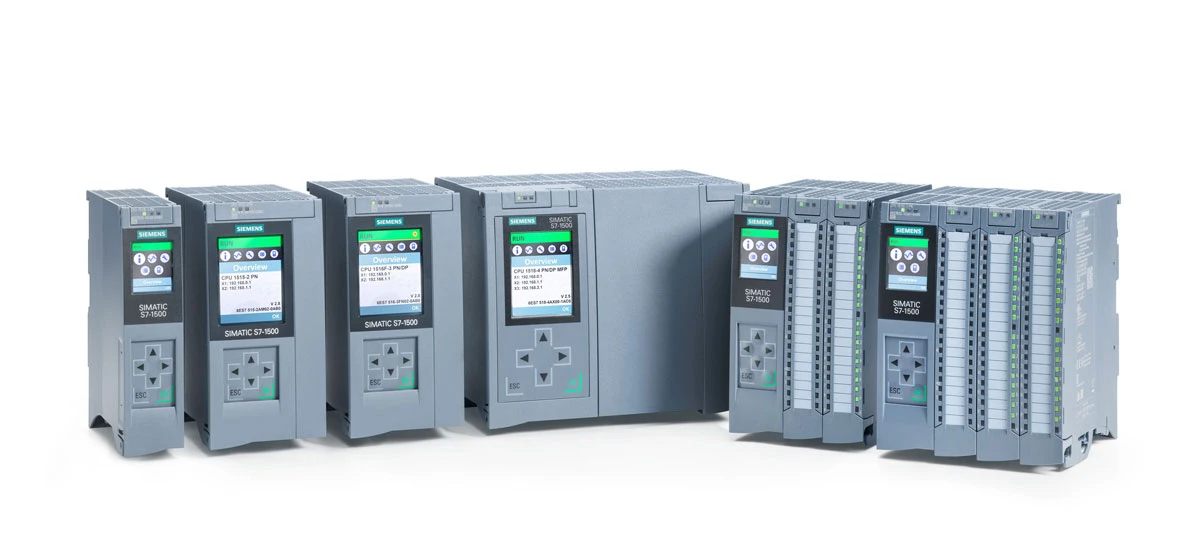
In the manufacturing world, mold and tooling equipment are the backbone of production. When these machines break down unexpectedly, factories face costly downtime, delayed orders, and lost profits. Traditional maintenance methods-like fixing equipment only after it fails or checking it on a set schedule-often fall short. They either miss small issues that turn into big problems or waste time on unnecessary checks. Today, there's a better way: predictive maintenance. And at the heart of this approach is leveraging data from Siemens PLC systems. Siemens PLC (Programmable Logic Controller) is a powerful tool that collects real-time data from mold and tooling equipment, helping manufacturers spot potential issues before they cause breakdowns. Let's explore how Siemens PLC data transforms predictive maintenance for mold and tooling equipment, and why it's a game-changer for modern factories.
Why Predictive Maintenance Matters for Mold and Tooling Equipment
Mold and tooling equipment works under tough conditions-high temperatures, constant pressure, and repeated cycles. Over time, parts like molds, cutters, and bearings wear out. Traditional reactive maintenance (fixing after failure) can lead to long production stops. For example, if a mold cracks during a production run, a factory might lose hours or even days while waiting for repairs. Scheduled preventive maintenance is better, but it's not perfect. It often checks equipment too early (wasting time and parts) or too late (missing developing issues).
Predictive maintenance solves these problems by using data to predict when maintenance is needed. It's like having a "health check" for your equipment-you only fix or replace parts when the data shows they're starting to wear out. This approach cuts downtime, reduces maintenance costs, and extends the life of mold and tooling equipment. And the most reliable source of this critical data? Siemens PLC systems. Siemens PLC devices are built to withstand harsh manufacturing environments, making them ideal for collecting accurate data from mold and tooling machines.
How Siemens PLC Data Powers Predictive Maintenance
Siemens PLC acts as the "brain" of mold and tooling equipment, controlling its operations and collecting real-time data. Every time the machine runs, the Siemens PLC tracks key metrics that reveal the equipment's health. This data is the foundation of predictive maintenance-without it, manufacturers can't make informed decisions about when to service their machines. Let's break down the key parts of this process, including the data collected and how Siemens PLC makes monitoring possible.
Key Data Points Collected by Siemens PLC in Mold Equipment
Siemens PLC data collection for mold equipment focuses on metrics that directly relate to wear and tear. Here are the most important ones:
1. Temperature: Mold and tooling equipment generates a lot of heat during operation. Abnormal temperature spikes or drops can signal issues like a failing heater, blocked cooling channels, or worn parts rubbing together. Siemens PLC tracks temperature in real time, alerting operators to unusual changes.
2. Pressure: Many mold processes (like injection molding) rely on precise pressure levels. If pressure becomes unstable-too high or too low-it could mean a mold is clogged, a valve is sticking, or a hydraulic system is failing. Siemens PLC records pressure data continuously, helping spot these issues early.
3. Vibration: All machines vibrate, but excessive or irregular vibration is a sign of trouble. Loose bolts, worn bearings, or misaligned parts can cause abnormal vibration, which damages equipment over time. Siemens PLC connects to vibration sensors on mold and tooling machines, capturing this data and flagging concerns.
4. Cycle Time: The time it takes for the equipment to complete one production cycle (e.g., closing a mold, injecting plastic, opening the mold) is a key metric. If cycle time starts to increase, it may mean parts are wearing out and the machine is working harder than normal. Siemens PLC tracks cycle time down to the second, making small changes easy to spot.
5. Run Time: How long the equipment has been operating without a break helps predict when parts will need replacement. Siemens PLC logs total run time, so manufacturers can plan maintenance based on actual usage, not just a random schedule.
Siemens PLC Sensors and Real-Time Monitoring for Tooling Upkeep
To collect all this data, Siemens PLC works with a network of sensors attached to mold and tooling equipment. These sensors are designed to handle the high temperatures, dust, and moisture common in manufacturing plants-just like Siemens PLC itself. The sensors send real-time data to the Siemens PLC, which processes it instantly. If any metric goes outside the normal range (set by the manufacturer), the Siemens PLC triggers an alert. This real-time monitoring means operators don't have to wait for scheduled checks to find problems; they're notified as soon as an issue starts to develop.
For example, imagine a tooling machine where a bearing is starting to wear out. The vibration sensor detects increased vibration and sends this data to the Siemens PLC. The Siemens PLC compares the vibration level to the normal range and alerts the maintenance team. The team can then replace the bearing during a planned break, avoiding an unexpected breakdown that would stop production.
Practical Steps to Leverage Siemens PLC Data for Predictive Maintenance
Using Siemens PLC data for predictive maintenance isn't complicated, but it requires a clear process. Here are the practical steps manufacturers can take to get started:
1. Data Collection Setup with Siemens PLC
First, ensure your Siemens PLC is properly connected to all critical sensors on the mold and tooling equipment. Work with a Siemens-certified technician to set up the PLC to collect the right data points (temperature, pressure, vibration, etc.). You'll also need to set "normal" ranges for each metric-these ranges can come from the equipment's manual, past performance data, or Siemens' recommendations. The Siemens PLC will use these ranges to identify abnormal data.
2. Analyzing Siemens PLC Data for Maintenance Alerts
Next, you need to analyze the data collected by the Siemens PLC. Many modern Siemens PLC systems come with built-in software (like Siemens TIA Portal) that makes analysis easy. The software can generate reports, display real-time data on dashboards, and send alerts via email or text when abnormal data is detected. For small to medium factories, this built-in software is often enough. Larger factories may use additional analytics tools to spot trends over time-like noticing that a certain mold part wears out faster after 1,000 cycles.
How to use Siemens PLC data for equipment maintenance? Start by reviewing daily or weekly reports from the PLC software. Look for consistent trends (e.g., slowly increasing temperature in a mold) or sudden spikes (e.g., a sharp rise in vibration). These are the signals that maintenance is needed.
3. Implementing Predictive Actions Based on PLC Insights
Once the Siemens PLC data identifies a potential issue, it's time to act. The key here is to schedule maintenance during non-production hours to avoid downtime. For example, if the data shows a mold's cooling system is starting to fail, schedule a repair for the end of the shift. If the data shows a tool is wearing out, order a replacement part in advance so it's ready when needed.
It's also important to track the results of your predictive maintenance efforts. Did fixing the issue reduce downtime? Did replacing a part before it failed save money? This data will help you refine your predictive maintenance process over time, making it even more effective.
Real-World Benefits of Siemens PLC-Based Predictive Maintenance
Manufacturers that use Siemens PLC-based predictive maintenance solutions see significant benefits. Let's look at a real example: a small injection molding factory was struggling with frequent mold breakdowns. They were using reactive maintenance, which led to an average of 8 hours of downtime per month. After installing a Siemens PLC system to collect temperature, pressure, and vibration data, they switched to predictive maintenance.
Within six months, the factory's downtime dropped by 60%-from 8 hours to just 3.2 hours per month. They also reduced maintenance costs by 25% because they were no longer replacing parts that were still in good condition. The plant manager noted that the Siemens PLC data helped them spot issues "before they became emergencies," allowing them to keep production running smoothly. This is just one example of how Siemens PLC data transforms mold and tooling maintenance.
Other benefits include: longer equipment life (since parts are replaced before they cause damage to other components), improved product quality (abnormal equipment conditions often lead to defective products), and happier employees (less stress from unexpected breakdowns and urgent repairs).
Why Siemens PLC Is a Trusted Choice for Predictive Maintenance
1. Expertise: Siemens has decades of experience in industrial automation. Their PLC systems are designed specifically for manufacturing environments, so they're reliable, durable, and able to collect accurate data even in harsh conditions.
2. Reliability: Siemens PLC systems have a proven track record of performance. Manufacturers around the world trust them to control critical equipment and collect important data-this trustworthiness is key for predictive maintenance, where accurate data is essential.
3. Support: Siemens offers comprehensive support for their PLC systems, including training, technical assistance, and software updates. This ensures that manufacturers can get the most out of their PLC data for predictive maintenance.
4. Compatibility: Siemens PLC systems work with a wide range of sensors and other industrial equipment, making them easy to integrate into existing production lines. This means manufacturers don't have to replace their entire setup to start using predictive maintenance.
Conclusion
Leveraging Siemens PLC data for predictive maintenance in mold and tooling equipment is no longer a luxury-it's a necessity for manufacturers that want to stay competitive. By collecting real-time data on temperature, pressure, vibration, and other key metrics, Siemens PLC helps spot potential issues before they cause breakdowns. This reduces downtime, cuts maintenance costs, and extends the life of critical equipment.
Whether you're a small factory just starting with predictive maintenance or a large manufacturer looking to improve your existing process, Siemens PLC is a reliable, trusted tool to help you succeed. The key steps-setting up data collection, analyzing the data, and acting on insights-are straightforward, and the benefits are significant. With Siemens PLC, you can move from reacting to equipment failures to predicting and preventing them, keeping your production line running smoothly and efficiently.


