

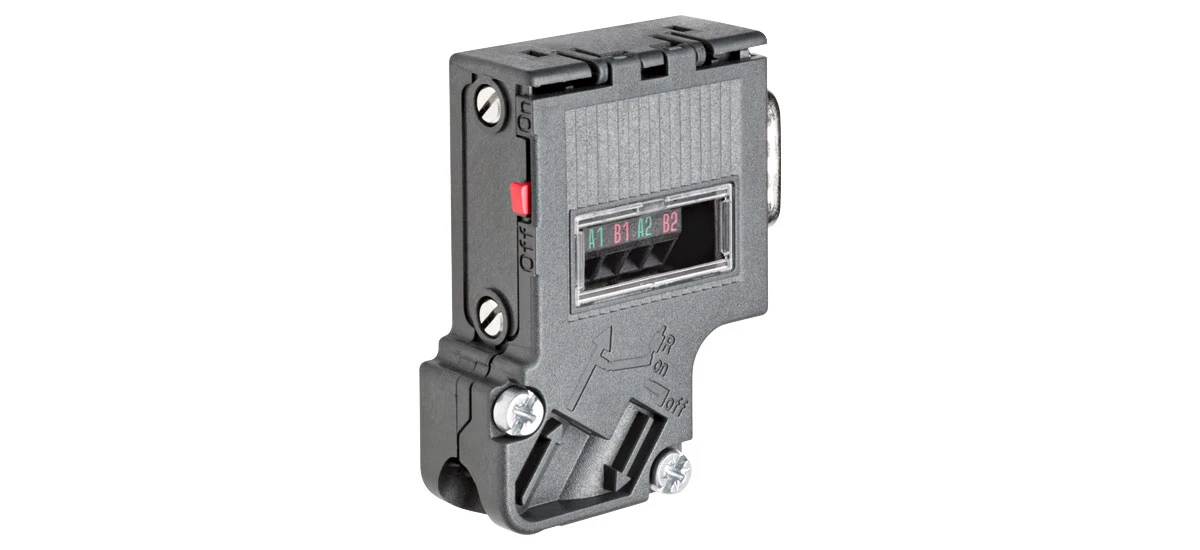
If you work with factory machines or industrial automation, you've probably heard of PROFIBUS-a popular system that helps devices "talk" to each other. But do you know the difference between PROFIBUS DP and PA bus connectors? These small but crucial parts make sure data flows smoothly between machines, and picking the wrong one can slow down your work or even cause safety risks. Let's break down what they are, how they differ, and where to use each-starting with the essential PROFIBUS DP bus connector.
What Are PROFIBUS DP and PA Bus Connectors?
First, let's get clear on what each connector does. Both are part of the PROFIBUS family, which links industrial devices like sensors, motors, and controllers. But they're designed for very different jobs, so understanding their basics saves time and mistakes later.
What Is a PROFIBUS DP Bus Connector?
The PROFIBUS DP bus connector is built for "Decentralized Peripherals" (that's what "DP" stands for). It's made to handle fast data transfer between machines in regular factory settings-places where speed matters. Most PROFIBUS DP bus connectors also have LED indicators (small lights) to show if the connection is working; this helps technicians quickly spot issues like loose wires without taking the connector apart. Think of it as a bridge: it connects devices like conveyor belts, packaging machines, or robot arms to a central control system. The PROFIBUS DP bus connector is easy to install-most have simple screw terminals-and it works well with common automation tools from brands like Siemens or Rockwell. For example, a car factory might use a PROFIBUS DP bus connector to link its assembly line robots so they move in sync when attaching car parts.
What Is a PROFIBUS PA Bus Connector?
PROFIBUS PA stands for "Process Automation." Unlike the PROFIBUS DP bus connector, this one is for slow, steady data transfer in tough or dangerous places. "Process automation" means jobs like monitoring chemical tanks, oil pipelines, or pharmaceutical mixers-areas where safety (not speed) is the top priority. The PROFIBUS PA bus connector is built to be "intrinsically safe," which means it won't create sparks (so it's safe in places with flammable gases or dust). It also uses less power than the PROFIBUS DP bus connector and often has a sealed casing to keep out moisture or chemicals.
Key Differences Between PROFIBUS DP and PA Bus Connectors
Now that we know the basics, let's look at their main differences. These differences help you pick the right one for your job-no guesswork needed.
Purpose and Speed
The biggest difference is speed and use case. The PROFIBUS DP bus connector is all about speed-it can transfer data up to 12 Mbps (that's fast enough to send a small photo in less than a second). This speed is critical for "discrete automation," where machines do specific, quick tasks (like putting caps on bottles or attaching screws to electronics). If a connector is too slow here, the whole production line can stop.
The PROFIBUS PA bus connector is much slower-only 31.25 kbps (about 380 times slower than DP). But that's okay because it's for "process automation," where you don't need speed-you need constant, reliable data. For example, a sensor in a chemical tank only needs to send temperature or pressure data every few seconds, not every millisecond. The PROFIBUS PA bus connector focuses on consistency over speed, so you never miss important safety updates.
Environmental Durability
Another big difference is where they work. The PROFIBUS DP bus connector is made for regular factory floors-places with some dust, vibration, or mild temperature changes. It can handle temperatures between 0°C and 60°C (32°F to 140°F), which covers most standard factory conditions, but it can't survive in freezing cold (like a warehouse without heating) or extremely hot areas (like a metal foundry). It's durable for everyday use, but it's not built for explosive or corrosive environments.
The PROFIBUS PA bus connector is made for harsh, dangerous places. Its intrinsic safety design means it's safe in explosive zones (like oil refineries or paint factories). It can also handle extreme temperatures-from -40°C to 85°C (-40°F to 185°F)-and resist corrosive chemicals (like acids in a battery plant) or heavy humidity (like a water treatment facility). If you're working in a place where safety signs say "No Open Flames," the PROFIBUS PA bus connector is the one you need-not the PROFIBUS DP bus connector.
Power Supply
Power is also different. The PROFIBUS DP bus connector usually needs a separate power supply (from the factory's main power system). The separate power supply typically uses 24V DC, a common voltage in industrial settings, so it's easy to find compatible power units for the PROFIBUS DP bus connector. It uses more power because it's transferring data quickly-this extra power keeps the connection fast and stable.
The PROFIBUS PA bus connector gets power through the same cable that carries data (this is called "power over bus"). It uses less power (usually around 100mA), which is important in dangerous areas where extra power sources could spark or overheat. This "power over bus" design also makes installation easier-you don't need to run a separate power cable, unlike with the PROFIBUS DP bus connector, which saves time and reduces clutter.
Applications: Where to Use Each Connector
Knowing their differences helps you choose the right connector for your specific job. Let's look at real-world uses where each one works best.
Where to Use the PROFIBUS DP Bus Connector
The PROFIBUS DP bus connector is everywhere in discrete automation-places where machines do quick, repetitive tasks. Here are common examples:
- Car Factories: It connects robots on the assembly line to the control system. For instance, when attaching a car's windshield, the PROFIBUS DP bus connector sends signals from the control system to the robot to lift the windshield, align it with the frame, and apply adhesive-all in less than a second. The speed of the PROFIBUS DP bus connector ensures the robot doesn't delay the next step in the line.
- Packaging Plants: It links machines that fill, seal, and label products. For example, a juice bottling line uses the PROFIBUS DP bus connector to tell the filling machine when to stop pouring (once the bottle is full) and the capping machine when to start sealing. A slow connector would make the line back up, but the PROFIBUS DP bus connector keeps it moving.
- Food Processing: It connects conveyors and mixers. The PROFIBUS DP bus connector is easy to clean (many have smooth, plastic casings that wipe down with disinfectant-important for food safety) and fast enough for busy lines, like a bakery's cookie dough mixing and shaping machines.
If you're asking, "how to choose PROFIBUS DP bus connector for industrial machines"-start by checking the machine's data transfer speed needs and the factory's environmental conditions. Also, check "PROFIBUS DP bus connector compatibility with automation systems"-most major brands (like Siemens, Allen-Bradley, or Phoenix Contact) make systems that work with it, so you won't have to replace existing tools.
Where to Use the PROFIBUS PA Bus Connector
The PROFIBUS PA bus connector is for process automation and dangerous areas-places where safety and reliability matter more than speed. Examples include:
- Chemical Plants: It connects sensors that monitor chemical levels or pressure in tanks. For example, a tank holding gasoline uses a sensor linked by a PROFIBUS PA bus connector to send real-time pressure data to the control system. If pressure gets too high, the system shuts off the tank's valve-preventing leaks or explosions.
- Oil Refineries: It links sensors in pipelines to track flow and temperature. The pipelines carry hot, flammable oil, so the PROFIBUS PA bus connector's intrinsic safety design keeps it from sparking. It can also handle the refinery's high heat (up to 80°C) and corrosive fumes from oil processing.
- Water Treatment Plants: It connects sensors that measure pH levels or water flow in filtration systems. The plants are wet and humid, but the PROFIBUS PA bus connector's sealed casing keeps moisture out-unlike the PROFIBUS DP bus connector, which might short out in damp conditions.
How to Choose Between Them
Choosing the right connector is easy once you ask these three simple questions:
- Do I need speed? If your machine needs to send/receive data quickly (like a robot or packaging line), pick the PROFIBUS DP bus connector. If you just need steady, slow data (like a temperature sensor), pick PA.
- Is the area dangerous? If it's explosive, corrosive, or extremely hot/cold (like a refinery or chemical plant), pick PA. If it's a regular factory with mild conditions, pick the PROFIBUS DP bus connector.
- Do I want easy power? If you want to use one cable for both data and power (to save time and reduce hazards), pick PA. If you don't mind a separate power cable (and have access to 24V DC power), the PROFIBUS DP bus connector works.
Also, remember these tips:
- For installation: "PROFIBUS DP bus connector installation tips for factories" include checking wiring tightness (loose wires cause connection drops) and keeping the connector away from water or metal shavings (which can damage it).
- For durability: If your factory has lots of dust or vibration (like a woodworking shop), choose a "durable PROFIBUS DP bus connector for harsh industrial environments"-look for ones with metal casings instead of plastic, as metal holds up better to bumps.
- For problems: "PROFIBUS DP bus connector troubleshooting common issues" start with checking the LED indicators (if the light is red, there's a connection problem) and inspecting the cable (broken or frayed cables are a top cause of failures)-restarting the control system can also fix small glitches.
Final Thoughts
PROFIBUS DP and PA bus connectors both help industrial machines work together, but they're built for very different jobs. The PROFIBUS DP bus connector is fast, easy to install, and perfect for regular factories-use it for assembly lines, packaging, or food processing where speed matters. The PROFIBUS PA bus connector is slow, safe, and made for dangerous areas-use it for chemicals, oil, or water treatment where safety and reliability are key.
When you pick a connector, always match it to your environment and speed needs. The PROFIBUS DP bus connector is the most common choice for discrete automation, so it's a safe bet for most standard factories. But don't forget the PROFIBUS PA bus connector when working in risky areas-cutting corners on safety here can lead to big problems. With the right connector, your machines will talk smoothly, your production line will run without delays, and your workplace will stay safe.


