

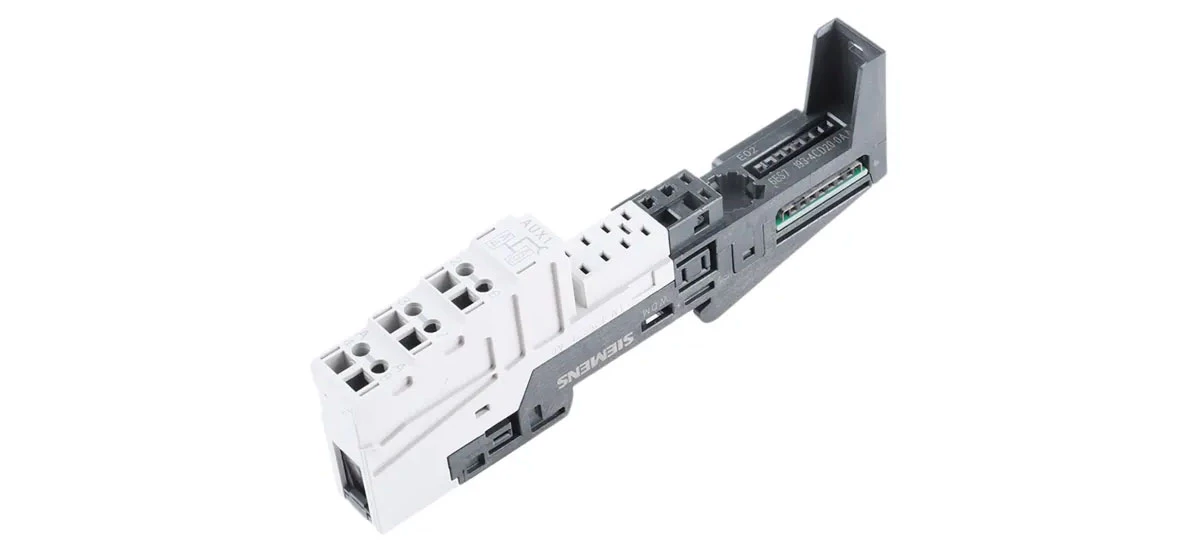
Introduction to Siemens 6ES7193-4CD20-0AA0 and Compatible Modules
The Siemens 6ES7193-4CD20-0AA0 is a popular signal board designed for the Siemens S7-1200 PLC (Programmable Logic Controller) series. It helps expand the PLC's input/output (I/O) capabilities, making it easier to connect sensors, motors, and other industrial devices. This module is known for its compact size and ability to work seamlessly in harsh industrial environments-like factories with dust or temperature changes.
Compatible modules, also called third-party modules, are made by other companies to work with S7-1200 PLCs too. They often cost less than the original Siemens 6ES7193-4CD20-0AA0, but many users wonder if they offer the same quality or reliability. In this blog, we'll compare the Siemens 6ES7193-4CD20-0AA0 with compatible modules in key areas like specs, cost, and performance.
Key Specifications: Siemens 6ES7193-4CD20-0AA0 vs. Compatible Modules
Specifications tell you how a module works and what it can handle. Let's break down the most important ones for the Siemens 6ES7193-4CD20-0AA0 and its third-party alternatives.
Physical Dimensions and Installation
The Siemens 6ES7193-4CD20-0AA0 has a compact design: it measures about 45mm (width) x 125mm (height) x 90mm (depth). This small size is great for tight spaces in control cabinets, where every inch matters. It uses a standard DIN rail installation-this is a common metal rail in industrial setups, so you can mount it quickly without special tools.
Most compatible modules copy the Siemens 6ES7193-4CD20-0AA0's size to fit the same cabinets. However, some cut corners: their mounting holes might not line up perfectly with DIN rails, or they might be slightly thicker. This can add time to installation-you might need to drill new holes or adjust other modules to make the compatible one fit.
Electrical Performance
Electrical performance is critical for industrial modules, as bad performance can cause machine downtime. The Siemens 6ES7193-4CD20-0AA0 runs on 24V DC power, which is standard in most factories. It can handle input currents up to 10mA per channel and output currents up to 0.5A per channel-enough to power small motors or trigger alarms. It also has fast signal transmission: it sends data to the PLC in less than 1ms, so there's no lag in machine responses.
Compatible modules often claim to match the Siemens 6ES7193-4CD20-0AA0's electrical specs, but real-world tests show differences. For example, some compatible modules only work with 22-23V DC instead of 24V DC. If your factory's power supply fluctuates a little (which is common), the compatible module might shut down unexpectedly. Others have slower signal transmission-up to 5ms-so machines might react late, leading to errors in production.
Siemens 6ES7193-4CD20-0AA0 Compatibility with Industrial Systems
One of the biggest advantages of the Siemens 6ES7193-4CD20-0AA0 is its perfect compatibility with Siemens S7-1200 PLCs. It works with all S7-1200 models (like the 1214C or 1215C) without needing firmware updates. It also supports Siemens' PROFINET protocol-a system that lets modules and PLCs communicate quickly over a network. This means you can easily add the Siemens 6ES7193-4CD20-0AA0 to an existing Siemens setup and start using it right away.
Compatible modules struggle here. Many require you to update the PLC's firmware (software) to work-and if the firmware update fails, it can break the entire PLC system. Some compatible modules don't support PROFINET at all; instead, they use slower protocols. This can cause communication gaps: the PLC might not get data from the module, leading to machines stopping for no reason. For example, a food processing plant using a compatible module reported that their conveyor belt stopped 3 times a week because the module lost connection to the PLC.
Cost and Value Analysis: Siemens 6ES7193-4CD20-0AA0 vs. Compatible Modules
Cost is a big factor for many businesses, but it's important to look at long-term value, not just the initial price.
Initial Purchase Price
The Siemens 6ES7193-4CD20-0AA0 usually costs between 150 and 200. Compatible modules are cheaper-most range from 80 to 120. At first glance, compatible modules seem like a better deal. But you need to consider other costs that add up over time.
Long-Term Maintenance and Replacement Costs
The Siemens 6ES7193-4CD20-0AA0 is built to last. Siemens tests it for harsh conditions: it can work in temperatures from -25°C to 60°C (-13°F to 140°F) and resist vibration and dust. Most users report that the Siemens 6ES7193-4CD20-0AA0 lasts 5 to 7 years without needing repairs. If it does break, Siemens has a global support team-you can get a replacement in 24 to 48 hours, and their technicians can help troubleshoot over the phone.
Compatible modules have higher long-term costs. Many only last 2 to 3 years because they use cheaper parts. For example, a car parts factory bought 10 compatible modules to replace the Siemens 6ES7193-4CD20-0AA0. Within 2 years, 6 of them broke. Each replacement took 2 weeks to arrive, and the factory lost $5,000 in production time for each downtime. The initial savings from buying compatible modules were wiped out by repair and replacement costs.
This is why the cost comparison of Siemens 6ES7193-4CD20-0AA0 vs. compatible modules isn't just about the first purchase-it's about how much you'll spend over the module's life.
Reliability and Durability: Siemens 6ES7193-4CD20-0AA0 vs. Third-Party Modules
Reliability means a module works consistently without breaking. Durability means it can handle tough industrial conditions. The Siemens 6ES7193-4CD20-0AA0 excels in both areas.
Siemens puts the 6ES7193-4CD20-0AA0 through strict tests before selling it. It's tested for electromagnetic interference (EMI)-this is important because factories have many machines that emit electrical signals, which can disrupt modules. The Siemens 6ES7193-4CD20-0AA0 also resists water splashes and dust (it has an IP20 rating, meaning it's protected from solid objects larger than 12mm). In a survey of 100 industrial users, 92% said their Siemens 6ES7193-4CD20-0AA0 had never failed.
Compatible modules rarely go through the same tests. A study by an industrial tech group found that 40% of compatible modules failed within 1 year when used in factories with high vibration (like metal stamping plants). Another issue is temperature: many compatible modules only work between 0°C and 50°C (32°F and 122°F). If a factory's temperature drops below 0°C in winter, the compatible module might freeze and stop working. The reliability of Siemens 6ES7193-4CD20-0AA0 vs. third-party modules is clear-Siemens is more trustworthy for critical operations.
How to Choose Between Siemens 6ES7193-4CD20-0AA0 and Compatible Modules
Choosing the right module depends on your project's needs. Here's a simple guide to help you decide:
If You Have a Critical System
If the module is part of a critical system (like a medical device, emergency stop system, or a production line that runs 24/7), choose the Siemens 6ES7193-4CD20-0AA0. Critical systems can't afford downtime-even a 1-hour stop can cost thousands of dollars. The Siemens 6ES7193-4CD20-0AA0's reliability and Siemens' fast support will keep your system running.
If You Have a Small, Non-Critical Project
If you're using the module for a small project (like a lab experiment or a small packaging machine that runs 8 hours a day), a compatible module might work. But first, test it with your PLC to make sure it's compatible. Also, buy an extra one in case it breaks-since replacements take longer.
If You Care About Long-Term Support
Siemens offers support for the 6ES7193-4CD20-0AA0 for up to 10 years. This means you can get parts and help even if you bought the module 8 years ago. Most third-party companies only offer 1 to 2 years of support. If you plan to use the module for a long time, the Siemens 6ES7193-4CD20-0AA0 is a better choice.
Siemens 6ES7193-4CD20-0AA0 Installation Guide vs. Compatible Modules
Installing the Siemens 6ES7193-4CD20-0AA0 is straightforward, even for beginners. Here's a simple step-by-step:
- Turn off the PLC's power to avoid electrical shocks.
- Align the Siemens 6ES7193-4CD20-0AA0 with the DIN rail and snap it into place.
- Connect the 24V DC power cable to the module's power port.
- Connect your sensors or devices to the module's I/O ports (follow the label on the module: "Input 1," "Output 1," etc.).
- Turn on the PLC's power and use Siemens' TIA Portal software to activate the module- the software will automatically detect the Siemens 6ES7193-4CD20-0AA0.
Compatible modules often have confusing installation steps. Their manuals are sometimes poorly translated (from Chinese or German), so instructions are hard to follow. For example, one compatible module's manual said to "connect the red wire to port A," but the port wasn't labeled. Some compatible modules also require you to manually set parameters in the PLC software-if you set a parameter wrong, the module won't work. This can add hours to installation time, whereas the Siemens 6ES7193-4CD20-0AA0 usually takes 15 to 20 minutes to install.
Conclusion: Making the Right Choice for Your Industrial Needs
The Siemens 6ES7193-4CD20-0AA0 and compatible modules both work with S7-1200 PLCs, but they differ in key areas. The Siemens 6ES7193-4CD20-0AA0 offers better compatibility, reliability, and long-term support-making it ideal for critical industrial systems. While compatible modules are cheaper upfront, their higher maintenance costs and shorter lifespan often make them more expensive in the long run.
When choosing, ask yourself: Can my system afford downtime? Will I need support in 5 years? If the answers are "no" and "yes," the Siemens 6ES7193-4CD20-0AA0 is worth the investment. For small, non-critical projects, a compatible module might work-but always test it first.
No matter what you choose, remember that the module is a key part of your industrial setup. Investing in a quality module like the Siemens 6ES7193-4CD20-0AA0 will save you time, money, and stress in the future.


