

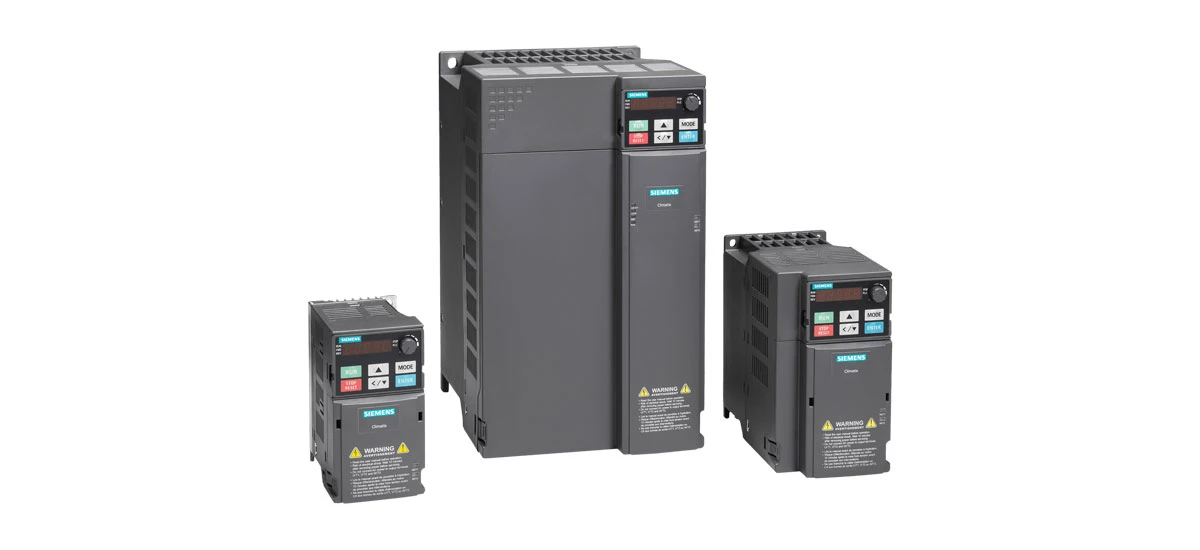
The pulp and paper industry is vital for making everyday products like notebooks, paper towels, and packaging. To keep these factories running smoothly and efficiently, many rely on Siemens VFDs (Variable Frequency Drives). Siemens VFDs are powerful tools that control the speed of electric motors, helping pulp and paper mills save energy, improve product quality, and reduce downtime. In this blog, we'll explore how Siemens VFDs work with three key machines in pulp and paper production: refiners, headboxes, and winder drives. We'll also explain why Siemens VFDs are a top choice for mills around the world, with practical examples and benefits that matter for factory owners and operators.
What Are Siemens VFDs, and Why Do Pulp Mills Need Them?
First, let's break down what a Siemens VFD is. A Variable Frequency Drive (VFD) is an electronic device that adjusts the frequency and voltage sent to an electric motor. This means it can change the motor's speed to match the exact needs of a machine-no more wasting energy by running a motor at full speed when it doesn't need to. Siemens is one of the world's top manufacturers of VFDs, with its SINAMICS family of drives designed to work in tough industrial environments like pulp and paper mills. Siemens VFDs are known for their reliability, energy efficiency, and easy operation, which is why they're used in thousands of pulp and paper facilities globally.
Pulp and paper mills face big challenges: rising energy costs, strict environmental rules, and the need to make high-quality products consistently. Siemens VFDs help solve these problems by optimizing motor performance. They reduce energy use by up to 50% in some applications, which cuts electricity bills and lowers carbon footprints. They also make machines run more smoothly, reducing wear and tear and minimizing costly breakdowns. For mills that rely on refiners, headboxes, and winder drives-three machines that directly affect product quality-Siemens VFDs are not just a tool but a necessity.
Siemens VFDs in Action: Key Machines in Pulp and Paper Production
Every step in pulp and paper production matters, but refiners, headboxes, and winder drives are among the most critical. Let's look at how Siemens VFDs improve each of these machines, with real-world benefits that make a difference for mills.
Siemens VFDs for Pulp and Paper Refiners
Refiners are the heart of pulp production. Their job is to grind wood chips or recycled paper into a smooth pulp, which is then used to make paper. To get the right pulp quality, refiners need precise control over their speed-too fast, and the pulp might be too fine; too slow, and it might be too rough. This is where Siemens VFDs shine. Siemens VFDs for pulp and paper refiners allow operators to adjust the refiner's speed in small increments, ensuring the pulp meets exact quality standards every time.
Before Siemens VFDs, many refiners ran at a fixed speed, which wasted energy and led to inconsistent pulp. Now, with Siemens VFDs, refiners can slow down when demand is low or when processing softer materials and speed up when needed. This not only saves energy but also reduces wear on the refiner's blades, extending the machine's life. For example, a pulp mill in Sweden used Siemens VFDs to replace traditional throttle valves on its refiner pumps and saw energy savings of over 50% with a payback period of just over two years. Siemens VFDs also make refiners easier to operate, with simple controls that let operators adjust settings quickly and reduce human error.
Siemens Variable Frequency Drives for Headbox Drives
After the pulp is refined, it moves to the headbox-a machine that spreads the pulp evenly onto a moving wire to form the paper sheet. The headbox's job is critical: if the pulp flow is uneven, the paper will be thick in some spots and thin in others, making it unusable. Headboxes rely on motors to control the flow and pressure of the pulp, and Siemens variable frequency drives for headbox drives ensure this control is precise and consistent.
Siemens VFDs adjust the speed of the headbox's motors in real time, keeping the pulp flow steady even as production demands change. They also help maintain a constant pressure, which is key for making smooth, uniform paper. In a large boxboard mill in China, Siemens SINAMICS S120 VFDs were used to control the headbox and other key machines, reducing paper breaks and increasing product output significantly. The VFDs' high-precision speed control ensured the pulp flowed evenly, resulting in higher-quality boxboard. Siemens VFDs also integrate easily with other mill systems, making it easier to monitor and adjust the headbox from a central control room.
Siemens VFDs to Improve Winder Drive Efficiency
The final step in paper production is winding the finished paper into rolls using winder drives. Winder drives need to control the tension of the paper as it's rolled-too much tension, and the paper tears; too little, and the roll is loose and uneven. Siemens VFDs to improve winder drive efficiency are designed to handle this challenge with precision.
Siemens VFDs adjust the winder's motor speed to match the speed of the paper, keeping tension consistent throughout the winding process. They also allow operators to program different tension settings for different paper types, from thin tissue to thick cardboard. This flexibility makes winder drives more versatile and reduces waste from torn or poorly wound rolls. A study on traditional winders found that adding Siemens VFDs improved efficiency by reducing energy waste during idle periods and enabling regenerative braking, which recycles excess energy back into the mill's power supply. Siemens VFDs also reduce wear on winder components, cutting maintenance costs and minimizing downtime.
Why Choose Siemens VFDs for Pulp Mill Operations?
Siemens VFD solutions for pulp mill operations stand out for three key reasons: energy savings, reliability, and ease of use. Let's dive into each benefit and see how they help pulp and paper mills succeed.
Energy-Saving Siemens VFDs in Paper Production
Energy is one of the biggest costs for pulp and paper mills, so saving energy directly boosts profits. Energy-saving Siemens VFDs in paper production reduce energy use by matching motor speed to demand. Unlike traditional motors that run at full speed all the time, Siemens VFDs slow down motors when they're not needed, cutting electricity consumption by 20% to 50% in many applications. For example, a mill using Siemens VFDs on its pumps and fans can save thousands of dollars in electricity bills each year. Siemens VFDs also support regenerative braking, which captures energy from slowing motors and feeds it back into the mill's power grid, further reducing energy costs. This not only saves money but also helps mills meet environmental goals by reducing carbon emissions.
Reliability and Easy Maintenance of Siemens VFDs
Pulp and paper mills run 24/7, so downtime is costly. Siemens VFDs are built to be reliable, with a modular design that makes maintenance easy. The SINAMICS S120 series, for example, has a control unit that can automatically identify components, making it quick to troubleshoot and repair issues. Siemens VFDs also have built-in protections for motors, such as overvoltage and overcurrent protection, which prevent damage to both the VFD and the motor. This reduces the need for frequent repairs and extends the life of mill equipment. Additionally, Siemens offers global support and service, so mills can get help quickly if they have any issues with their VFDs.
Real-World Success with Siemens VFDs in Pulp Mills
Many pulp and paper mills around the world have seen great results with Siemens VFDs. One notable example is Lenzing AG, an Austrian company that used Siemens VFDs and digital solutions to meet its sustainability goals and improve operations across its global sites. Another example is a German paper supplier, Andritz AG, which relies on Siemens VFDs to control its drives, ensuring energy-efficient operation and meeting specific quality requirements. These case studies show that Siemens VFDs are not just theoretical-they deliver real, measurable benefits for pulp and paper mills of all sizes.
Conclusion: Siemens VFDs Are the Future of Pulp and Paper Production
Siemens VFDs are a game-changer for the pulp and paper industry. They improve the performance of key machines like refiners, headboxes, and winder drives, while saving energy, reducing downtime, and boosting product quality. Whether a mill is looking to cut costs, meet environmental standards, or make better paper, Siemens VFDs offer a reliable, easy-to-use solution. With their proven track record and global support, Siemens VFDs are the top choice for pulp and paper mills that want to stay competitive in today's market.
If you're in the pulp and paper industry, investing in Siemens VFDs is an investment in your mill's future. From refiners to winder drives, Siemens VFDs work seamlessly with your equipment to help you achieve more with less. Try Siemens VFDs today and see the difference they can make for your operation.


