

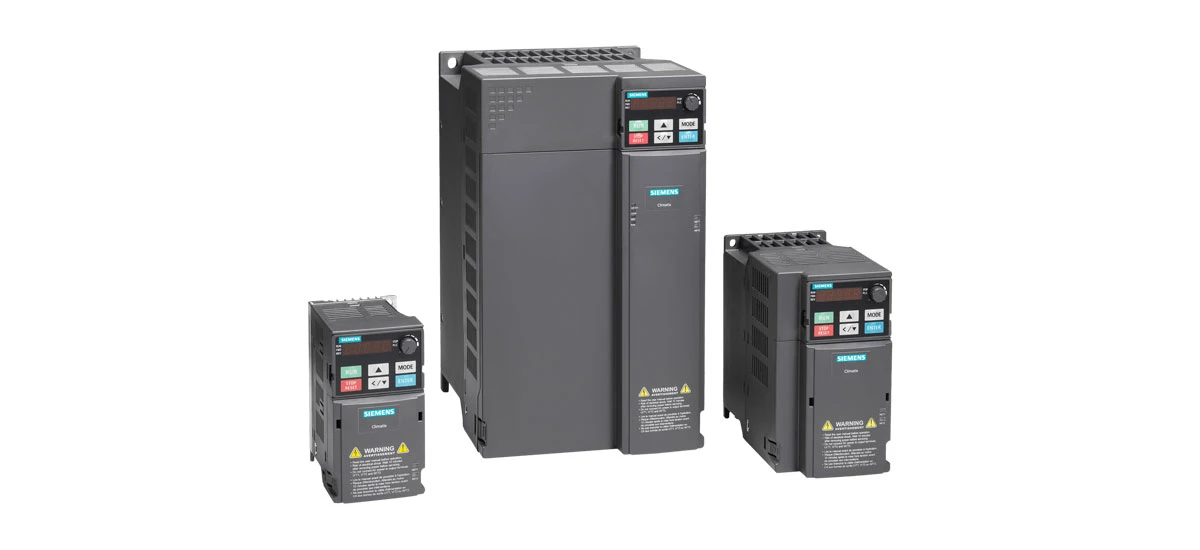
Tunnels are vital for modern transportation, connecting cities, mountains, and waterways. But keeping tunnels safe and comfortable requires a reliable ventilation system. One key component that makes tunnel ventilation efficient and safe is the Siemens VFD. Siemens VFDs, or variable frequency drives, are essential tools that control the speed of ventilation fans, ensuring tunnels have clean air, stable temperatures, and quick responses to emergencies. In this blog, we will explore how Siemens VFDs work with jet fans, operate in fire mode, and support emergency control in tunnel ventilation systems.
Introduction to Siemens VFDs in Tunnel Ventilation
Tunnel ventilation systems are critical for passenger safety and comfort. They remove harmful gases from cars and trucks, control humidity, and prevent the buildup of smoke in emergencies. Without proper ventilation, tunnels can become dangerous-poor air quality can make drivers dizzy, and smoke from fires can block visibility and trap people. This is where Siemens VFDs come in. Siemens VFDs are advanced devices that adjust the speed of fan motors, allowing ventilation systems to work exactly as needed. Unlike traditional fixed-speed fans, which run at full power all the time, Siemens VFDs let fans speed up or slow down based on real-time conditions, saving energy and improving performance. Siemens VFDs in tunnel ventilation systems are trusted by engineers and project managers because of their reliability, durability, and advanced features.
What Are Siemens VFDs?
Siemens VFDs are electronic devices that control the frequency of electrical power supplied to fan motors. By changing the frequency, the VFD adjusts the motor's speed. This means tunnel ventilation fans don't have to run at full speed when there's little traffic-they can slow down to save energy. When traffic increases and more harmful gases enter the tunnel, Siemens VFDs speed up the fans to keep the air clean. Siemens VFDs are designed to be easy to use and maintain, making them perfect for tunnel environments, which are often hard to access. They also have built-in safety features to protect the equipment and ensure smooth operation, which is why Siemens VFDs are widely used in tunnel ventilation systems.
Why Siemens VFDs Matter for Tunnel Ventilation
Tunnels have changing ventilation needs throughout the day. During rush hour, hundreds of cars pass through, releasing carbon monoxide and other pollutants. At night, traffic is light, and ventilation needs are lower. Siemens VFDs adapt to these changes seamlessly, reducing energy waste by up to 30% compared to fixed-speed fans. Additionally, Siemens VFDs help extend the life of ventilation equipment. By starting fans slowly and adjusting speed gradually, they reduce wear and tear on motors and fan blades. This saves tunnel operators money on maintenance and replacement parts. For tunnel safety, Siemens VFDs are essential-they can quickly respond to emergencies, like fires, and ensure that ventilation systems work at their best when people need them most. Siemens VFDs for tunnel safety are a top priority for engineers because they combine efficiency and reliability.
Siemens VFDs and Tunnel Jet Fans
Jet fans are a key part of tunnel ventilation systems. They are mounted on the ceiling or walls of tunnels and push air through the tunnel, removing pollutants and ensuring good air circulation. Siemens VFDs play a crucial role in controlling jet fans, making them more efficient and effective. Siemens VFDs for tunnel jet fans allow operators to adjust the speed of the fans based on traffic levels, ensuring that the tunnel has enough fresh air without wasting energy. Whether it's a small road tunnel or a large railway tunnel, Siemens VFDs work seamlessly with jet fans to keep the air clean and safe.
How Siemens VFDs Control Tunnel Jet Fans
Jet fans need to operate at different speeds depending on the tunnel's conditions. When traffic is heavy, the fans need to run faster to remove more pollutants. When traffic is light, they can slow down. Siemens VFDs make this adjustment easy. The VFD connects to sensors in the tunnel that measure the level of carbon monoxide (CO) and visibility. When the sensors detect high levels of CO or poor visibility, the Siemens VFD sends a signal to the jet fan motor, increasing its speed. When conditions improve, the VFD slows the fan down. This automatic control ensures that the tunnel's air quality is always at a safe level. Siemens VFDs also allow operators to manually adjust the fan speed if needed, giving them full control over the ventilation system. This flexibility is one of the reasons why Siemens VFDs are the preferred choice for tunnel jet fan control.
Advantages of Siemens VFDs for Tunnel Jet Fans
Using Siemens VFDs with tunnel jet fans offers many benefits. First, it saves energy. As mentioned earlier, Siemens VFDs reduce energy use by adjusting fan speed to match demand. This not only lowers electricity bills but also reduces the tunnel's carbon footprint. Second, Siemens VFDs improve fan performance. By controlling the speed precisely, the VFD ensures that the jet fans push the right amount of air through the tunnel, keeping pollutants at safe levels. Third, Siemens VFDs extend the life of jet fans. The gradual speed changes reduce stress on the motor and fan blades, reducing maintenance costs and downtime. Finally, Siemens VFDs are easy to integrate with other tunnel systems, like fire alarm systems, making the entire ventilation system more efficient and safe. How Siemens VFDs improve tunnel ventilation efficiency is clear-they make jet fans work smarter, not harder.
Fire Mode Operation with Siemens VFDs
Fires in tunnels are rare but extremely dangerous. Smoke from fires can spread quickly, blocking visibility and making it hard for people to escape. Tunnel ventilation systems play a critical role in fire safety-they need to remove smoke, cool the air, and create a safe path for evacuation. Siemens VFDs have a special fire mode that allows ventilation systems to respond quickly and effectively to fires. Siemens VFD fire mode in tunnel ventilation is designed to prioritize safety, ensuring that the system works at its maximum capacity to protect people and property.
What Is Fire Mode in Tunnel Ventilation?
Fire mode is a special setting on Siemens VFDs that activates when a fire is detected in the tunnel. When a fire alarm goes off, the Siemens VFD immediately switches to fire mode. In this mode, the VFD overrides normal operation and sets the ventilation fans to their maximum speed. This helps to remove smoke from the tunnel quickly, reducing the risk of suffocation and improving visibility for emergency responders. Fire mode also ensures that the air flows in the right direction-away from evacuation routes-so that people can escape safely. Siemens VFDs are programmed to respond to fire signals within seconds, making them a critical part of tunnel fire safety systems. This quick response can save lives and minimize damage in the event of a fire.
How Siemens VFDs Work in Fire Mode
When fire mode is activated, Siemens VFDs work with the tunnel's fire alarm system to ensure optimal ventilation. The VFD receives a signal from the fire detector, which tells it that a fire has started. The Siemens VFD then increases the speed of the jet fans to full power, pushing smoke out of the tunnel. Some Siemens VFDs also have the ability to reverse the direction of the fans, depending on where the fire is located. This helps to contain the smoke and prevent it from spreading to other parts of the tunnel. Additionally, Siemens VFDs in fire mode ignore non-critical alarms, ensuring that the fans keep running even if there are minor issues. This "run at all costs" approach is essential in emergencies, as every second counts. Siemens VFDs are tested rigorously to ensure that they work reliably in fire mode, giving tunnel operators peace of mind.
Emergency Control Features of Siemens VFDs
In addition to fire mode, Siemens VFDs have a range of emergency control features that make tunnel ventilation systems more reliable. Emergencies can happen at any time-power outages, equipment failures, or accidents-and Siemens VFDs are designed to respond quickly. Emergency control with Siemens VFDs ensures that the ventilation system can handle unexpected situations, keeping the tunnel safe even when things go wrong. These features are built into every Siemens VFD, making them a trusted choice for tunnel operators around the world.
Key Emergency Control Functions of Siemens VFDs
Siemens VFDs have several key emergency control functions. One important feature is the emergency stop button, which allows operators to shut down the ventilation system quickly if there's a problem. Another feature is the backup power supply-if the main power goes out, the Siemens VFD can switch to a backup generator, ensuring that the fans keep running. This is critical in emergencies, as ventilation is essential for survival. Siemens VFDs also have fault detection systems that alert operators to issues like motor overheating or fan jams. This allows operators to fix problems quickly, minimizing downtime. Additionally, Siemens VFDs can be controlled remotely, so operators can adjust the ventilation system from a safe location during emergencies. These features make emergency control with Siemens VFDs simple and effective.
Siemens VFDs and Tunnel Safety During Emergencies
During emergencies, tunnel safety is the top priority. Siemens VFDs play a key role in keeping people safe by ensuring that the ventilation system works properly. For example, if there's a car accident in the tunnel, the ventilation system needs to remove fumes and smoke quickly. Siemens VFDs speed up the fans to handle the increased demand, keeping the air clean and safe for emergency responders and passengers. If there's a power outage, the backup power feature of Siemens VFDs ensures that the fans don't stop, preventing smoke buildup. Siemens variable frequency drives for tunnel safety are designed to be reliable even in the most challenging situations, giving tunnel operators the confidence they need to handle emergencies. These features make Siemens VFDs an essential part of any tunnel ventilation system.
Benefits of Using Siemens VFDs in Tunnel Ventilation Systems
Using Siemens VFDs in tunnel ventilation systems offers a wide range of benefits, from energy savings to improved safety. These benefits make Siemens VFDs the top choice for tunnel projects of all sizes. Whether it's a small road tunnel or a large railway tunnel, Siemens VFDs provide the reliability, efficiency, and safety that tunnel operators need. Below are some of the key benefits of using Siemens VFDs in tunnel ventilation systems.
Energy Efficiency with Siemens VFDs
One of the biggest benefits of Siemens VFDs is their energy efficiency. Traditional fixed-speed fans run at full power all the time, even when the tunnel has little traffic. Siemens VFDs adjust the fan speed to match the tunnel's needs, reducing energy use by up to 30%. This saves tunnel operators a significant amount of money on electricity bills. For example, a large tunnel with 20 jet fans can save thousands of dollars per year by using Siemens VFDs. Additionally, reducing energy use helps to protect the environment by lowering carbon emissions. How Siemens VFDs improve tunnel ventilation efficiency is evident in their ability to save energy while maintaining safe air quality.
Reliability and Easy Maintenance
Siemens VFDs are known for their reliability. They are designed to work in harsh tunnel environments, which are often dusty, humid, and prone to temperature changes. Siemens VFDs have a durable design that can withstand these conditions, reducing downtime and maintenance costs. Additionally, Siemens VFDs are easy to maintain. They have built-in diagnostic tools that alert operators to potential issues, allowing them to fix problems before they become serious. This reduces the need for costly repairs and ensures that the ventilation system works reliably at all times. The reliability of Siemens VFDs in tunnel ventilation systems makes them a trusted choice for engineers and operators.
Improved Tunnel Air Quality
Siemens VFDs help to improve tunnel air quality by ensuring that ventilation fans run at the right speed. The VFDs connect to sensors that measure CO levels and visibility, adjusting the fan speed to keep pollutants at safe levels. This ensures that drivers and passengers have clean air to breathe, reducing the risk of health problems. Additionally, Siemens VFDs help to control humidity in the tunnel, preventing the buildup of mold and mildew. This not only improves air quality but also protects the tunnel's structure. Siemens VFDs for tunnel jet fans are especially effective at maintaining good air quality, as they can adjust the airflow to match the tunnel's needs.
Conclusion
Siemens VFDs are an indispensable part of modern tunnel ventilation systems, playing a key role in three core aspects: efficiently controlling tunnel jet fans to maintain clean air, activating fire mode to quickly respond to fires and protect lives, and providing reliable emergency control features to handle unexpected situations. As highlighted throughout this blog, Siemens VFDs bring significant benefits to tunnel operations, including energy savings by adjusting fan speed based on real-time demand, improved air quality by regulating ventilation precisely, and easy maintenance with built-in diagnostic tools. For any tunnel project aiming to prioritize safety, efficiency, and reliability, Siemens VFDs are a essential component that ensures the ventilation system operates optimally at all times.


