

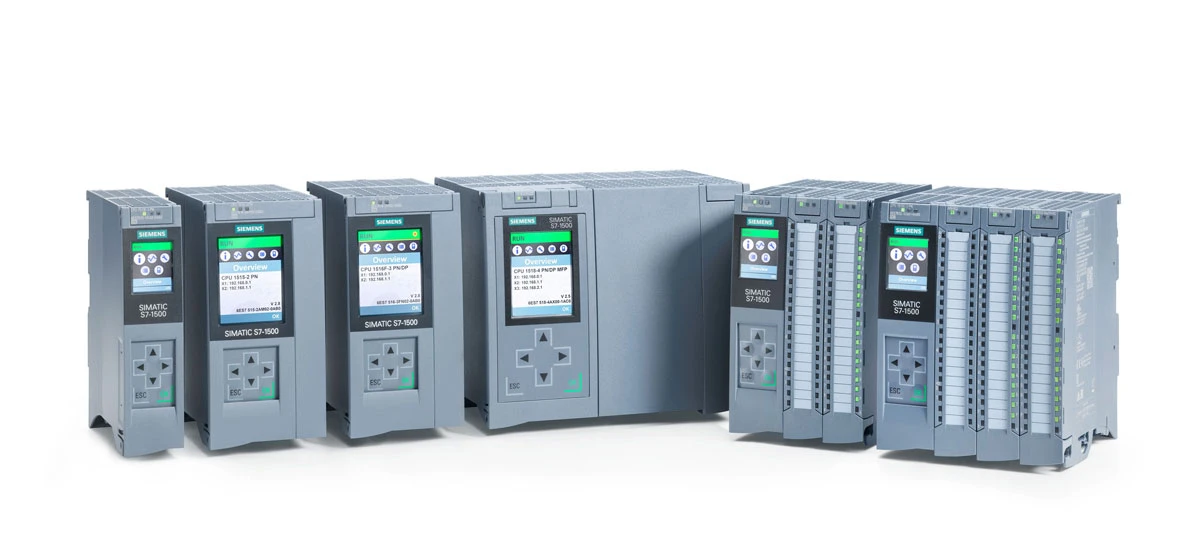
In the world of industrial automation, the way we control machines and tools is changing fast. More and more manufacturers are turning to "soft" solutions, and at the center of this change is Siemens PLC. Unlike traditional hardware-based controllers, Siemens PLC-based Soft PLC and PC-Based Control are making advanced tooling more flexible, reliable, and efficient. This blog will explore what these soft solutions are, why they matter for advanced tooling, and how Siemens PLC is leading the way. We'll also look at real-world uses and what the future holds for this exciting technology.
Understanding Soft PLC and PC-Based Control: Foundations for Advanced Tooling
Before diving into the role of Siemens PLC, let's first clarify what Soft PLC and PC-Based Control are. These two technologies work together to revolutionize how we manage advanced tooling, and they build on the strong foundation of PLC (Programmable Logic Controller) technology that has long been a staple in industry.
What is Soft PLC?
A Soft PLC, or software programmable logic controller, is a type of PLC that runs on software instead of dedicated hardware. Think of it as taking the brain of a traditional PLC and putting it onto a computer or industrial PC. This is different from the hard PLCs that come in a fixed box with specific hardware components. With Soft PLC, you can use the power of a computer to handle control tasks while keeping the reliability that PLCs are known for. When combined with Siemens PLC technology, Soft PLC becomes even more powerful, offering a perfect mix of flexibility and security.
What is PC-Based Control?
PC-Based Control takes Soft PLC a step further by using an industrial PC (IPC) as the main control unit for advanced tooling. This means the IPC runs the control software, handles data processing, and communicates with other machine parts-all in one device. Industrial PCs are designed to work in tough factory environments, with features like dust resistance and stable performance. PC-Based Control with Siemens PLC integration lets manufacturers connect different tools and systems easily, making production lines more connected and efficient.
Siemens PLC-Based Soft PLC: Key Advantages for Advanced Tooling
Siemens PLC is not just a part of the soft control revolution-it's a leader. The company's Soft PLC solutions, like the SIMATIC S7-1500 Software Controller, bring unique benefits that are perfect for advanced tooling. Let's break down these advantages and see how they help manufacturers.
High Reliability Even in Tough Conditions
One of the biggest strengths of Siemens PLC-based Soft PLC is its reliability. The SIMATIC S7-1500 Software Controller works completely independently of the computer's operating system. That means it keeps running even if the operating system restarts or fails. For advanced tooling, this is crucial-downtime can cost a lot of money. Whether it's a mold-making machine or a precision cutting tool, you need a control system you can trust. Siemens PLC ensures that the tool keeps working smoothly, reducing the risk of production stops.
Flexibility for Customized Production
Today's manufacturers need to make customized products quickly. Advanced tooling must adapt to different designs and production runs, and Siemens PLC-based Soft PLC delivers the flexibility needed. With this technology, you can use high-level programming languages like C++ alongside standard PLC programming tools. This makes it easy to add new features or adjust the tool's performance without changing hardware. For example, if you need to modify a tool to make a new part, you can update the software instead of replacing expensive components. This flexibility is a key part of Siemens PLC soft control solutions for manufacturing.
Safety Integrated for Secure Operations
Safety is always a top priority in industrial settings, especially with advanced tooling that operates at high speeds or with heavy materials. Siemens PLC-based Soft PLC includes integrated safety functions, which means you don't need a separate safety controller. The SIMATIC S7-1500 Software Controller has fail-safe versions that meet strict safety standards. This keeps workers safe and ensures the tool operates within safe limits. For example, if a tool malfunctions, the Siemens PLC system can quickly shut it down to prevent accidents.
PC-Based Control with Siemens PLC: Transforming Advanced Tooling Operations
When you combine PC-Based Control with Siemens PLC, you get a powerful system that transforms how advanced tooling works. Industrial PCs bring the power of data processing and connectivity, while Siemens PLC provides the reliable control logic. Together, they create a system that is both powerful and easy to integrate into existing production lines.
Seamless Integration with Other Systems
PC-Based Control with Siemens PLC integration makes it easy to connect advanced tooling to other systems in the factory. You can use PROFINET, a common industrial communication standard, to link the control system to distributed I/O modules, sensors, and other machines. This means data flows smoothly between different parts of the production line. For example, a precision grinding tool controlled by Siemens PLC can send real-time data to a factory's main monitoring system. Managers can then track performance, identify issues early, and make better decisions.
Strong Data Processing for Better Performance
Advanced tooling generates a lot of data-like temperature, speed, and part quality measurements. PC-Based Control with Siemens PLC has strong data processing capabilities to handle this information. Industrial PCs can store large amounts of data and process it quickly, turning raw data into useful insights. For example, the SIMATIC S7-1500 Software Controller can work with SIMATIC Edge to capture high-frequency data for analysis. This helps manufacturers optimize the tool's performance, reduce waste, and improve product quality. This is a big advantage of advanced tooling automation using Siemens PLC.
Cost-Effective and Scalable
PC-Based Control with Siemens PLC is also cost-effective. Instead of buying multiple separate devices (like a PLC, a data logger, and a monitoring system), you can have all these functions in one industrial PC. This reduces hardware costs and makes installation and maintenance easier. Plus, the system is scalable-you can add more features or increase performance by upgrading the software or PC hardware. For small and medium-sized manufacturers, this means they can start with a basic system and expand as their needs grow, without big upfront investments.
Real-World Applications: Siemens PLC in Advanced Tooling
Siemens PLC-based Soft PLC and PC-Based Control are already being used in many advanced tooling applications. Let's look at some real-world examples to see how these technologies are making a difference.
Precision Mold Making
Mold making requires extremely high precision-even small errors can ruin a mold. Siemens PLC-based systems are used in mold-making machines to ensure accuracy and consistency. The SIMATIC S7-1500 Software Controller works with Sinumerik, Siemens' toolmaking control system, to deliver unmatched surface quality and dimensional accuracy. The system also captures production data, which helps with traceability-an important requirement in many industries.
Electric Vehicle Charging Infrastructure
Advanced tooling is used to make components for electric vehicle (EV) charging stations. Siemens PLC-based Soft PLC and PC-Based Control are ideal for this application because they are flexible and reliable. The SIMATIC S7-1500 Software Controller and SIMATIC Open Controller ensure that charging stations are prepared for future generations of EVs. The system's ability to integrate with different components and handle data makes it perfect for this fast-growing industry.
Wind Power Generation Tooling
Wind turbines use large, complex tools to manufacture their components. Siemens PLC-based systems are used to control these tools, ensuring they work efficiently and reliably. The high performance and availability of the SIMATIC S7-1500 Software Controller make it ideal for wind power applications, where downtime is costly and reliability is key. The system also helps with data collection, which is used to optimize maintenance and performance.
The Future of Advanced Tooling: Why Soft is Here to Stay with Siemens PLC
The future of advanced tooling is undoubtedly soft, and Siemens PLC will continue to be at the forefront. As manufacturing becomes more digital and customized, the flexibility and connectivity of Soft PLC and PC-Based Control will become even more important. Here's why these technologies are here to stay:
- Digitalization Trend: Industry 4.0 and smart manufacturing require connected, data-driven systems. Siemens PLC-based soft solutions fit perfectly into this trend, enabling seamless data flow and remote monitoring.
- Growing Demand for Customization: Consumers want personalized products, and manufacturers need tooling that can adapt quickly. Siemens PLC-based Soft PLC makes it easy to reconfigure tools for different production runs.
- Continuous Innovation: Siemens is constantly improving its PLC technology. The company's focus on integrating safety, performance, and flexibility ensures that its soft control solutions stay ahead of the curve.
Conclusion: Embrace the Soft Future with Siemens PLC
Siemens PLC-based Soft PLC and PC-Based Control are changing the game for advanced tooling. They offer reliability, flexibility, safety, and connectivity that traditional hardware PLCs can't match. From precision mold making to EV charging infrastructure, these technologies are already helping manufacturers work more efficiently and produce higher-quality products. As the industry moves toward digitalization and customization, Siemens PLC will remain a trusted partner for businesses looking to embrace the soft future. Whether you're a small manufacturer or a large enterprise, investing in Siemens PLC-based soft solutions is a smart move to stay competitive in the evolving world of advanced tooling.
If you want to learn more about how Siemens PLC can transform your advanced tooling operations, be sure to explore Siemens' official resources on SIMATIC S7-1500 Software Controller and PC-Based Control solutions.


