

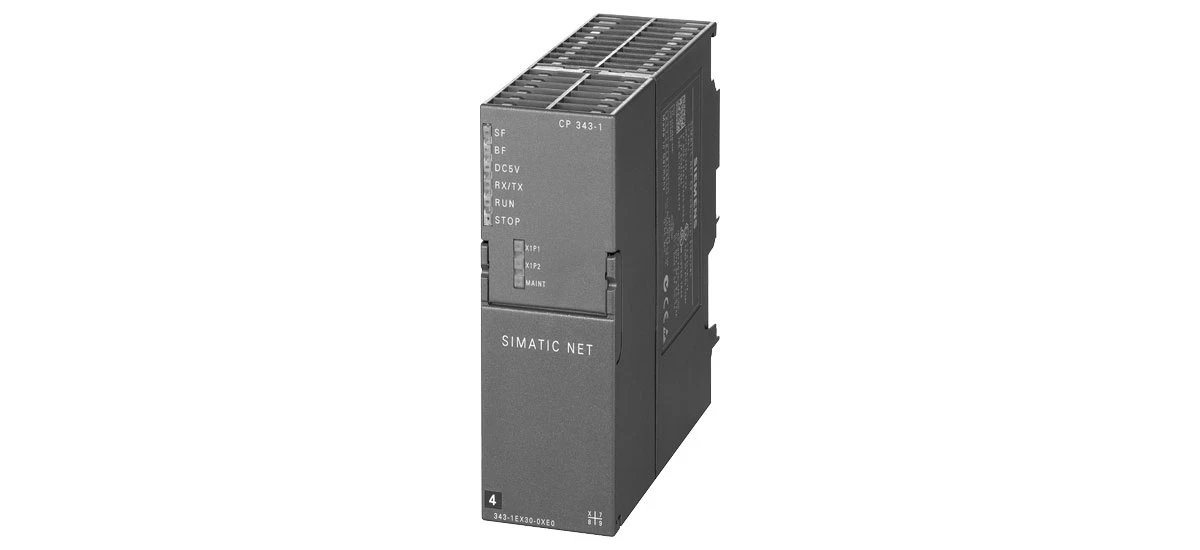
Industrial places like factories, mines, and chemical plants put extreme stress on technology. Imagine a car assembly line where welding machines reach 80℃, or a coal mine where dust fills the air and temperatures drop to -30℃ in winter. Regular network switches-those small boxes you use to connect your home laptop or office printer-can't survive here. They overheat, get clogged with dust, or shake apart within weeks. But Siemens Industrial Ethernet Switches are built for these tough realities. They're engineered to keep working when other switches fail, and one model that stands out is the Siemens 6GK7343-1EX30-0XE0. This guide will break down why this switch is a top choice for industrial teams, how it stays reliable in harsh conditions, and how it grows with your business as you add more machines or expand operations.
Why Scalability and Reliability Matter for Industrial Switches
Industrial operations are always changing. A small electronics factory might start with 5 assembly machines and add 3 more within a year. A mine could expand its underground tunnels and need to connect sensors 500 meters further away. In these cases, a "fixed-size" switch that only handles 4 devices will hold you back-that's where scalability comes in. It lets you add more devices or link switches without replacing your entire network. Reliability is even more critical: if a switch fails in a food processing plant, the conveyor belt stops, raw materials spoil, and you might lose $2,000 every hour. For a chemical plant, a failed switch could mean unmonitored pressure levels-putting workers at risk.
The Problems with Regular Switches in Harsh Environments
Regular consumer or office switches aren't designed for industrial use, and their failures are easy to predict. Let's look at real-world examples:
- In a bakery, where steam from ovens fills the air, a regular switch will short-circuit within 2 months. One bakery in Ohio reported replacing 4 office switches in 6 months before switching to Siemens.
- In a metal stamping factory, where machines vibrate so hard they shake the walls, regular switches' internal wires loosen. This causes random disconnections-once, a stamping machine stopped mid-cycle, ruining $5,000 worth of metal parts.
- In a desert-based solar panel factory, where summer temperatures hit 55℃, regular switches overheat and shut down. A factory in Arizona had to install extra air conditioners (costing $1,200/month) just to keep office switches running-until they switched to Siemens.
Siemens Industrial Ethernet Switches solve these issues. They're built with industrial-grade materials that resist heat, dust, and vibration. And Siemens Industrial Ethernet Switches scalability for factory use means you won't outgrow them quickly. If you add a new robot or temperature sensor, you can simply connect it to your existing Siemens switch or link a second switch-no need to start from scratch.
Siemens 6GK7343-1EX30-0XE0: Key Features for Harsh Industrial Settings
The Siemens 6GK7343-1EX30-0XE0 isn't just a "tough version" of a regular switch-it's designed from the ground up for industrial challenges. Every feature is tested to meet strict global standards, ensuring it works when you need it most. Let's dive into its most important capabilities.
Temperature and Weather Resistance
Extreme temperatures are one of the biggest killers of regular switches, but the Siemens 6GK7343-1EX30-0XE0 thrives in them. It's tested to work in temperatures ranging from -40℃ (as cold as a winter night in Siberia) to 60℃ (hotter than a summer day in Dubai). This is possible because it uses high-temperature-resistant capacitors and connectors-parts that don't melt or degrade in heat. It also has a built-in heat sink (a metal plate that draws heat away from internal components) to prevent overheating. Most regular switches only work between 0℃ and 40℃-if the temperature drops below freezing or rises above room temperature, they stop working. For example, in a Canadian mining operation where underground temperatures stay at -15℃ year-round, the Siemens 6GK7343-1EX30-0XE0 has run continuously for 4 years without a single temperature-related issue.
Dust and Water Protection
Dust is everywhere in factories-from flour in bakeries to metal shavings in machine shops. It gets inside switches, coats circuit boards, and causes short circuits. The Siemens 6GK7343-1EX30-0XE0's case is designed to stop this. It meets the IEC 60529 standard for dust protection (specifically IP30 rating), which means no dust that can damage the switch will get inside. To test this, Siemens exposes the switch to a chamber filled with fine talcum powder (simulating factory dust) for 8 hours-afterward, no dust is found inside. Water is another risk: in food plants, workers hose down machines; in warehouses, leaky roofs can drip water. The Siemens 6GK7343-1EX30-0XE0 resists small splashes and condensation, so accidental water contact won't shut it down. A dairy in Wisconsin uses this switch near milk-cleaning stations, where splashes are common, and it hasn't failed in 3 years.
Shock and Vibration Resistance
Factories are noisy, shaking places. Conveyor belts rattle, presses stamp metal, and forklifts drive over uneven floors-all of this vibration damages regular switches. The Siemens 6GK7343-1EX30-0XE0 is built to handle it. It's tested to the IEC 60068-2-6 standard for vibration (can handle 50 Hz vibration, which is the frequency of most factory machines) and IEC 60068-2-27 for shock (can withstand a 1000 m/s² impact-like being hit by a dropped tool). Inside the switch, components are glued or bolted down, so they don't move loose. For example, in a car factory's body shop, where 10 welding robots vibrate the floor, the Siemens 6GK7343-1EX30-0XE0 stays connected. Workers there report no disconnections in 2 years, even when robots are running at full speed.
Scalability of Siemens 6GK7343-1EX30-0XE0: Grow With Your Needs
Scalability isn't just about "adding more ports"-it's about making sure your network can keep up with your business without extra cost or hassle. The Siemens 6GK7343-1EX30-0XE0 excels here, whether you're a small workshop or a large factory.
Port Count and Device Connection
The Siemens 6GK7343-1EX30-0XE0 has 5 Ethernet ports-each supporting 10/100 Mbps speeds (fast enough for most industrial devices). These ports are "auto-sensing," meaning they work with both regular Ethernet cables and industrial shielded cables without any setup. For a small factory starting out, this is perfect: you can connect a PLC (like the Siemens S7-1200), an HMI (human-machine interface, like the KTP700), two temperature sensors, and a conveyor belt controller-all to one switch. But what if you grow? The switch supports "daisy-chaining," which means you can link two or three Siemens 6GK7343-1EX30-0XE0 switches together. For example, if you add a new assembly line, you can plug a second switch into the first and connect 5 more devices. This is cheaper than buying a large 24-port switch when you only need 8 ports. A furniture factory in North Carolina started with 1 Siemens 6GK7343-1EX30-0XE0 and added 2 more as they expanded-saving $800 compared to buying a single large switch.
Compatibility With Industrial Equipment
One of the biggest headaches of industrial networks is incompatible devices. A switch that doesn't work with your PLC or sensors is useless. The Siemens 6GK7343-1EX30-0XE0 solves this by supporting common industrial communication protocols, including PROFINET (Siemens' own protocol for real-time machine communication) and EtherNet/IP (used by many other brands like Allen-Bradley). This means it works seamlessly with most industrial equipment-no special software or adapters needed. For example, if you have a Siemens S7-1500 PLC and a Rockwell Automation sensor, you can plug both into the Siemens 6GK7343-1EX30-0XE0 and they'll communicate perfectly. A packaging plant in Illinois uses this switch with 3 different brands of machines (Siemens, Rockwell, and Omron) and reports no compatibility issues. Setting up the network took just 2 hours-compared to 8 hours with their old, non-compatible switch.
How to Install Siemens 6GK7343-1EX30-0XE0 in Harsh Environments
Installing the Siemens 6GK7343-1EX30-0XE0 is simple, but following the right steps ensures it stays reliable for years. Even in harsh spots like near welding machines or outdoor mines, these steps will protect your switch.
Step 1: Choose the Right Location
The first rule is to keep the switch away from direct hazards. If possible, mount it inside a control cabinet-these cabinets have vents to keep air flowing (preventing heat buildup) and gaskets to block dust and water. Look for a cabinet that meets IP54 rating (resists dust and low-pressure water jets) for extra protection. If you can't use a cabinet (like in an outdoor mine), mount the switch on a wall that's shaded from the sun (direct sunlight can raise temperatures by 10℃) and at least 1 meter away from water sources (like hoses or leaky pipes). Avoid mounting it near machines that produce extreme heat, like welding torches or furnaces-leave at least 2 meters of space to prevent overheating.
Step 2: Secure the Switch
Vibration is the biggest risk for loose switches, so securing it tightly is key. The Siemens 6GK7343-1EX30-0XE0 has two mounting holes on the bottom. Use M4×8mm stainless steel screws (stainless steel resists rust in humid environments) to attach it to a metal plate or the inside of a control cabinet. Tighten the screws until the switch doesn't move-wiggle it gently to check. If you're mounting it on a wall, use wall anchors to hold the screws in place (drywall or concrete can crack if you don't use anchors). A construction equipment factory in Texas once skipped this step and had a switch come loose-this caused a cable to disconnect, stopping a bulldozer assembly line for 45 minutes. After securing the switch properly, they haven't had the issue again.
Step 3: Connect Power and Cables
Power and cables are the lifeblood of your switch-get these right to avoid downtime. For power, use a 100-240V AC power supply that's stable (industrial power can fluctuate, so add a surge protector to handle voltage spikes up to 2,000V). Plug the power cord into a grounded outlet-this protects the switch from electrical shocks. For cables, use shielded Ethernet cables (like CAT5e or CAT6 shielded twisted-pair cables) instead of regular unshielded cables. Shielded cables block electromagnetic interference (EMI) from machines like welders or motors-EMI can mess up network signals and cause disconnections. When plugging in cables, push them firmly into the ports until you hear a "click"-this ensures a tight connection. Don't bend cables too sharply (keep the bend radius at least 4 times the cable diameter) or pull them hard-this can damage the internal wires. A textile mill in South Carolina used unshielded cables at first and had daily disconnections; switching to shielded cables fixed the problem.
Step 4: Test the Connection
After installation, test the switch to make sure everything works. Turn on the power- the switch's power LED should turn green (red means a power issue). Then check each port's LED: green means the device is connected and working; red means a cable or device problem. For a more thorough test, use a network tester (like a Fluke DSX-5000) to check signal strength and cable health. The tester will tell you if there's a broken wire in the cable or if the signal is too weak. You should also test the switch under real working conditions-run the machines connected to it for 24 hours and check for disconnections. A pharmaceutical factory in Indiana did this test and found one loose cable-fixing it prevented a potential shutdown later.
Real-World Uses of Siemens 6GK7343-1EX30-0XE0
The Siemens 6GK7343-1EX30-0XE0 is used in hundreds of industries worldwide because it solves real problems. Let's look at three detailed examples of how it performs in tough environments.
Automotive Manufacturing
Car factories are some of the harshest places for switches-high heat, constant vibration, and metal dust. A large car factory in Stuttgart, Germany, uses 12 Siemens 6GK7343-1EX30-0XE0 switches in its body welding shop. Each switch connects 2 welding robots, 1 quality-control camera (to check welds), and 2 conveyor belt motors. The welding robots reach temperatures of 70℃, and the floor vibrates at 45 Hz-but the switches keep working. Before using Siemens, the factory used a different brand of industrial switch and had to replace 3 every month. Since switching to the Siemens 6GK7343-1EX30-0XE0, they haven't replaced a single one in 3 years. The switches also support PROFINET, which lets the robots and cameras communicate in real time-this cut weld defects by 15% because the camera can spot issues faster.
Chemical Plants
Chemical plants have corrosive gases, high humidity, and strict safety rules. A chemical plant in Houston, Texas, uses the Siemens 6GK7343-1EX30-0XE0 to connect pressure sensors and temperature gauges in its chlorine processing area. Chlorine gas is highly corrosive-it can eat through regular metal parts in months. But the Siemens switch's case is made of fiberglass-reinforced plastic (FRP), which resists corrosion. The plant's humidity levels often hit 90% (like a tropical rainforest), but the switch's internal components are sealed to prevent moisture damage. Before using Siemens, the plant had to replace switches every 6 months-now, they last 5 years. The switch also helps with safety: if a pressure sensor detects a problem, it sends a signal to the PLC via the Siemens switch in less than 1 second-this triggers an alarm and shuts down the process, preventing leaks.
Food Processing
Food processing plants need switches that can handle water, steam, and frequent cleaning. A bakery in Lyon, France, uses 8 Siemens 6GK7343-1EX30-0XE0 switches to connect dough mixers, oven controllers, and packaging machines. Every night, workers clean the factory with high-pressure hoses (50 bar pressure-strong enough to strip paint) and hot water (80℃). The Siemens switch's water resistance means it can handle accidental splashes, and its dustproof case keeps flour out. Before using Siemens, the bakery's switches would short-circuit after 3 months of cleaning. Now, the switches have run for 2 years without issues. The switch's scalability also helped: when the bakery added a new packaging line, they just linked a ninth Siemens 6GK7343-1EX30-0XE0 to the existing network-no need to rewire the entire factory.
Why Choose Siemens 6GK7343-1EX30-0XE0 Over Other Switches?
There are dozens of industrial switches on the market, but the Siemens 6GK7343-1EX30-0XE0 stands out for three key reasons: reliability, scalability, and compatibility. But it also has extra benefits that make it worth the investment.
Longer Lifespan (MTBF Rating)
MTBF (Mean Time Between Failures) is a measure of how reliable a device is. The Siemens 6GK7343-1EX30-0XE0 has an MTBF of 150,000 hours- that's over 17 years of continuous use. Compare that to a popular competitor's switch, which has an MTBF of 80,000 hours (9 years). This means you'll replace the Siemens switch far less often, saving money on replacements and downtime.
Easy Maintenance
The Siemens 6GK7343-1EX30-0XE0 is designed for easy maintenance. It has clear LED lights that show power, port status, and errors-so you can spot problems in seconds. It also supports remote monitoring via Siemens' TIA Portal software: you can check the switch's temperature, port usage, and error logs from your office computer. This means you don't have to walk to the factory floor every time you need to check the switch. A beverage factory in Mexico uses this feature to monitor 10 switches-they save 2 hours a day on maintenance checks.
Global Support
Siemens has a worldwide network of service centers-over 1,000 locations in 190 countries. If your switch has a problem, you can get a replacement or repair within 48 hours in most regions. They also offer 24/7 technical support via phone or email. A mining company in Australia once had a switch fail at 2 AM-they called Siemens support, and a technician helped them troubleshoot over the phone in 30 minutes, getting the mine back online quickly.
Compliance With Industrial Standards:
The Siemens 6GK7343-1EX30-0XE0 meets over 20 global industrial standards, including UL 508 (for electrical safety in the US), CE (for Europe), and CCC (for China). This means you can use it in any country without worrying about safety or regulatory issues. A multinational electronics company uses this switch in factories in the US, Germany, and China-they don't have to buy different switches for each region, simplifying their supply chain.
Final Thoughts
If you work in an industrial environment-whether it's a factory, mine, chemical plant, or bakery-you need a switch that won't let you down. The Siemens 6GK7343-1EX30-0XE0 is built for this. It handles extreme temperatures from -40℃ to 60℃, resists dust and water, and stays connected even when machines vibrate. It grows with your business: start with one switch for 5 devices, and add more as you expand. It works with almost all industrial equipment, so you won't have compatibility headaches.
But the real benefit is peace of mind. When you install a Siemens 6GK7343-1EX30-0XE0, you don't have to worry about sudden failures stopping your production. You don't have to replace switches every few months. You don't have to spend hours troubleshooting compatibility issues. Instead, you can focus on running your business.
As industrial technology moves toward Industry 4.0 (smart factories with connected machines), the Siemens 6GK7343-1EX30-0XE0 will keep up. It supports firmware updates via TIA Portal, so you can add new features (like edge computing or advanced security) as you need them. This means your investment today will still be valuable 5 or 10 years from now.
Don't settle for a switch that's not built for your environment. Choose the Siemens 6GK7343-1EX30-0XE0- a reliable, scalable, and compatible solution that will save you time and money in the long run.


