

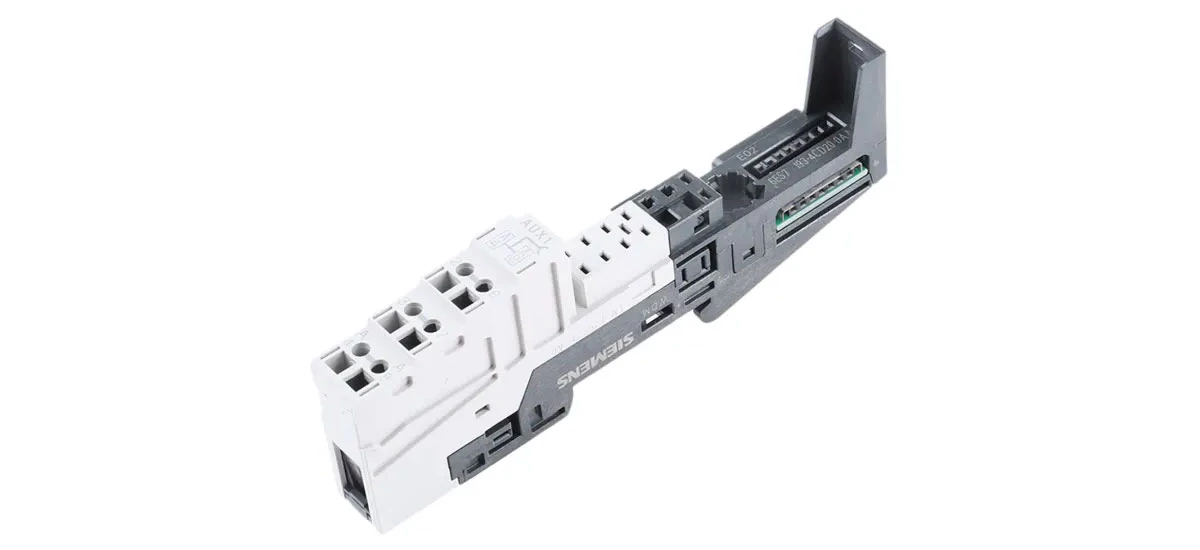
Think about the devices you use every day-your phone, fridge, or even the lights in your room. All of these rely on small but powerful parts to keep their wires connected safely. That part is the terminal module. Whether you're a student working on a science project, a homeowner fixing a broken appliance, or someone curious about how electronics work, understanding terminal modules can save you time, money, and even prevent accidents. This guide will break down what terminal modules are, the different types you'll find, where they're used, how to pick the right one, and how to keep them working well. By the end, you'll know exactly why terminal modules are a must-have for any electrical task.
What Are Terminal Modules?
Terminal modules are essential components in electrical systems that connect, organize, and secure wires or cables. Unlike soldering (which permanently joins wires), terminal modules let you easily attach, detach, or rearrange wires-making them a key tool for safety and convenience. A good terminal module keeps connections neat, prevents short circuits, and simplifies repairs. Whether you're fixing a home appliance or setting up factory equipment, terminal modules make electrical work easier and more reliable. Every electrical project that uses wires can benefit from a well-chosen terminal module, as it ensures stable power flow and reduces the risk of accidents.
Common Types of Terminal Modules
Not all terminal modules work the same way-their design depends on how and where they're used. Below are the most popular types, which align with "common types of terminal modules in electronics" and other real-world needs:
Screw Terminal Modules
Screw terminal modules use small screws to clamp wires in place. You strip the wire's end, insert it into the module, and tighten the screw to hold it securely. These terminal modules are great for projects where connections don't need frequent changes, like old electrical panels or fixed lighting systems. They're easy to use for beginners and work well with thick or thin wires. However, you need a screwdriver to install them, and loose screws can cause bad connections over time-so checking screws regularly is key for a reliable terminal module.
Spring Terminal Modules
Spring terminal modules use a built-in spring to hold wires. You push a lever (or the wire itself) to open the spring, insert the wire, and release the lever-no tools needed! This makes them much faster to install than screw types. They're perfect for modern electronics (like smart home devices or small sensors) where speed and space matter. Spring terminal modules also stay tight even if the wire moves a little, which is why they're popular in projects that need quick, secure connections. For anyone new to electrical work, a spring terminal module is a user-friendly choice.
PCB Terminal Modules
PCB terminal modules are designed to attach directly to printed circuit boards (PCBs)-the small boards inside phones, radios, or remote controls. They're tiny (to fit in small devices) and are soldered onto the PCB to connect the board to external wires. For example, a PCB terminal module in a smartphone links the charging port to the phone's internal circuits. These terminal modules are crucial for compact electronics, as they save space and keep wires organized in tight areas. If you're working with small devices, a PCB terminal module is almost always necessary.
Applications of Terminal Modules
Terminal modules are used in nearly every electrical system you interact with daily. Their versatility makes them indispensable, and understanding their uses helps you pick the right terminal module for your project:
Industrial Control
Factories and manufacturing plants rely heavily on terminal modules to connect sensors, motors, and controllers. For example, a temperature sensor in a food factory uses a terminal module to link to a computer that monitors the temperature. In these settings, "how to choose a terminal module for industrial use" is critical-industrial terminal modules must handle high temperatures, vibration, and heavy use. They're often made with strong materials (like metal) to resist damage, ensuring the factory runs smoothly without electrical failures. A durable terminal module here prevents costly downtime for the business.
Home Appliances
"Terminal module applications in home appliances" are everywhere-think fridges, washing machines, and ovens. Inside a washing machine, a terminal module connects the power cord to the machine's motor and water pump. It keeps the wires organized so the machine works safely and efficiently. Without a terminal module, the wires would be messy and could touch each other (causing short circuits or fires). If your fridge stops working, a loose wire in its terminal module is often the fix-showing how important this small component is for daily life.
Automotive Electronics
Cars use dozens of terminal modules to connect parts like headlights, radios, and batteries. These terminal modules must resist vibration (from driving) and moisture (from rain or snow), so they're sealed with rubber or plastic. For example, a terminal module under the hood links the battery to the car's starter-without it, the car won't start. Automotive terminal modules are also easy to replace, which helps mechanics fix cars faster. Next time you drive, remember that a terminal module is keeping your car's electronics working.
Building Wiring
In homes, offices, or schools, terminal modules are used in electrical boxes to connect wall outlets, light switches, and ceiling fans. Electricians use them to join the main power wire to the device's wire-making installation faster and safer. For example, a terminal module in a light switch box connects the switch to the ceiling fan's wire. This organization means if you need to replace the switch later, you can easily identify and disconnect the wires. A good terminal module here also reduces the risk of electrical fires by keeping connections secure.
Key Selection Criteria for Terminal Modules
Choosing the right terminal module isn't hard-just focus on these important factors to ensure it works for your project:
Current and Voltage Ratings
Every terminal module has a maximum current (measured in amps, A) and voltage (measured in volts, V) it can handle. If you use a terminal module that's too weak (e.g., a 5A module for a 10A washing machine), it will overheat and break-possibly causing a fire. Always check the device's power needs first, then pick a terminal module with ratings higher than those needs. For example, a small lamp (1A, 120V) needs a terminal module rated for at least 1A and 120V, while a factory motor (20A, 240V) needs a heavy-duty terminal module for higher ratings.
Environmental Conditions
Think about where the terminal module will be used. If it's outside or in a damp area (like a bathroom), choose a waterproof terminal module. If it's in a hot place (like a factory or attic), pick one that resists high temperatures (look for "heat-resistant" labels). For dusty areas (like a garage), a sealed terminal module will keep dust out and prevent bad connections. Using the wrong terminal module for the environment will make it fail quickly-so this step is crucial.
Installation Space
Terminal modules come in different sizes, so make sure it fits where you need it. Small devices (like a smartwatch or radio) need tiny PCB terminal modules, while large systems (like factory machines) can use bigger screw or spring terminal modules. Measure the space first-if the area is tight, a compact spring terminal module is better than a bulky screw type. For example, a PCB in a phone has no room for a large terminal module, so a mini PCB terminal module is the only option.
Connection Type
Choose a terminal module based on how often you'll change the wires. If you need to adjust connections often (like testing a sensor), a spring terminal module is best-you can add/remove wires quickly without tools. If connections will stay the same (like a wall outlet), a screw terminal module works well (it's more stable long-term). For PCBs, a PCB terminal module is the only choice, as it's designed to attach to the board.
Quality and Durability
"Benefits of using high-quality terminal modules" include longer life, fewer repairs, and better safety. Look for terminal modules with certifications like UL (Underwriters Laboratories) or CE (Conformité Européenne)-these labels mean the product passed safety tests. Cheap terminal modules are made with weak plastic or metal that breaks easily, leading to loose wires and short circuits. Spending a little more on a quality terminal module saves you time and money in the long run. For example, a UL-listed terminal module in a home appliance will last for years, while a cheap one might fail in months.
Terminal Module Maintenance Tips for Beginners
Taking care of your terminal module keeps it working well and safe. "Terminal module maintenance tips for beginners" are simple and don't need special tools:
- Keep it clean: Dust and dirt can cause bad connections. Use a dry cloth or soft brush to wipe the terminal module gently every few months. Never use water (it can cause electrical shocks!).
- Check for loose wires: Over time, screws in screw terminal modules can get loose. Every 6 months, gently tighten them with a screwdriver (don't use too much force-you might break the screw). For spring terminal modules, pull the wires slightly to make sure they're still tight.
- Avoid overloading: Never use a terminal module beyond its current or voltage ratings. If you're not sure, check the label on the module or the device's manual. Overloading is the most common cause of terminal module failure.
- Replace damaged modules: If a terminal module looks rusty, cracked, or melted, replace it right away. Damaged modules are unsafe and can cause fires. You can buy new terminal modules at hardware stores or online-just match the type and ratings to your old one.
Conclusion
Terminal modules may be small, but they're the backbone of safe, reliable electrical systems-from your kitchen fridge to big factory machines. In this guide, we learned that a terminal module is a tool to connect and organize wires, with three main types: screw (for stable, infrequent changes), spring (for quick, tool-free use), and PCB (for small devices like phones). We also explored where terminal modules are used-industrial control, home appliances, cars, and building wiring-and how to choose the right one by checking current/voltage ratings, environment, space, connection type, and quality. Finally, simple maintenance (cleaning, checking loose wires, avoiding overloading) keeps your terminal module working long. Whether you're fixing a device or starting a project, knowing about terminal modules helps you work safely and efficiently-so next time you use an electronic, you'll know the terminal module is hard at work behind the scenes.


