

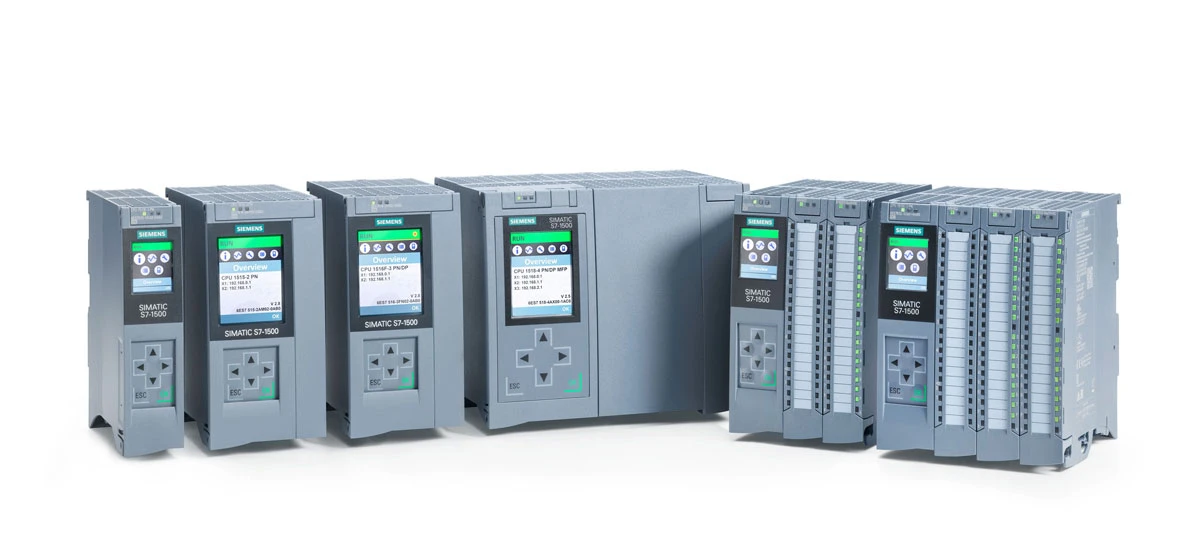
In the world of precision mold manufacturing, accuracy, efficiency, and consistency are the keys to success. Manufacturers are always looking for reliable automation solutions to meet the growing demands of high-quality mold production. Siemens PLC (Programmable Logic Controller) has become a cornerstone in this industry, thanks to its stable performance, flexible programming, and seamless integration with other industrial systems. This blog will explore the top 5 Siemens PLC applications in precision mold manufacturing, supported by real-world case studies. We'll also highlight how Siemens PLC enhances production processes and delivers tangible benefits to businesses.
1. Siemens PLC for Mold Temperature Control: Stable Heating Ensures Product Quality
Temperature control is critical in precision mold manufacturing. Even small temperature fluctuations can lead to defects like uneven mold filling, warping, or poor surface finish. Siemens PLC provides precise and real-time temperature regulation, ensuring the mold stays at the optimal temperature throughout the production process.
Case Study: S7-1200 PLC in Plastic Injection Mold Heating
A plastic injection mold manufacturer specializing in automotive parts adopted the Siemens S7-1200 PLC to control the mold heating system. The system used PID (Proportional-Integral-Derivative) control algorithms integrated into the Siemens PLC to adjust the heating elements in real time. The Siemens PLC collected temperature data from sensors embedded in the mold and adjusted the power supply to the heating rods accordingly.
Before using Siemens PLC, the manufacturer struggled with temperature deviations of up to 5℃, leading to a 15% defect rate. After implementation, the temperature control accuracy was improved to ±1℃, and the defect rate dropped to 2%. The Siemens PLC also allowed operators to set different temperature profiles for various mold types through a user-friendly interface, enhancing production flexibility. This application of Siemens PLC for mold temperature control not only improved product quality but also reduced energy consumption by 12% due to more efficient heating management.
2. Siemens PLC Precision Mold Changeover: Reducing Downtime Significantly
In modern mold manufacturing facilities, frequent mold changes are common to meet diverse product requirements. Traditional manual mold changeover is time-consuming and prone to errors, resulting in long downtime. Siemens PLC enables automated mold changeover, streamlining the process and minimizing production interruptions.
Case Study: S7-200 PLC in Refrigerator Door Shell Production Line
A home appliance manufacturer implemented a Siemens S7-200 PLC-based intelligent exchange control system for its refrigerator door shell production line. The Siemens PLC was integrated with WinCC configuration software to manage the entire mold changeover process, including mold positioning, clamping, and material conveying.
Previously, manual mold changeover took 45 minutes on average. With the Siemens PLC system, the changeover time was reduced to 10 minutes, a 78% reduction in downtime. The Siemens PLC also included interlock protection functions to prevent errors during the changeover process, such as incorrect mold alignment. Operators could monitor the mold changeover status in real time through the WinCC interface, which displayed key data like mold position and clamping force. This application of Siemens PLC precision mold changeover helped the manufacturer increase production capacity by 20%.
3. Siemens PLC Mold Cavity Pressure Monitoring: Ensuring Molding Consistency
Monitoring mold cavity pressure is essential to ensure consistent molding quality. Changes in cavity pressure can indicate issues like incomplete filling or excessive material flow, which affect the final product's dimensions and strength. Siemens PLC integrates with pressure sensors to monitor cavity pressure in real time, enabling immediate adjustments to the molding process.
Case Study: Siemens PLC in Large-Scale Injection Mold for Crates
Haidlmair, a leading injection mold manufacturer, used Siemens PLC to monitor the cavity pressure of its large-scale crates and container molds. The Siemens PLC collected pressure data from sensors placed in the mold cavities and compared it to preset thresholds. If any deviations were detected, the Siemens PLC automatically adjusted the injection speed and pressure to correct the issue.
The implementation of Siemens PLC mold cavity pressure monitoring ensured that each crate had consistent wall thickness and structural strength. The manufacturer also used the data collected by the Siemens PLC to optimize the molding process, reducing material waste by 8%. Additionally, the Siemens PLC integrated with Teamcenter software to store pressure data for quality traceability, making it easier to meet customer quality requirements. This application of Siemens PLC in injection mold manufacturing demonstrated how real-time pressure monitoring improves process stability.
4. Siemens PLC in Injection Mold Manufacturing: Controlling the Entire Molding Process
Injection molding is a complex process involving multiple stages, including injection, holding, cooling, and ejection. Siemens PLC controls all these stages seamlessly, ensuring coordination between different components like the injection unit, clamping unit, and ejection system.
Case Study: Siemens ET 200SP Open Controller in 600-Ton Hybrid Injection Molding Machine
Maico Presse S.p.A., an Italian injection molding machine manufacturer, collaborated with Siemens to develop a 600-ton hybrid injection molding machine. The machine used a Siemens ET 200SP open controller, a type of Siemens PLC, to control the entire injection molding process. The Siemens PLC integrated hydraulic and electric drives, optimizing energy consumption while maintaining high precision.
The Siemens PLC controlled the injection speed, holding pressure, and cooling time with high accuracy, ensuring consistent product quality. The machine's energy consumption per kilogram of formed plastic was reduced to 0.30 kWh, a 30% reduction compared to traditional machines. The Siemens PLC also supported virtual commissioning using a digital twin, allowing the manufacturer to test and optimize the control logic before the machine was physically built. This application of Siemens PLC in injection mold manufacturing helped Maico Presse shorten time-to-market by 25%.
5. Siemens PLC Mold Production Fault Diagnosis: Minimizing Maintenance Costs
Equipment faults in mold manufacturing can lead to costly downtime and damaged molds. Siemens PLC includes advanced fault diagnosis functions, enabling early detection of potential issues and timely maintenance.
Case Study: Siemens PLC in 3D Printed Mold Production Line
Mitsubishi Chemical Advanced Materials Plastics used Siemens PLC to monitor its 3D printed mold production line. The Siemens PLC collected data from various sensors on the production line, including temperature, pressure, and motor speed. It analyzed this data to identify abnormal patterns that indicated potential faults, such as sensor malfunctions or excessive mold wear.
When a fault was detected, the Siemens PLC triggered an alarm and displayed the fault location and recommended solution on the operator interface. This allowed maintenance teams to address issues quickly, reducing average downtime from 2 hours to 30 minutes. The Siemens PLC also stored fault data for trend analysis, helping the manufacturer predict maintenance needs and prevent unplanned downtime. Thanks to this application of Siemens PLC mold production fault diagnosis, the manufacturer reduced maintenance costs by 22% and extended mold lifespan by 15%.
Conclusion: The Value of Siemens PLC in Precision Mold Manufacturing
Siemens PLC plays a vital role in transforming precision mold manufacturing, from temperature control and mold changeover to pressure monitoring and fault diagnosis. The real-world case studies highlighted in this blog demonstrate that Siemens PLC can significantly improve product quality, reduce downtime, lower energy consumption, and minimize maintenance costs. As the industry continues to evolve towards automation and digitalization, Siemens PLC will remain a key technology for manufacturers looking to gain a competitive edge.
Whether you're producing automotive parts, home appliances, or medical devices, integrating Siemens PLC into your precision mold manufacturing process can deliver tangible benefits. By leveraging the flexibility and reliability of Siemens PLC, you can optimize your production processes and meet the growing demands of the market.


