



It usually happens without much warning. A line that has run for years suddenly trips on an undervoltage or overvoltage fault. Maintenance resets the drive; it runs for a shift, then faults again. By the time someone pulls the cover and sees a swollen cap or a faint burnt smell, the plant has already lost hours chasing a problem that started weeks earlier and quietly got worse.
That failure almost always traces back to one small but critical component: the capacitor bank sitting on the DC bus. It rarely gets a second thought until it becomes the reason a machine is down. This guide covers what these capacitors do, why they wear out, how to catch the warning signs early, and how to decide whether repair, reforming, or a full replacement fits your situation best.
What Do Capacitors Actually Do Inside a VFD?
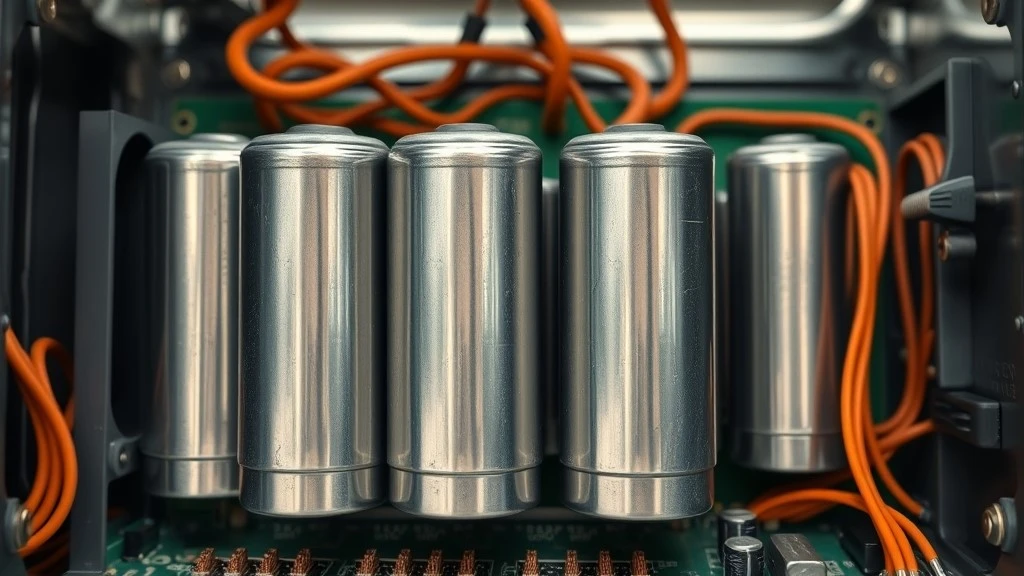
At the simplest level, capacitors inside a VFD (variable frequency drive) act as an energy buffer. They store and release electrical charge to keep the internal DC voltage smooth and stable as the motor load changes moment to moment. Without that buffer, the drive struggles to deliver clean power, and the whole system runs rougher, hotter, and less reliably. Think of it like a small reservoir sitting between an uneven water supply and a steady output pipe: the supply pulses, but the reservoir keeps the flow smooth.
The Three Capacitor Roles: DC Bus, Filter, and Snubber
Not every capacitor in a drive does the same job. Three roles show up most:
|
Type |
Location |
What It Does |
|
DC bus capacitor |
Between rectifier and inverter |
Stores energy, smooths the DC voltage, and absorbs ripple |
|
Filter capacitor |
Input or output filtering stages |
Reduces electrical noise and harmonic distortion |
|
Snubber capacitor |
Across switching devices |
Protects power semiconductors from voltage spikes during switching |
Most of the failures maintenance teams deal with trace back to the DC bus capacitor, which is the focus of this guide.
Why the DC Bus Capacitor Matters Most for Reliability
The DC bus capacitor bank is physically the largest capacitor group in most drives, and it carries the heaviest workload. It stores the most energy, absorbs the most ripple current, and sits closest to the heat generated by the rectifier and inverter stages. That combination of size, load, and heat exposure is why it ages faster than almost anything else in the drive. From here on, when this article discusses capacitor failure, replacement, or reforming, it means the DC bus capacitor unless stated otherwise.
Where Capacitors Sit in the Power Path
A Simplified AC to DC to AC Conversion Flow
A VFD converts power in three basic steps. Incoming AC power passes through a rectifier, which converts it to DC. That DC power sits on the DC bus, held steady by the capacitor bank. From there, the inverter section switches the DC back into a variable frequency AC output that drives the motor at the speed the application calls for.
AC input → Rectifier → DC bus (capacitors) → Inverter → Variable frequency AC output → Motor
The capacitor bank sits right in the middle of that chain, which is exactly why its condition affects everything downstream.
What Happens If the Capacitor Fails or Is Missing
When the DC bus capacitor degrades, the drive loses its ability to keep that middle stage steady. Voltage on the bus starts to ripple more than it should, and the inverter has to work with a less stable supply, which can show up as unstable motor speed, increased electrical noise, or protective faults tripping the drive offline. In more advanced cases, a weakened capacitor bank can no longer absorb transient spikes properly, which puts extra stress on the semiconductors downstream. This is exactly why catching the problem early matters, and it is what the diagnostic signals later in this guide are built to help you do.
Why VFD Capacitors Fail Over Time
Capacitors are wear components. Unlike a relay or a circuit board that tends to work fine until it suddenly does not, capacitors age gradually, and that aging is driven by a specific set of stresses.
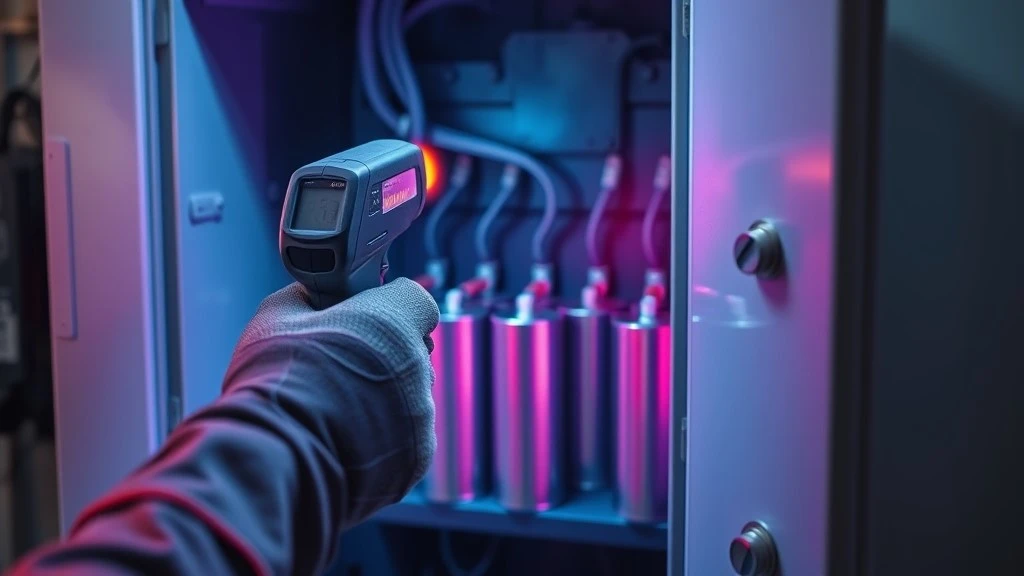
Heat, Ripple Current, and Voltage Stress
Three operating conditions do most of the damage over time.
Heat is the biggest factor. Aluminum electrolytic capacitors, the type most commonly used in VFDs, contain an internal electrolyte that slowly dries out over years of operation. Higher cabinet temperatures speed up that process significantly, which is why drives in poorly ventilated enclosures or hot production environments show capacitor problems earlier than drives in climate controlled rooms.
Ripple current is the second factor. Every time the drive switches power, the capacitor absorbs a small current ripple, which generates internal heating on top of whatever ambient heat it is already dealing with. Drives running near rated load continuously see more of this than drives that cycle lightly.
Voltage stress rounds out the list. Capacitors are rated for a specific voltage window. Line voltage spikes, poor power quality, or a drive running consistently near its upper voltage limit shorten capacitor life faster than the same drive running comfortably within spec.
The Hidden Risk of Long-Term Storage: Oxide Layer Degradation
Here is something that catches a lot of maintenance teams off guard: a VFD does not need to be running to develop capacitor problems. Aluminum electrolytic capacitors rely on a thin oxide layer inside them to function properly, and that layer is self-maintaining, but only while the capacitor is powered. Once a drive sits unpowered in a storeroom or on a shelf for an extended period, that layer can begin to degrade.
This is a common blind spot. A spare drive sitting untouched for a long time, then powered up quickly in an emergency, can fail immediately, not because it was defective, but because nobody accounted for how long it had been idle. Exactly how long that window is depends on the manufacturer, capacitor type, and storage conditions, so it is worth checking the drive's documentation rather than assuming a universal timeline. More on what to do about this in the storage section below.
Typical Lifespan Ranges by Operating Condition
There is no single number that applies across every drive and environment, and anyone who gives you one exact figure without qualification is oversimplifying. What we can say with confidence is that the operating environment matters enormously. Drives in cool, clean, well ventilated cabinets with light to moderate loading tend to sit at the favorable end of their rated life. Drives running hot, heavily loaded, or in dusty and humid environments tend to show wear sooner. Think in terms of low risk (cool, clean, lightly loaded), moderate risk (typical industrial conditions), and high risk environments (hot cabinets, continuous heavy load, poor ventilation). For any specific expectation, the manufacturer's documentation for that model is the most reliable reference.
Signs Your VFD Capacitor Is Failing
This is the part that actually matters day to day: catching the problem before it takes a machine down.
Visual Warning Signs
These are checks anyone can do during a routine inspection, with power safely discharged and locked out first.
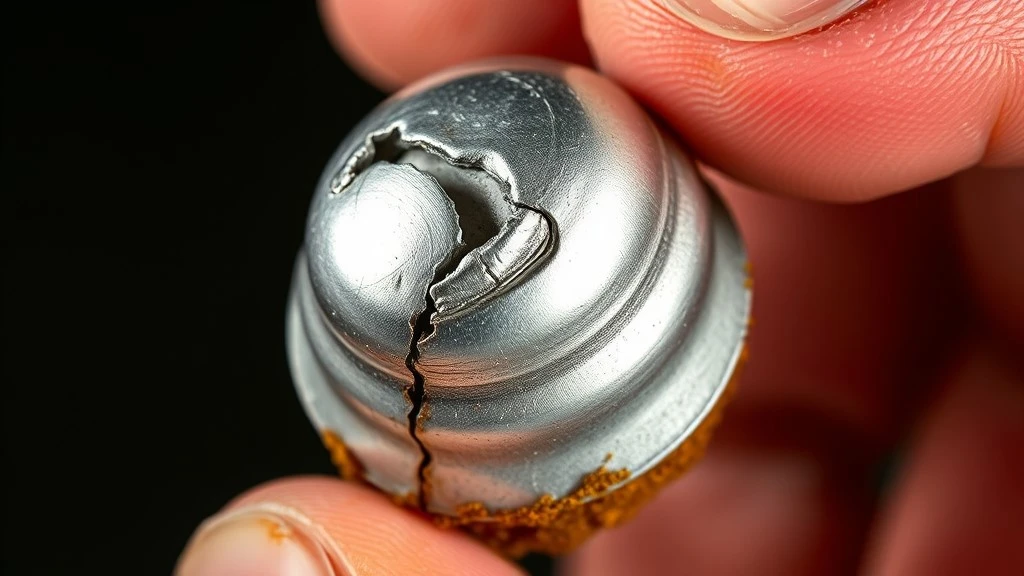
- Bulging or domed top on the capacitor case. A healthy capacitor has a flat top. Any doming means internal pressure has built up.
- Visible electrolyte leakage, often appearing as a dried crust or residue near the base of the capacitor.
- Discoloration or a burnt smell around the capacitor bank, which can indicate internal overheating.
- Corrosion on nearby terminals or PCB traces close to the capacitor.
None of these signs mean the capacitor is about to explode, but any one of them is a priority, not something to note and revisit next quarter.
Electrical and Performance Warning Signs
Some of the most useful signals show up in how the drive behaves, not just how it looks.
- Fault codes related to undervoltage, overvoltage, or DC bus ripple. These are frequently the first symptom a maintenance tech sees, often before anything is visible on inspection.
- Unstable motor speed or torque, particularly under load changes, that was not present before.
- Increased audible noise or humming from the drive cabinet.
- Faults that happen more frequently over time rather than as a one-off event.
A fault trip alone is not proof of a capacitor problem; plenty of other issues trigger the same codes. But when a bus voltage related fault shows up repeatedly, especially alongside any of the visual signs above, the capacitor bank deserves a close look. Fault code definitions also vary by brand and model, so check the specific drive's manual to confirm what a given code actually means.
When to Test with an ESR or Capacitance Meter
Visual and behavioral signs get you most of the way there, but sometimes the picture is unclear, especially early in degradation before symptoms are obvious. That is when an ESR (equivalent series resistance) meter or a capacitance meter earns its keep. Rising ESR and falling capacitance, relative to the capacitor's rated specifications, are the clearest quantitative signs of aging. This testing is particularly worth doing on older drives before a critical run, or when a fault pattern looks capacitor related but the visual inspection came back clean. If readings are ambiguous, it is worth getting a second opinion from the manufacturer or a specialized parts supplier before making a repair decision.
Capacitor Reforming and Spare Drive Storage Best Practices
This is an area that gets far less attention than it deserves, and it is where a lot of unnecessary failures happen.
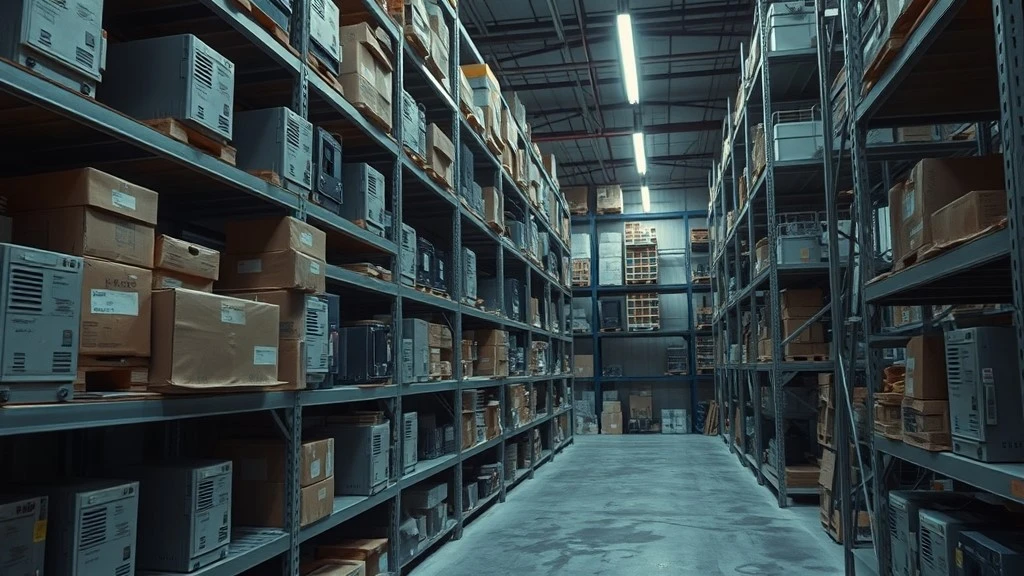
Why Spare VFDs on the Shelf Still Need Attention
It is easy to assume a spare drive sitting in storage is simply waiting, ready to go the moment it is needed. In reality, that assumption is exactly what causes trouble. A drive powered off for an extended period can develop the oxide layer degradation described earlier, and the failure often only shows up the moment someone needs the spare, powers it up quickly, and the capacitor bank fails on the spot, right in the middle of the unplanned outage the spare was supposed to solve.
General Reforming Guidelines
The underlying principle is straightforward: instead of applying full rated voltage to a long stored capacitor all at once, voltage is brought up gradually, typically using a variable transformer or a current limited DC supply, giving the internal oxide layer time to rebuild itself rather than being stressed into failure.
The specific ramp rate, duration, and equipment needed vary by drive model and by how long the unit has been sitting, so following the manufacturer's documented reforming procedure matters more than following a generic rule of thumb. If your spare parts inventory includes older or long stored drives and you are not sure whether reforming is needed for a specific model, our technical team is glad to help you work through it.
Repair, Reform, or Replace? A Decision Framework
Once you have identified a capacitor problem, the next question is what to do about it. There is no universal answer, but a clear set of questions will point you toward the right one for your situation.
When Reforming or Repair Makes Sense
Repair or reforming tends to be the more sensible path when the drive is relatively current, the fault is clearly isolated to the capacitor bank rather than spreading into other components, and the downtime involved in sourcing and swapping capacitors is manageable. If a spare drive simply needs reforming after storage, with no other faults present, that is usually a straightforward fix rather than a reason to replace the whole unit.
When Replacing the Drive Is More Cost-Effective
Replacement makes more sense once the drive is old enough that compatible capacitors are hard to find or the model has been discontinued, once faults become frequent rather than isolated, or once the real cost of downtime, including labor, lost production, and repeated troubleshooting, outweighs the price gap between a repair and a replacement unit. An older drive that keeps coming back with new issues after each fix is usually telling you something.
What to Check Before Buying a Replacement
Once you lean toward replacement, confirm these specs before ordering:
- Voltage rating that matches your incoming power and application requirements
- Power or horsepower (HP) rating appropriate for the motor being driven
- Brand and series compatibility with your existing control system and wiring
- Physical mounting dimensions and enclosure interface, so the replacement fits the existing cabinet without rework
If you are not certain about any of these details for your specific setup, our team can help confirm the right specification before you commit to an order.
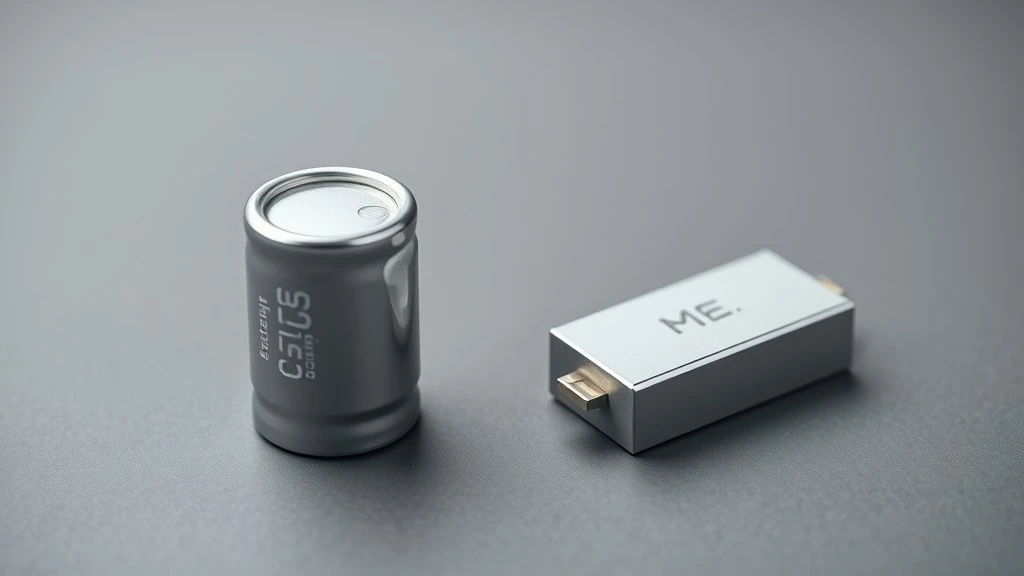
Capacitor Types Used in VFDs: Electrolytic vs. Film
Not all capacitors are built the same way, and the type used affects performance and expected service life.
|
Feature |
Aluminum Electrolytic |
Film |
|
Capacitance density |
High |
Lower for the same size |
|
Typical cost |
Lower |
Higher |
|
Lifespan |
Moderate, sensitive to heat |
Generally longer, more stable |
|
Ripple current tolerance |
Moderate |
Higher |
|
Common use case |
Standard industrial VFDs |
High demand or specialized applications |
Aluminum Electrolytic Capacitors
These are the standard choice for most industrial VFDs because they offer high capacitance in a compact, affordable package. As covered earlier, their main tradeoff is sensitivity to heat and ripple current over time, which is why they show up so often in failure discussions.
Film Capacitors
Film capacitors generally offer longer service life and better tolerance for ripple current and heat, but at higher cost and lower capacitance density for a given size. They tend to appear in higher end drives or applications where reliability requirements justify the expense. Neither type is universally better; the right choice depends on the application, and for most standard industrial VFDs, electrolytic capacitors remain the practical mainstream option.
Choosing the Right Replacement Drive or Parts
What to Look for When Sourcing a Genuine Replacement
Sourcing matters just as much as specification. A few things worth confirming with any supplier before you order:
- Traceable sourcing, so you know the part is genuine and not a mismatched substitute
- Clear warranty terms in case the replacement itself has an issue
- Actual stock availability, particularly for older or less common drive models
- Willingness to verify compatibility with your specific model before shipping
We cover our approach to sourcing and quality control in more detail on our About Us page, if you want to see how we vet the parts we supply.
Coverage Across Siemens, ABB, Mitsubishi, Schneider, Omron, and Allen-Bradley
Whichever brand your drives run on, the diagnostic and decision logic in this guide applies the same way. We carry parts and replacement drives across the major industrial brands, including Siemens VFDs and Allen-Bradley VFDs, along with ABB, Mitsubishi, Schneider, and Omron. Running Siemens equipment and want a broader foundation on drive selection and setup? Our complete guide to Siemens VFDs covers that ground. If you already know which model and specification you need, browse our full VFD catalog, or reach out and our team will confirm the right part for your drive.
FAQ

How long do VFD capacitors typically last?
What happens if a VFD capacitor fails while the drive is running?
Can I replace VFD capacitors myself?
How do I know if my VFD capacitor needs reforming?
Is it cheaper to repair a VFD or buy a replacement?
Where can I buy genuine replacement VFD parts?
Keeping Your VFDs Running Reliably
The pattern behind most capacitor failures is the same: understand what the component does, catch the early signals before they turn into a shutdown, and make a clear-eyed decision about repair versus replacement rather than letting the drive make it for you mid-shift.
Where you go from here depends on where you are right now. Still in observation mode? Watch for the visual and performance signs above, and consider an ESR check on any drive that is aging or has an unclear fault history. Already decided a replacement is the right call? Confirm the specifications in the decision framework and reach out to our team to source the right part. Sitting on a spare that has been in storage a while? Do not power it straight up. Check the manufacturer's reforming guidance first, or contact us and we will help you work through it safely before you need that spare in an emergency.


