


In the dynamic landscape of industrial automation, the question of compatibility is a crucial one. As a supplier of ABB PLC modules, I've encountered numerous inquiries from clients about whether ABB PLC modules can work in harmony with other brands of industrial equipment. This blog post aims to delve into this topic, exploring the factors that influence compatibility, real - world scenarios, and the implications for industrial operations.
Understanding Compatibility in Industrial Automation
Compatibility in the context of industrial automation refers to the ability of different components of a system to work together seamlessly. When it comes to ABB PLC modules and other brands of industrial equipment, there are several aspects to consider.
Communication Protocols
One of the primary factors determining compatibility is the communication protocol used by the devices. Industrial equipment often relies on specific communication protocols to exchange data. ABB PLC modules support a wide range of protocols, such as Modbus, Profibus, and Ethernet/IP. If other brands of industrial equipment also support these common protocols, then there is a high likelihood of compatibility.
For example, many sensors and actuators on the market are designed to communicate using Modbus. An ABB PLC module with Modbus support can easily interface with these devices, allowing for smooth data transfer and control. However, if the other equipment uses a proprietary or less - common protocol, additional configuration or the use of protocol converters may be required.
Electrical and Physical Specifications
Another critical aspect is the electrical and physical specifications of the equipment. ABB PLC modules are designed to operate within certain voltage, current, and temperature ranges. Other brands of industrial equipment must have compatible electrical characteristics to ensure safe and reliable operation.
Physically, the mounting dimensions and connection types of the modules and equipment need to match. For instance, if an ABB PLC module uses a specific type of connector, the other equipment must have a compatible connector or an adapter that can bridge the gap.
Case Studies: ABB PLC Modules and Other Brands
Let's look at some real - world examples to illustrate the compatibility of ABB PLC modules with other brands of industrial equipment.
Integration with Siemens Sensors
Siemens is a well - known brand in the industrial automation sector, especially for its sensors. In a manufacturing plant, an ABB PLC module was integrated with Siemens temperature sensors. Both the ABB PLC and the Siemens sensors supported the Modbus protocol. The integration process was relatively straightforward, with the ABB PLC being able to read the temperature data from the Siemens sensors accurately. This allowed the plant to monitor and control the temperature in various production processes effectively.
Working with Allen - Bradley Actuators
Allen - Bradley is another major player in the industrial equipment market. In a packaging line, an ABB PLC module was used to control Allen - Bradley actuators. The actuators supported Ethernet/IP, which is also supported by the ABB PLC. The ABB PLC was able to send control signals to the actuators, enabling precise movement and operation of the packaging machinery.
Advantages of Using ABB PLC Modules with Other Brands
Flexibility in System Design
One of the significant advantages of using ABB PLC modules in combination with other brands of industrial equipment is the flexibility it offers in system design. Industrial facilities can choose the best - suited equipment from different manufacturers based on their specific requirements. For example, a plant may select a high - precision sensor from one brand and an efficient actuator from another, and then use an ABB PLC module to integrate and control them.
This flexibility allows for the creation of customized automation systems that can optimize production processes and improve overall efficiency.
Cost - Effectiveness
By being able to use ABB PLC modules with other brands of equipment, companies can potentially save costs. Instead of replacing all existing equipment with ABB products, they can upgrade or expand their systems by integrating ABB PLC modules with the existing infrastructure. This approach reduces the need for large - scale capital investment and minimizes downtime during the upgrade process.
Challenges and Solutions
Compatibility Issues
Despite the potential for compatibility, there can be challenges when integrating ABB PLC modules with other brands of industrial equipment. As mentioned earlier, proprietary protocols can be a major hurdle. In such cases, protocol converters can be used to translate the data between different protocols.
Another challenge is the difference in software and programming interfaces. ABB PLC modules have their own programming environment, and other brands of equipment may have different software requirements. Training and support may be needed to ensure that operators can effectively program and manage the integrated system.
Solutions
To overcome these challenges, ABB provides comprehensive technical support. Their team of experts can assist in the configuration and integration process, helping to resolve any compatibility issues. Additionally, there are third - party software and hardware solutions available in the market that can simplify the integration of different brands of industrial equipment.
ABB PLC Modules in the Market
ABB offers a wide range of PLC modules to meet the diverse needs of industrial applications. For example, the ABB DX571 1TNE968902R2302 is a high - performance module that can be used in various control systems. It supports multiple communication protocols and has excellent electrical and physical characteristics, making it a good candidate for integration with other brands of equipment.
The ABB 1SAP231300R0000 Digital Output Module is another popular choice. It provides reliable digital output control and can be easily integrated with other devices that support common communication protocols.
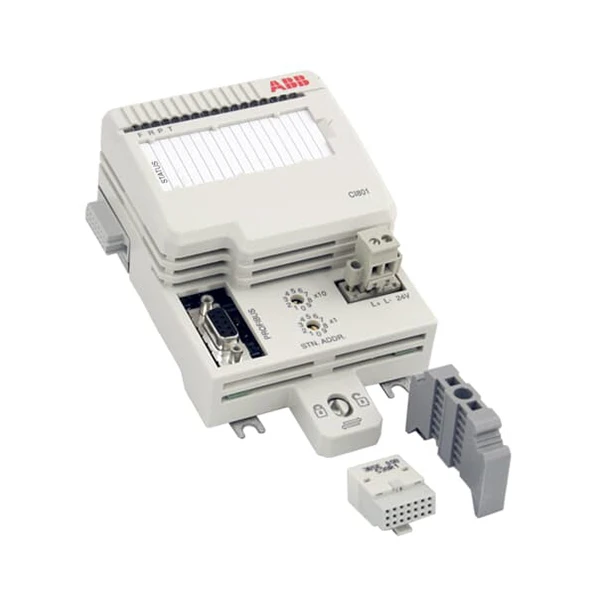
The ABB CI801 3BSE022366R1 is known for its high - speed data processing capabilities, which is beneficial when working with real - time control systems.

Conclusion and Call to Action
In conclusion, ABB PLC modules can be compatible with other brands of industrial equipment in many cases. By considering factors such as communication protocols, electrical and physical specifications, and leveraging the support and solutions available, companies can create efficient and customized industrial automation systems.
If you are interested in exploring the possibilities of using ABB PLC modules in your industrial setup, whether it's for a new project or an upgrade of an existing system, I encourage you to reach out. Our team of experts is ready to assist you in finding the right ABB PLC modules and ensuring seamless integration with your other industrial equipment. Contact us to start the procurement and integration process today.
References
- "Industrial Automation Handbook", John Wiley & Sons
- ABB PLC product documentation
- Technical papers on industrial communication protocols


