


The chemical industry is a highly complex and demanding sector, where precision, reliability, and safety are of utmost importance. Programmable Logic Controllers (PLCs) play a crucial role in automating various processes in this industry. As a Siemens PLC module supplier, I often get asked whether Siemens PLC modules can be used in the chemical industry. In this blog post, I will explore this question in detail and shed light on the suitability of Siemens PLC modules for chemical applications.
Why the Chemical Industry Needs PLCs
The chemical industry involves a wide range of processes, including mixing, heating, cooling, distillation, and chemical reactions. These processes need to be carefully controlled to ensure product quality, safety, and efficiency. PLCs provide a flexible and reliable solution for automating these processes. They can monitor various parameters such as temperature, pressure, flow rate, and level, and make real - time adjustments to control valves, pumps, and other equipment.
Siemens PLC Modules: An Overview
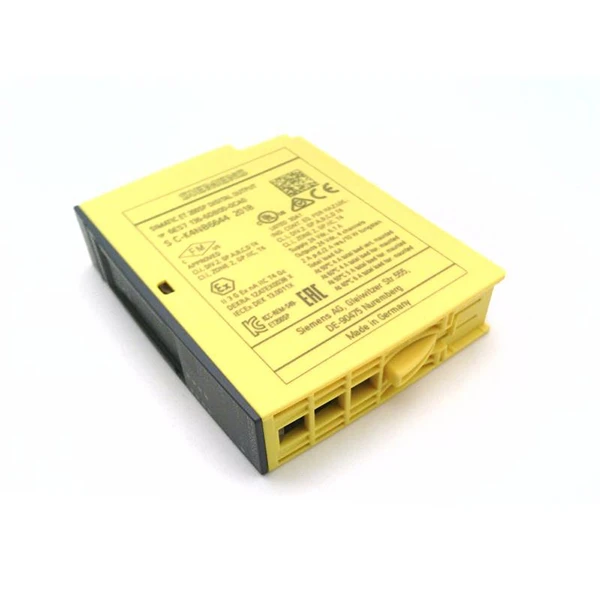
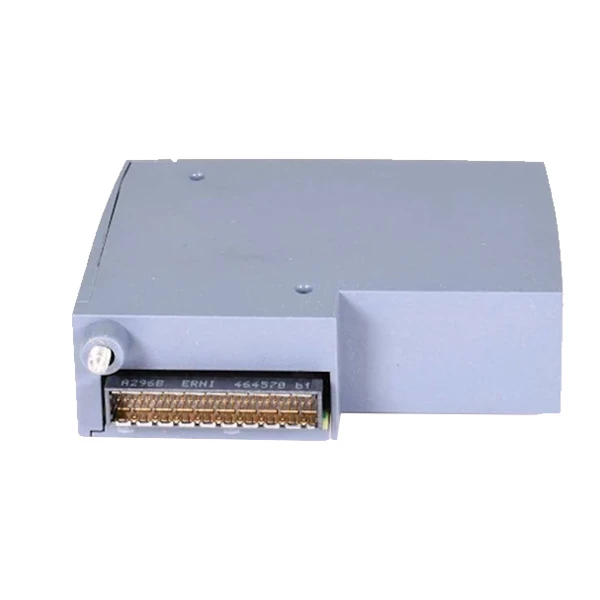
Siemens is a globally recognized leader in industrial automation, and its PLC modules are known for their high - quality, advanced features, and durability. Siemens offers a wide range of PLC modules, including the SIMATIC S7 DP Electronic Module, SIMATIC ET200SP, and SIMATIC ET 200SP Base Unit. These modules are designed to meet the diverse needs of different industries, including the chemical industry.
Suitability of Siemens PLC Modules for the Chemical Industry
1. Reliability
In the chemical industry, any downtime can lead to significant losses, both in terms of production and safety. Siemens PLC modules are built with high - quality components and undergo rigorous testing to ensure reliable operation. They are designed to withstand harsh environmental conditions, such as high temperatures, humidity, and chemical exposure. For example, the SIMATIC ET200SP has a robust housing that provides protection against dust and water, making it suitable for use in chemical plants where the environment can be challenging.
2. Precision Control
Chemical processes often require precise control of parameters to ensure the quality of the final product. Siemens PLC modules offer high - precision analog and digital input/output capabilities. They can accurately measure and control variables such as temperature, pressure, and flow rate. The SIMATIC S7 DP Electronic Module, for instance, has high - resolution analog inputs that can provide accurate data for process control algorithms. This precision is essential in chemical reactions where even small variations in parameters can affect the outcome.
3. Safety Features
Safety is a top priority in the chemical industry. Siemens PLC modules are equipped with a variety of safety features to protect personnel and equipment. They support safety - related functions such as emergency stop, safe shutdown, and fault diagnosis. For example, the SIMATIC ET 200SP Base Unit can be integrated with safety modules to create a safety - oriented control system. This helps in preventing accidents and ensuring compliance with safety regulations.
4. Flexibility and Scalability
The chemical industry is constantly evolving, and production processes may need to be modified or expanded over time. Siemens PLC modules offer great flexibility and scalability. They can be easily integrated with other automation components, such as sensors, actuators, and human - machine interfaces (HMIs). Additionally, it is possible to add or remove modules as per the changing requirements of the process. This allows chemical plants to adapt to new production demands without having to replace the entire control system.
5. Communication Capabilities
Effective communication is crucial in a chemical plant, where different processes and equipment need to be coordinated. Siemens PLC modules support a wide range of communication protocols, such as Profibus, Profinet, and Ethernet. This enables seamless integration with other devices and systems in the plant. For example, the SIMATIC S7 DP Electronic Module can communicate with other modules and controllers over the Profibus network, facilitating efficient data exchange and process control.
Case Studies
To further illustrate the suitability of Siemens PLC modules in the chemical industry, let's look at a few case studies.
In a large chemical manufacturing plant, Siemens PLC modules were used to automate the distillation process. The SIMATIC ET200SP was installed to monitor and control the temperature, pressure, and flow rate of the distillation columns. The high - precision analog inputs of the module provided accurate data, allowing the control system to make real - time adjustments. As a result, the plant was able to improve the quality of the distilled products and increase the efficiency of the process.
Another chemical plant used the SIMATIC S7 DP Electronic Module to automate a chemical reaction process. The module's communication capabilities enabled it to interface with other equipment in the plant, such as reactors, pumps, and valves. The safety features of the module ensured that the reaction process was carried out safely, reducing the risk of accidents.
Challenges and Considerations
While Siemens PLC modules offer many advantages in the chemical industry, there are also some challenges and considerations.
1. Chemical Compatibility
Although Siemens PLC modules are designed to withstand harsh environments, some chemicals may still have a corrosive effect on the components. It is important to ensure that the modules are properly protected and that the materials used in their construction are chemically compatible with the substances present in the plant.
2. Training and Maintenance
Operating and maintaining Siemens PLC modules requires specialized knowledge and skills. Chemical plant operators need to be trained on how to use and troubleshoot these modules. Additionally, regular maintenance is required to ensure the long - term reliability of the control system.
3. Cost
Siemens PLC modules are high - quality products, and they may come with a relatively higher cost compared to some other brands. However, the long - term benefits in terms of reliability, precision, and safety often justify the investment.
Conclusion
In conclusion, Siemens PLC modules are highly suitable for use in the chemical industry. Their reliability, precision control, safety features, flexibility, and communication capabilities make them an ideal choice for automating chemical processes. While there are some challenges and considerations, such as chemical compatibility, training, and cost, the advantages far outweigh the drawbacks.
If you are in the chemical industry and looking for a reliable and efficient PLC solution, I encourage you to consider Siemens PLC modules. As a Siemens PLC module supplier, I can provide you with detailed information about the products, help you choose the right modules for your specific needs, and offer support throughout the installation and operation process. Contact me to start a discussion about your procurement requirements and explore how Siemens PLC modules can enhance the efficiency and safety of your chemical processes.
References
- Siemens Industrial Automation Handbook
- Case studies from chemical plants using Siemens PLC modules
- Technical documentation of SIMATIC S7 DP Electronic Module, SIMATIC ET200SP, and SIMATIC ET 200SP Base Unit


