


Can Mitsubishi HMI be used in hazardous environments?
Hey there! I'm a supplier of Mitsubishi HMIs, and I often get asked if these devices can be used in hazardous environments. Well, let's dig into this topic and find out.

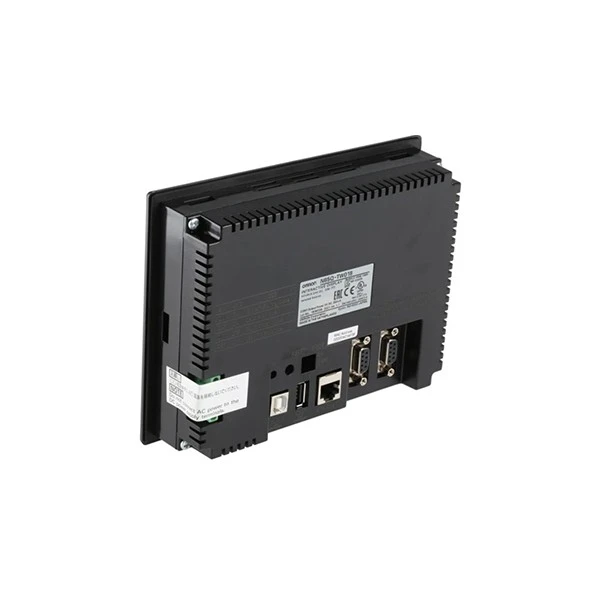
First off, let's understand what we mean by hazardous environments. These are places where there are potential risks like flammable gases, dust, or explosive substances. Industries such as oil and gas, chemical manufacturing, and mining often have these kinds of environments.
Mitsubishi HMIs are known for their high - quality and reliability. But can they stand up to the challenges of hazardous areas?
One of the key factors to consider is the protection rating. Mitsubishi offers HMIs with different protection ratings. For example, some models are designed to be dust - proof and water - resistant. This is crucial in environments where dust or moisture can cause damage to the device.
Let's take a look at some specific models. The Mitsubishi GT2710 - STBA GOT2000 is a great option. It has a robust design that can handle a certain level of harsh conditions. It's built with features that help it resist environmental factors. The display is clear and easy to read, even in less - than - ideal lighting conditions, which is important in many industrial settings.
Another model, the Mitsubishi GT1050 - QBBD - C, is also a popular choice. It's compact and offers a user - friendly interface. In hazardous environments, ease of use is essential as operators may be wearing protective gear, and a simple interface can make a big difference.
The Mitsubishi GT1275 - VNBA is yet another option. It comes with advanced features and a large display. This can be very useful in monitoring complex processes in hazardous areas.
However, just having a well - built HMI isn't enough. In truly hazardous environments, additional safety measures are needed. Mitsubishi HMIs can be used in combination with explosion - proof enclosures. These enclosures are designed to prevent any internal sparks or heat from igniting the surrounding hazardous substances.
Also, proper installation and maintenance are crucial. The HMIs need to be installed according to the manufacturer's guidelines to ensure their safety and performance. Regular maintenance checks can help detect any potential issues early on.
In some cases, Mitsubishi HMIs can be customized to meet the specific requirements of a hazardous environment. For example, they can be equipped with special sensors or communication interfaces to better integrate with other safety systems in the area.
Now, let's talk about the benefits of using Mitsubishi HMIs in hazardous environments. Firstly, they provide real - time monitoring. This allows operators to keep an eye on critical processes and make quick decisions if something goes wrong. Secondly, they improve the efficiency of operations. With a clear and intuitive interface, operators can perform tasks more quickly and accurately.
But it's important to note that not all Mitsubishi HMIs are suitable for every hazardous environment. You need to carefully assess the specific risks and requirements of your site. If you're dealing with extremely high - risk areas, you may need to consult with a safety expert to determine the best solution.
If you're in an industry that has hazardous environments and you're considering using Mitsubishi HMIs, I'd be more than happy to help. I can provide you with detailed information about the models, their features, and how they can be adapted to your specific needs. Whether you're looking for a small, compact HMI or a large, high - end model, I've got you covered.
Don't hesitate to reach out if you have any questions or if you're interested in starting a procurement process. I'm here to make sure you get the right Mitsubishi HMI for your hazardous environment.
References:
- Mitsubishi Electric official product documentation
- Industry standards for hazardous environment equipment


