


As a dedicated supplier of Schneider HMI products, I've received numerous inquiries regarding the compatibility and applicability of Schneider HMIs in solar power systems. In this blog post, I'll delve into the technical aspects, benefits, and practical considerations of using Schneider HMIs in solar power setups.
Understanding Solar Power Systems
Solar power systems are complex networks that convert sunlight into electricity. They typically consist of solar panels, inverters, charge controllers, batteries (in off - grid or hybrid systems), and monitoring equipment. The efficiency and reliability of these systems depend on the seamless operation of each component and the ability to monitor and control various parameters.

The key parameters in a solar power system include solar irradiance, panel temperature, DC voltage and current from the panels, AC output from the inverter, battery state - of - charge (SOC), and power consumption. Effective monitoring and control of these parameters are crucial for optimizing energy production, ensuring system safety, and preventing equipment damage.
Features of Schneider HMIs
Schneider Electric offers a wide range of Human - Machine Interfaces (HMIs) that are designed to meet the diverse needs of industrial and commercial applications. These HMIs come with several features that make them suitable for solar power systems:
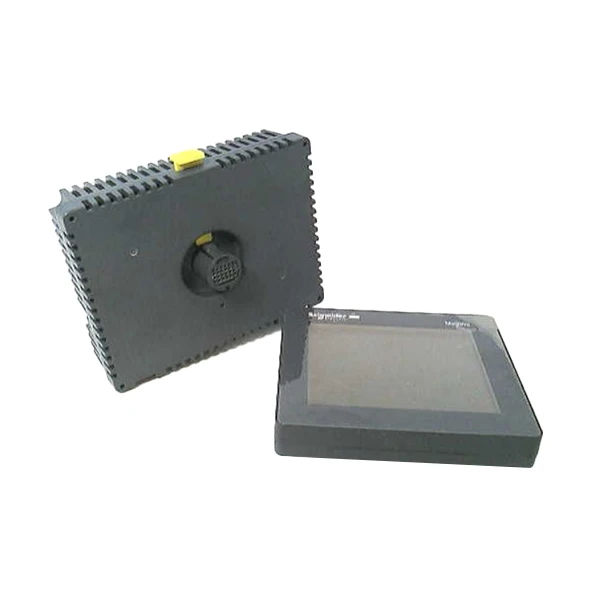
- High - Resolution Displays: Schneider HMIs, such as the Schneider Electric HMI GTO 5310, are equipped with high - resolution displays that can present complex data in a clear and intuitive manner. This allows operators to easily monitor multiple parameters simultaneously, such as real - time power generation, battery status, and system efficiency.
- Flexible Connectivity: They support a variety of communication protocols, including Modbus, Ethernet, and CANopen. This flexibility enables seamless integration with other components in the solar power system, such as inverters, charge controllers, and sensors. For example, the HMI can communicate with the inverter to adjust its operation based on the available solar energy and the load requirements.
- Customizable Interface: Schneider HMIs offer a high degree of customization. Users can design their own graphical user interfaces (GUIs) to display the information that is most relevant to their solar power system. This includes creating custom dashboards, trend charts, and alarms. The HMISTU855 Schneider Electric allows for easy drag - and - drop configuration, making it accessible even to non - technical users.
- Robust Design: Solar power systems are often installed in harsh environments, such as rooftops or remote locations. Schneider HMIs are built to withstand extreme temperatures, humidity, and vibration. The Schneider Electric Hmistu655 Touch Panel has a rugged enclosure that protects it from dust and water, ensuring reliable operation in challenging conditions.
Benefits of Using Schneider HMIs in Solar Power Systems
- Enhanced Monitoring and Control: With a Schneider HMI, operators can have real - time access to all the critical parameters of the solar power system. They can monitor the performance of individual solar panels, detect any faults or malfunctions, and take corrective actions immediately. For example, if a panel is underperforming, the HMI can alert the operator, who can then investigate and resolve the issue.
- Optimized Energy Management: By analyzing the data collected from the solar power system, the HMI can help optimize energy consumption and production. It can adjust the operation of the inverter to maximize power output based on the available sunlight and the load demand. This leads to increased energy efficiency and cost savings.
- Improved System Reliability: Schneider HMIs can be programmed to send alarms in case of abnormal conditions, such as overvoltage, overcurrent, or low battery SOC. This early warning system helps prevent equipment damage and ensures the continuous operation of the solar power system.
- Remote Access and Management: Many Schneider HMIs support remote access, allowing operators to monitor and control the solar power system from anywhere using a smartphone, tablet, or computer. This is particularly useful for large - scale solar farms or remote installations, where on - site monitoring may not be practical.
Practical Considerations
When integrating a Schneider HMI into a solar power system, there are several practical considerations to keep in mind:
- System Compatibility: Ensure that the HMI is compatible with the other components in the solar power system, such as the inverter, charge controller, and sensors. Check the communication protocols supported by each device and make sure they can communicate effectively.
- Installation and Configuration: Proper installation and configuration of the HMI are essential for its optimal performance. Follow the manufacturer's guidelines for mounting, wiring, and programming. It may be necessary to hire a professional installer or technician to ensure a correct installation.
- Training and Support: Operators should be trained on how to use the HMI effectively. Schneider Electric provides training resources and technical support to help users get the most out of their HMIs. Make sure to take advantage of these resources to ensure smooth operation of the solar power system.
Case Studies
Let's take a look at some real - world examples of how Schneider HMIs have been used in solar power systems:
- Residential Solar Installation: A homeowner installed a solar power system with a Schneider HMI to monitor and control the energy production and consumption. The HMI allowed the homeowner to view the real - time power generation, battery SOC, and energy usage. By analyzing the data, the homeowner was able to adjust their energy consumption patterns to maximize the use of solar energy, resulting in significant cost savings on their electricity bill.
- Commercial Solar Farm: A large - scale commercial solar farm integrated Schneider HMIs into its monitoring and control system. The HMIs provided real - time data on the performance of each solar panel array, inverter, and battery bank. This allowed the farm operators to quickly identify and resolve any issues, ensuring high - efficiency operation of the entire solar farm.
Conclusion
In conclusion, Schneider HMIs can be effectively used in solar power systems. Their high - resolution displays, flexible connectivity, customizable interfaces, and robust design make them well - suited for monitoring and controlling the complex parameters of solar power systems. The benefits of using Schneider HMIs, such as enhanced monitoring and control, optimized energy management, improved system reliability, and remote access, make them a valuable addition to any solar power installation.
If you're considering integrating a Schneider HMI into your solar power system, or if you have any questions about our products, I encourage you to reach out. Our team of experts is ready to assist you in selecting the right HMI for your specific needs and ensuring a successful installation. Contact us to start a procurement discussion and take your solar power system to the next level.
References
- Schneider Electric product manuals and technical documentation
- Industry reports on solar power system monitoring and control
- Case studies from solar power installations using Schneider HMIs


