


As a supplier of Schneider Variable Frequency Drives (VFDs), I've been frequently asked whether these drives can be effectively used in textile machinery. This question is not only crucial for textile manufacturers looking to upgrade or optimize their equipment but also for those in the industry aiming to enhance efficiency and productivity. In this blog, I'll delve into the technical aspects, benefits, and real - world applications to provide a comprehensive answer.
Technical Compatibility of Schneider VFDs with Textile Machinery
Textile machinery encompasses a wide range of equipment, from spinning machines to looms and finishing machines. Each type of machine has unique requirements in terms of speed control, torque regulation, and precision. Schneider VFDs are designed with advanced control algorithms and high - performance components that can meet these diverse needs.
One of the key features of Schneider VFDs is their ability to provide precise speed control. For example, in spinning machines, the speed of the spindles needs to be accurately regulated to ensure consistent yarn quality. The ATV310HU22N4E Schneider Electric offers a wide speed range and excellent speed accuracy, which is essential for the spinning process. It can adjust the motor speed smoothly, reducing the risk of yarn breakage and improving overall production efficiency.
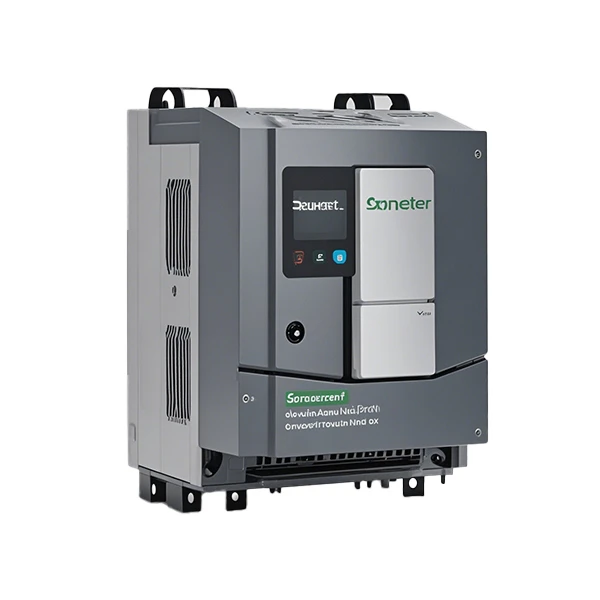

Torque control is another critical aspect in textile machinery. Looms, for instance, require high starting torque to initiate the weaving process and stable torque during operation to maintain the fabric's tension. Schneider VFDs, such as the Schneider ATV930C16N4, are equipped with advanced torque control algorithms that can provide the necessary torque at different stages of the operation. This ensures that the fabric is woven evenly and without defects.
Benefits of Using Schneider VFDs in Textile Machinery
Energy Efficiency
Energy consumption is a significant cost factor in textile manufacturing. Schneider VFDs are designed to optimize energy usage by adjusting the motor speed according to the actual load requirements. For example, when a textile machine is operating at a lower production rate, the VFD can reduce the motor speed, thereby consuming less energy. This not only reduces the electricity bill but also contributes to a more sustainable manufacturing process.
Improved Product Quality
The precise control capabilities of Schneider VFDs directly translate into improved product quality. By ensuring consistent speed and torque, these drives can minimize variations in the textile products. In dyeing and finishing machines, for example, accurate speed control can prevent uneven dyeing and ensure uniform color distribution. This results in higher - quality textiles that meet the strict standards of the market.
Reduced Maintenance Costs
Schneider VFDs are built with high - quality components and advanced protection features. They can protect the motor from over - current, over - voltage, and other electrical faults, reducing the risk of motor damage. Additionally, the smooth start - stop function of the VFDs reduces mechanical stress on the machine, extending the lifespan of the equipment and reducing maintenance costs.
Real - World Applications of Schneider VFDs in Textile Machinery
Spinning Mills
In spinning mills, Schneider VFDs are widely used in ring spinning frames, rotor spinning machines, and draw - frame machines. The ATV310HU22N4E Schneider Electric has been successfully applied in many spinning mills, providing precise speed control for the spindles. This has led to improved yarn quality, higher production rates, and reduced energy consumption.
Weaving Factories
Weaving factories rely on looms to produce fabrics. Schneider VFDs, such as the Schneider ATV930C16N4, are used to control the speed and torque of the loom motors. This ensures smooth operation, reduces the occurrence of fabric defects, and increases the overall productivity of the weaving process.
Dyeing and Finishing Plants
In dyeing and finishing plants, Schneider VFDs are used in various machines, including dyeing machines, drying machines, and calendering machines. The Schneider Xw Pro 6848 can provide accurate speed control for these machines, ensuring uniform dyeing and finishing results.
Challenges and Solutions
While Schneider VFDs offer many benefits for textile machinery, there are also some challenges that need to be addressed. One of the main challenges is the electromagnetic interference (EMI) generated by the VFDs. EMI can affect the performance of other electronic devices in the textile factory. To overcome this issue, Schneider VFDs are equipped with EMI filters that can reduce the interference to an acceptable level.
Another challenge is the compatibility with existing textile machinery. Some older machines may not be designed to work with VFDs. In such cases, our technical support team can provide customized solutions, including motor upgrades and control system modifications, to ensure seamless integration of the Schneider VFDs with the existing equipment.
Conclusion
In conclusion, Schneider VFDs can be effectively used in textile machinery. Their technical capabilities, such as precise speed and torque control, combined with the benefits of energy efficiency, improved product quality, and reduced maintenance costs, make them an ideal choice for textile manufacturers. Real - world applications have demonstrated their effectiveness in various textile processes, from spinning to finishing.
If you are a textile manufacturer looking to upgrade your machinery or improve your production efficiency, Schneider VFDs are a reliable solution. We invite you to contact us for more information and to discuss your specific requirements. Our team of experts will be happy to assist you in selecting the most suitable VFD for your textile machinery and providing comprehensive support throughout the installation and operation process.
References
- Schneider Electric Technical Documentation
- Industry reports on textile machinery and variable frequency drives
- Case studies of Schneider VFD applications in textile factories


