


Can Siemens HMI be recycled?
As a supplier of Siemens HMI (Human - Machine Interface) products, I often encounter various questions from customers. One question that has been coming up more frequently lately is whether Siemens HMI can be recycled. In this blog post, I'll delve into this topic in detail, exploring the recycling potential of Siemens HMI devices, the processes involved, and the benefits of recycling.
The Composition of Siemens HMI
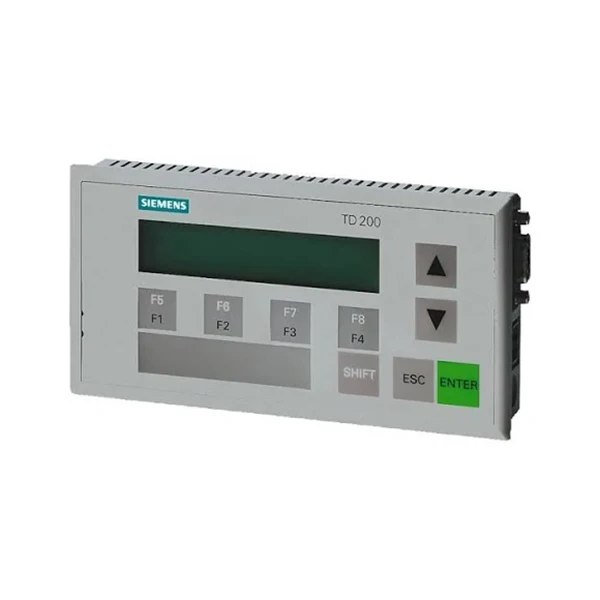
Siemens HMI devices come in a wide range of models, such as the Siemens SIMATIC HMI TD 200, SIMATIC HMI KTP700 Mobile, and SIMATIC HMI Smart 700 IE V4. These HMIs are complex electronic devices composed of multiple components.
The main parts typically include a display screen, which could be an LCD or TFT panel. These screens contain various chemical substances, such as liquid crystals and backlighting components that often use mercury - based lamps in older models. The housing is usually made of plastic, which can be either ABS (Acrylonitrile Butadiene Styrene) or polycarbonate. Inside, there are printed circuit boards (PCBs) that house microprocessors, memory chips, resistors, capacitors, and other electronic components. These PCBs are made of fiberglass and copper, with precious metals like gold, silver, and palladium used in the plating of connectors and components.
Recycling Possibilities
Plastic Recycling
The plastic housing of Siemens HMIs can be recycled. The recycling process for plastic starts with sorting. Since different types of plastics have different melting points and properties, they need to be separated accurately. Once sorted, the plastic is shredded into small pieces. These pieces are then washed to remove any dirt, grease, or other contaminants. After washing, the plastic is melted and re - extruded into pellets. These pellets can be used to manufacture new plastic products, such as new HMI housings, consumer electronics casings, or even automotive parts.
Metal Recycling
The metals in Siemens HMIs, especially those on the PCBs, offer significant recycling value. The first step in metal recycling is the removal of components from the PCBs. This can be done manually or through automated processes. Once the components are removed, the PCBs are crushed into a fine powder. Through a series of chemical and physical processes, the different metals can be separated. For example, the copper can be recovered through electrolysis, while the precious metals can be extracted using chemical solvents. The recovered metals can then be reused in the manufacturing of new electronic devices, jewelry, or other metal - based products.
Glass Recycling
The display screens in HMIs contain glass. The glass can be recycled by crushing it into cullet. This cullet can be used as a raw material in the production of new glass products. However, the presence of other substances in the display glass, such as liquid crystals and coatings, makes the recycling process more complex. Specialized recycling facilities are required to separate these substances and ensure the purity of the recycled glass.
The Recycling Process
Collection
As a Siemens HMI supplier, I understand the importance of proper collection. We can play a crucial role in the recycling process by collecting end - of - life HMIs from our customers. We can set up a collection system where customers can return their old or damaged HMIs to us. This not only helps in ensuring that the devices are recycled properly but also builds a good relationship with our customers.
Transportation
Once the HMIs are collected, they need to be transported to a recycling facility. During transportation, it is essential to ensure that the devices are handled carefully to prevent any further damage or leakage of hazardous substances. Specialized carriers that are equipped to handle electronic waste should be used.
Recycling at the Facility
At the recycling facility, the HMIs go through a series of processes as described above. The facility needs to be equipped with the necessary technology and expertise to handle the different components of the HMIs. Quality control is also crucial at this stage to ensure that the recycled materials meet the required standards.
Benefits of Recycling Siemens HMI
Environmental Benefits
Recycling Siemens HMIs helps in reducing the amount of electronic waste that ends up in landfills. Electronic waste in landfills can release harmful substances into the environment. For example, the mercury in old display backlights can seep into the soil and groundwater, posing a threat to human health and the ecosystem. By recycling, we can prevent these substances from polluting the environment.
Economic Benefits
Recycling also offers economic benefits. The recovery of precious metals and other valuable materials from HMIs can generate revenue. The recycled materials can be sold to manufacturers at a lower cost compared to virgin materials, which can reduce the production cost of new products. Additionally, the recycling industry creates jobs in collection, transportation, and recycling operations.
Social Benefits
From a social perspective, recycling Siemens HMIs promotes a more sustainable and responsible approach to consumption. It raises awareness among consumers about the importance of proper disposal of electronic waste. It also encourages the development of a circular economy, where resources are reused and recycled instead of being discarded after a single use.
Challenges in Recycling Siemens HMI
Despite the clear benefits of recycling Siemens HMIs, there are several challenges. One of the main challenges is the complexity of the devices. The different components are often tightly integrated, making it difficult to separate them. Additionally, the presence of hazardous substances requires specialized handling and disposal methods, which can increase the cost of recycling.

Another challenge is the lack of awareness among consumers. Many customers may not be aware of the recycling options available for their Siemens HMIs. As a supplier, we need to educate our customers about the importance of recycling and provide them with clear instructions on how to return their old devices.
Conclusion
In conclusion, Siemens HMI can definitely be recycled. The various components of these devices, including plastic, metal, and glass, can be recovered and reused. Recycling offers environmental, economic, and social benefits. However, there are challenges that need to be addressed, such as the complexity of the devices and the lack of consumer awareness.
As a Siemens HMI supplier, I am committed to promoting the recycling of our products. We are working on improving our collection system and educating our customers about the importance of recycling. If you are interested in purchasing Siemens HMI products or have any questions about recycling your old HMIs, please feel free to contact us for further discussions and potential procurement opportunities.
References
- Electronics Recycling Handbook
- Research papers on electronic waste management
- Siemens official documentation on product composition and end - of - life management


